THE ADVENTURE COLLECTIVE® · Independent discovery and booking for outdoor travel

Ride a buggy to San Gervasio’s ancient stones, then swap tracks for fins at Playa Uvas—snorkeling a shallow stretch of the Mesoamerican Reef followed by tacos and beach-club comforts.
Ride a buggy to San Gervasio’s ancient stones, then swap tracks for fins at Playa Uvas—snorkeling a shallow stretch of the Mesoamerican Reef followed by tacos and beach-club comforts.
The engine rumbles, sand kicks up behind the buggy and the Caribbean flashes beyond palms as you head inland from San Miguel de Cozumel toward the low, stony rise that hides San Gervasio. You step from the vehicle into a bright, warm clearing where weathered limestone platforms and short stucco walls speak of a once-bustling island pilgrimage center.
Verified experiences and guided adventures in the surrounding area.
Operated by Playa Uvas · San Miguel de Cozumel, Quintana Roo
The engine rumbles, sand kicks up behind the buggy and the Caribbean flashes beyond palms as you head inland from San Miguel de Cozumel toward the low, stony rise that hides San Gervasio. You step from the vehicle into a bright, warm clearing where weathered limestone platforms and short stucco walls speak of a once-bustling island pilgrimage center.
San Gervasio was a ceremonial site for island Maya, dedicated to Ixchel, the moon and fertility goddess. The geology here is porous limestone—cavernous beneath the thin soil—and that geology shaped Maya settlement patterns and the freshwater aguadas they relied on. Cultural layers are visible in carved stone and the compact village layout; guides often point out stelae fragments and domestic foundations while explaining local traditions and colonial-era contacts.
After the ruins the route bends toward the coast; the reef awakes the senses—clear water, sharp coral, and fish that dart like living confetti. Playa Uvas sits against the Mesoamerican Barrier Reef, the second-largest reef system on Earth, where shallow coral gardens make for forgiving snorkeling for novices and rewarding encounters for practiced mask-and-fin users.
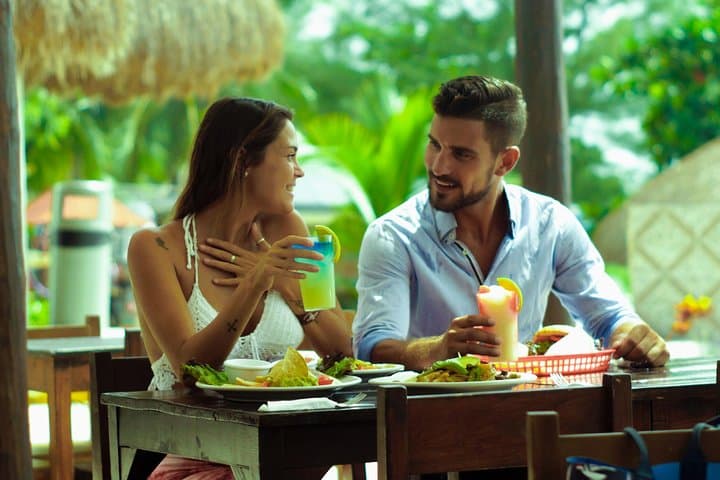
Practical notes: the full excursion runs about 5–6 hours and includes bottled water, beach-club access, and lunch. Bring reef-safe sunscreen, a mask (or plan to rent), cash for the San Gervasio park fee, and a valid driver’s license if you plan to pilot a buggy. Expect sandy tracks, short walks at archaeological points, and surface snorkeling—no deep technical dives. Time your visit for morning light at the ruins and calmer seas in the late morning for the best photos and visibility.
moderate.
5–6 hours.
Moderate fitness—able to walk short uneven trails and swim/snorkel for 30–60 minutes.
No; the archaeological site fee (around $17 USD) is often not included—bring cash to pay on arrival.
No advanced skills are required; basic comfort in the water and the ability to swim short distances are sufficient for the shallow reef snorkel.
Yes, but drivers must be at least 18 with a valid driver’s license—guides give a safety briefing and set route rules.
Most beach clubs at Playa Uvas provide basic facilities and space to rinse off; check with the operator for locker availability.
San Gervasio served as a pilgrimage center on Cozumel where Maya from the region visited shrines to the goddess Ixchel; structures date to the Late Classic period and reflect island ceremonial life.
The Mesoamerican Reef faces coral bleaching and tourism pressure—use reef-safe sunscreen, avoid touching coral, and follow operator briefings to reduce impact.
Playa Uvas operates guided outdoor trips and adventures with an emphasis on safety, stewardship, and memorable experiences.
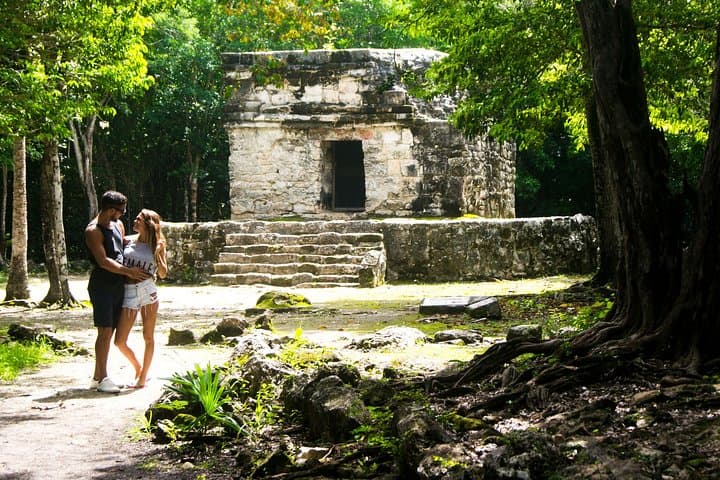
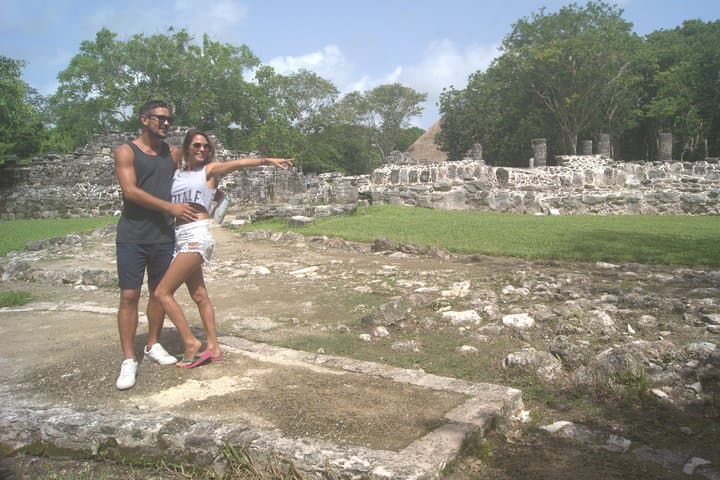
The engine rumbles, sand kicks up behind the buggy and the Caribbean flashes beyond palms as you head inland from San Miguel de Cozumel toward the low, stony rise that hides San Gervasio. You step from the vehicle into a bright, warm clearing where weathered limestone platforms and short stucco walls speak of a once-bustling island pilgrimage center.
The engine rumbles, sand kicks up behind the buggy and the Caribbean flashes beyond palms as you head inland from San Miguel de Cozumel toward the low, stony rise that hides San Gervasio. You step from the vehicle into a bright, warm clearing where weathered limestone platforms and short stucco walls speak of a once-bustling island pilgrimage center.
San Gervasio was a ceremonial site for island Maya, dedicated to Ixchel, the moon and fertility goddess. The geology here is porous limestone—cavernous beneath the thin soil—and that geology shaped Maya settlement patterns and the freshwater aguadas they relied on. Cultural layers are visible in carved stone and the compact village layout; guides often point out stelae fragments and domestic foundations while explaining local traditions and colonial-era contacts.
After the ruins the route bends toward the coast; the reef awakes the senses—clear water, sharp coral, and fish that dart like living confetti. Playa Uvas sits against the Mesoamerican Barrier Reef, the second-largest reef system on Earth, where shallow coral gardens make for forgiving snorkeling for novices and rewarding encounters for practiced mask-and-fin users.
Practical notes: the full excursion runs about 5–6 hours and includes bottled water, beach-club access, and lunch. Bring reef-safe sunscreen, a mask (or plan to rent), cash for the San Gervasio park fee, and a valid driver’s license if you plan to pilot a buggy. Expect sandy tracks, short walks at archaeological points, and surface snorkeling—no deep technical dives. Time your visit for morning light at the ruins and calmer seas in the late morning for the best photos and visibility.