THE ADVENTURE COLLECTIVE® · Independent discovery and booking for outdoor travel

Escape the crowds on a short off‑road journey above the Bay of Kotor—explore Austro‑Hungarian forts, stand on Vrmac ridge for sweeping panoramas, and enjoy a traditional picnic with homemade rose petal juice. This 2–3 hour jeep tour delivers history, geology, and effortless views.
Escape the crowds on a short off‑road journey above the Bay of Kotor—explore Austro‑Hungarian forts, stand on Vrmac ridge for sweeping panoramas, and enjoy a traditional picnic with homemade rose petal juice. This 2–3 hour jeep tour delivers history, geology, and effortless views.
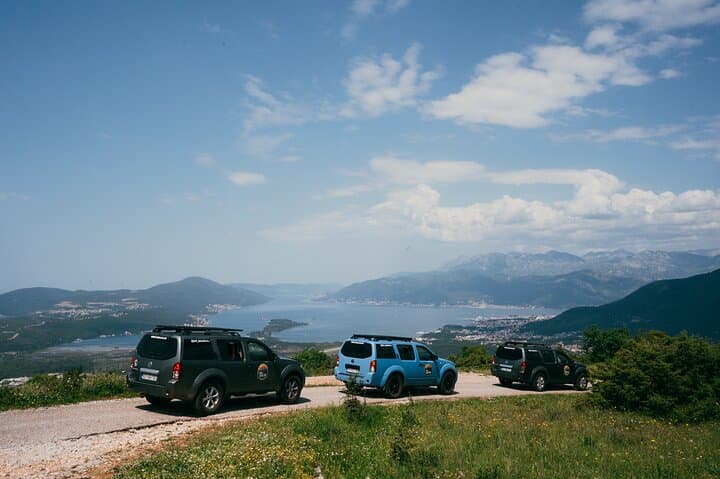
You start on a narrow coastal road and within minutes the town noise yields to pines and gravel—jeeps climb the old Austro‑Hungarian military tracks, the bay shrinking below like a map. Wind pushes through the trees and the sea grabs your eye at every hairpin; stone fortresses appear on ridge crests, hulking reminders of a time when this coastline was contested territory.
Verified experiences and guided adventures in the surrounding area.
Operated by GoBaloo · Kotor, Kotor Municipality
You start on a narrow coastal road and within minutes the town noise yields to pines and gravel—jeeps climb the old Austro‑Hungarian military tracks, the bay shrinking below like a map. Wind pushes through the trees and the sea grabs your eye at every hairpin; stone fortresses appear on ridge crests, hulking reminders of a time when this coastline was contested territory.
The tour threads together Fort Gorazda and Fort Vrmac, late‑19th‑century Austro‑Hungarian works built to command the fjord‑like inlet of the Bay of Kotor. Geologically the Vrmac ridge shows a clear contrast: flysch layers and eroded slopes different from the karst limestone of Lovćen nearby, creating terraces and viewpoints rather than sheer cliffs. Local guides weave history and daily life—how villages supplied the forts, and how olive groves and hinterland paths shaped the coastline economy.
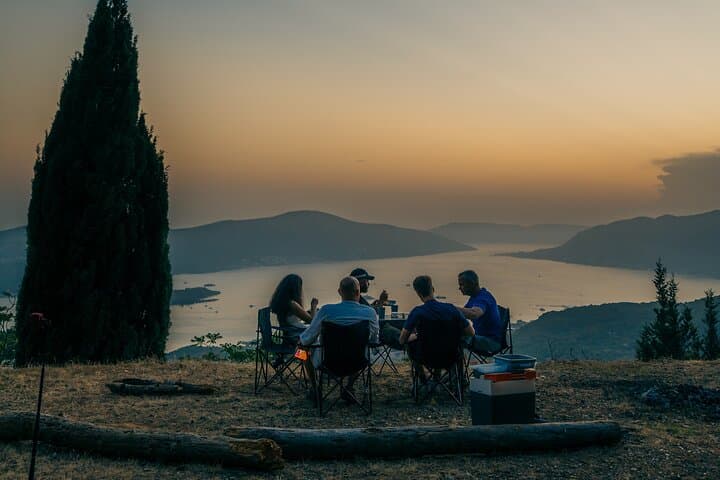
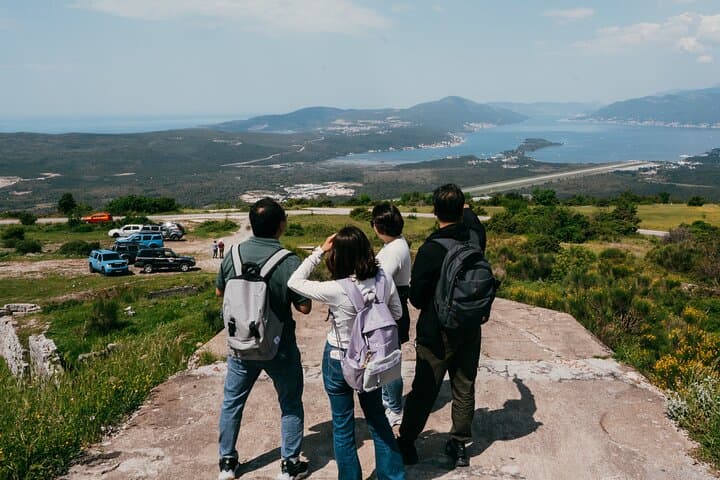
Expect short walks at viewpoints, time to explore cannons and masonry, and a relaxed picnic of Montenegrin cheeses, prosciutto, and homemade rose petal juice set against panoramic views. The route is accessible in 4x4 vehicles, with photo stops that reward early light.
Practical notes: bring sturdy shoes for uneven surfaces, sun protection, and a light wind layer—ridges can turn cool fast. Plan this mid‑morning or late afternoon for softer light and smaller crowds. The drive is under three hours, family‑friendly, and gives an efficient, off‑road perspective on Kotor’s military past and dramatic coastal geography.
easy.
2–3 hours.
Suitable for most fitness levels; involves brief uphill walks of 5–20 minutes on uneven ground.
The tour runs about 2.5–3 hours and typically departs from pickup points in Kotor or nearby Tivat, with specific pickup confirmed at booking.
Yes—vehicles are 4x4 and the walking sections are short; participants should be able to walk short uneven slopes and board the jeep.
The picnic features local snacks like cheeses, cured meats, bread, and homemade rose petal juice—notify guides of dietary restrictions in advance.
Tours may be canceled or rescheduled for heavy rain or unsafe driving conditions; operators typically require 24‑hour cancellation for refund eligibility.
Forts on Vrmac were built by the Austro‑Hungarian Empire in the late 19th century to control naval access to the bay; their roads now form the backbone of local panoramic routes.
The Bay of Kotor is a protected cultural landscape; stay on paths, avoid littering, and favour local guides who follow low‑impact practices.
GoBaloo operates guided outdoor trips and adventures with an emphasis on safety, stewardship, and memorable experiences.
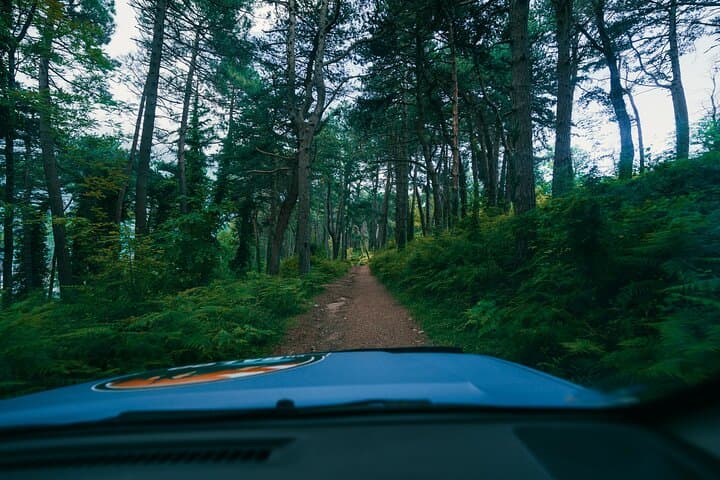
You start on a narrow coastal road and within minutes the town noise yields to pines and gravel—jeeps climb the old Austro‑Hungarian military tracks, the bay shrinking below like a map. Wind pushes through the trees and the sea grabs your eye at every hairpin; stone fortresses appear on ridge crests, hulking reminders of a time when this coastline was contested territory.
You start on a narrow coastal road and within minutes the town noise yields to pines and gravel—jeeps climb the old Austro‑Hungarian military tracks, the bay shrinking below like a map. Wind pushes through the trees and the sea grabs your eye at every hairpin; stone fortresses appear on ridge crests, hulking reminders of a time when this coastline was contested territory.
The tour threads together Fort Gorazda and Fort Vrmac, late‑19th‑century Austro‑Hungarian works built to command the fjord‑like inlet of the Bay of Kotor. Geologically the Vrmac ridge shows a clear contrast: flysch layers and eroded slopes different from the karst limestone of Lovćen nearby, creating terraces and viewpoints rather than sheer cliffs. Local guides weave history and daily life—how villages supplied the forts, and how olive groves and hinterland paths shaped the coastline economy.
Expect short walks at viewpoints, time to explore cannons and masonry, and a relaxed picnic of Montenegrin cheeses, prosciutto, and homemade rose petal juice set against panoramic views. The route is accessible in 4x4 vehicles, with photo stops that reward early light.
Practical notes: bring sturdy shoes for uneven surfaces, sun protection, and a light wind layer—ridges can turn cool fast. Plan this mid‑morning or late afternoon for softer light and smaller crowds. The drive is under three hours, family‑friendly, and gives an efficient, off‑road perspective on Kotor’s military past and dramatic coastal geography.