THE ADVENTURE COLLECTIVE® · Independent discovery and booking for outdoor travel

Trade the coastal highway for basalt lanes and hydrangea-lined farm tracks on an eight-hour 4x4 tour of Terceira. Expect off-road stretches, secluded lookouts, and a traditional open-air lunch that brings the island to life.
Trade the coastal highway for basalt lanes and hydrangea-lined farm tracks on an eight-hour 4x4 tour of Terceira. Expect off-road stretches, secluded lookouts, and a traditional open-air lunch that brings the island to life.
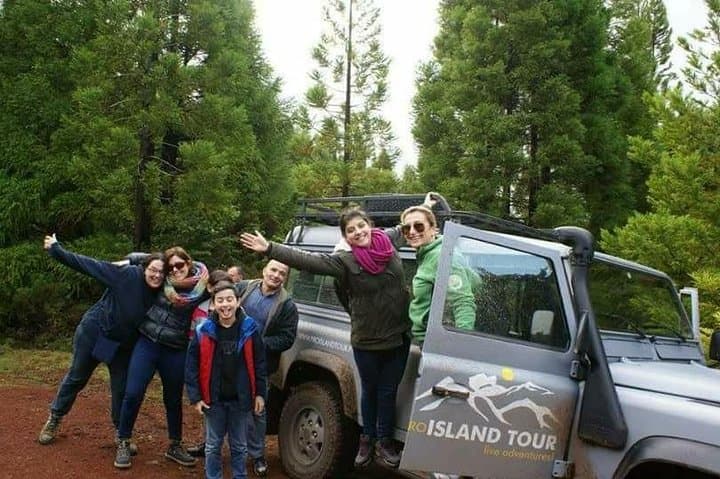
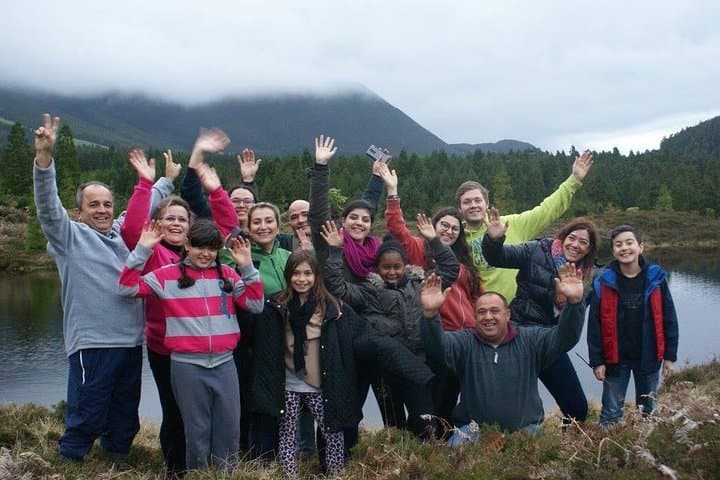
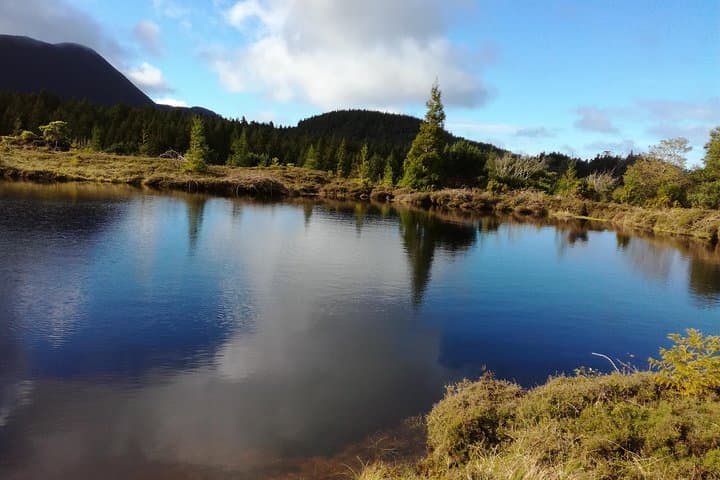
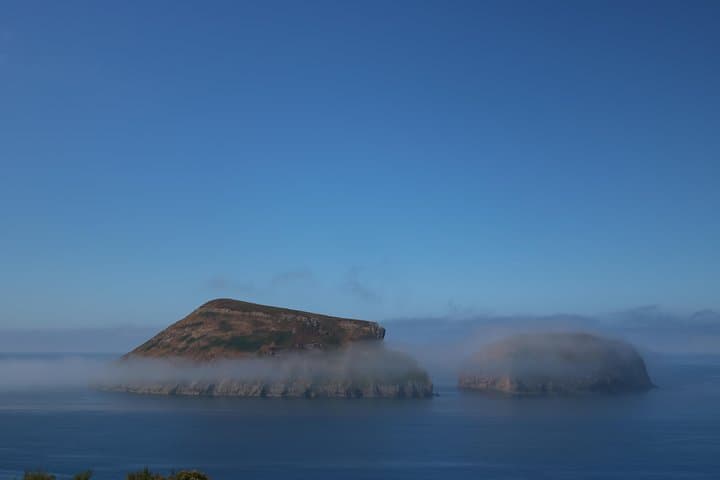
The jeep brakes, a puff of diesel and salt-scented Atlantic wind filling the cab, and you step out onto a narrow lane cut by basalt walls and blue hydrangeas taller than the hood. Across the pasture, cows lift their heads as if checking whether today will bring visitors or simply another chapter of weather. This is Terceira as the island feels when you leave the main roads: abrupt cliffs, green folds of pasture, and small lochs where clouds come down to drink.
Verified experiences and guided adventures in the surrounding area.
Operated by Pro Island Tour · Angra do Heroísmo, Azores
The jeep brakes, a puff of diesel and salt-scented Atlantic wind filling the cab, and you step out onto a narrow lane cut by basalt walls and blue hydrangeas taller than the hood. Across the pasture, cows lift their heads as if checking whether today will bring visitors or simply another chapter of weather. This is Terceira as the island feels when you leave the main roads: abrupt cliffs, green folds of pasture, and small lochs where clouds come down to drink.
Terceira is volcanic by temperament. Its ridges and hollows were carved by basalt flows and later shaped by human hands into tiny fields and stone fences that keep sheep and vistas in check. Angra do Heroísmo, the island's 16th century port and UNESCO World Heritage city, anchors a cultural thread that runs through any island drive — maritime trade, colonial waypoints, and a farming rhythm that still controls road access and local life.
A guided 4x4 tour turns these geological and cultural layers into a moving lesson. Drivers thread secondary roads and farm tracks used by locals, negotiating narrow passes that reveal coastal lookouts, hidden ravines and small hamlets most visitors never see. Stops are deliberate: a quiet viewpoint for a photo, a short walk across fields fragrant with grass and sea spray, and finally an open-air lunch where local wine and traditional dishes arrive while you stretch your legs. The jeep does the hard work, but the island insists you walk a bit, listen to birds probing cliff edges and feel the ground underfoot.
Practical side: the day runs about eight hours and includes hotel pickup across Terceira. Paths can be muddy after rain and narrow — comfortable walking shoes and a light windbreaker are worth packing. Because routes favor secondary roads, expect bumps, tight turns, and occasional short off-road climbs that reward you with views few others will enjoy.
Timing matters. Spring brings a soft green and wildflowers; summer lengthens light and hydrangeas reach full height; autumn can deliver dramatic skies and fewer crowds; winter offers raw weather and the most dramatic surf, but also slick tracks. Guides tailor each trip, so note mobility, food preferences and any stop requests when you book. Leave nothing behind: stone walls mark private fields and fragile microhabitats. Respect fences, close gates and take any trash with you.
On a good day the ride finishes with a last high lookout as late light pours across Serra do Cume or the coastal cliffs, and you understand why Terceira rewards those who trade the main road for a little more dirt under the tires.
moderate.
8 hours.
Light fitness required — mostly vehicle-based with a few short walks over uneven ground
The standard tour lasts about eight hours with hotel pickup and drop-off available across Terceira.
Yes; the route uses secondary roads and short off-road sections on narrow farm tracks that require a capable 4x4.
Yes, an open-air traditional lunch with local wine, beer and soft drinks is included.
Yes — children can join but must be accompanied by an adult; infant seats and stroller access are available.
Comfortable, closed-toe shoes and layers are recommended; pack a light waterproof for sudden rain.
Yes, tours are personalized; advise guides of mobility limits, food preferences or photo priorities when booking.
Terceira grew from volcanic activity and a 15th century Portuguese settlement; Angra do Heroísmo served as a key Atlantic port during the Age of Sail.
Stick to tracks and close gates — pasture rotation and invasive plant species are active management issues on the island, so minimize disturbance and pack out trash.
Pro Island Tour operates guided outdoor trips and adventures with an emphasis on safety, stewardship, and memorable experiences.
The jeep brakes, a puff of diesel and salt-scented Atlantic wind filling the cab, and you step out onto a narrow lane cut by basalt walls and blue hydrangeas taller than the hood. Across the pasture, cows lift their heads as if checking whether today will bring visitors or simply another chapter of weather. This is Terceira as the island feels when you leave the main roads: abrupt cliffs, green folds of pasture, and small lochs where clouds come down to drink.
The jeep brakes, a puff of diesel and salt-scented Atlantic wind filling the cab, and you step out onto a narrow lane cut by basalt walls and blue hydrangeas taller than the hood. Across the pasture, cows lift their heads as if checking whether today will bring visitors or simply another chapter of weather. This is Terceira as the island feels when you leave the main roads: abrupt cliffs, green folds of pasture, and small lochs where clouds come down to drink.
Terceira is volcanic by temperament. Its ridges and hollows were carved by basalt flows and later shaped by human hands into tiny fields and stone fences that keep sheep and vistas in check. Angra do Heroísmo, the island's 16th century port and UNESCO World Heritage city, anchors a cultural thread that runs through any island drive — maritime trade, colonial waypoints, and a farming rhythm that still controls road access and local life.
A guided 4x4 tour turns these geological and cultural layers into a moving lesson. Drivers thread secondary roads and farm tracks used by locals, negotiating narrow passes that reveal coastal lookouts, hidden ravines and small hamlets most visitors never see. Stops are deliberate: a quiet viewpoint for a photo, a short walk across fields fragrant with grass and sea spray, and finally an open-air lunch where local wine and traditional dishes arrive while you stretch your legs. The jeep does the hard work, but the island insists you walk a bit, listen to birds probing cliff edges and feel the ground underfoot.
Practical side: the day runs about eight hours and includes hotel pickup across Terceira. Paths can be muddy after rain and narrow — comfortable walking shoes and a light windbreaker are worth packing. Because routes favor secondary roads, expect bumps, tight turns, and occasional short off-road climbs that reward you with views few others will enjoy.
Timing matters. Spring brings a soft green and wildflowers; summer lengthens light and hydrangeas reach full height; autumn can deliver dramatic skies and fewer crowds; winter offers raw weather and the most dramatic surf, but also slick tracks. Guides tailor each trip, so note mobility, food preferences and any stop requests when you book. Leave nothing behind: stone walls mark private fields and fragile microhabitats. Respect fences, close gates and take any trash with you.
On a good day the ride finishes with a last high lookout as late light pours across Serra do Cume or the coastal cliffs, and you understand why Terceira rewards those who trade the main road for a little more dirt under the tires.