THE ADVENTURE COLLECTIVE® · Independent discovery and booking for outdoor travel

Take a two-hour walking tour through Manhattan’s theatre district to explore Off-Broadway history, indie venues, and insider stories from guides who perform excerpts as you go. Comfortable shoes and a MetroCard will get you there—expect an intimate, theatrical city stroll.
Take a two-hour walking tour through Manhattan’s theatre district to explore Off-Broadway history, indie venues, and insider stories from guides who perform excerpts as you go. Comfortable shoes and a MetroCard will get you there—expect an intimate, theatrical city stroll.
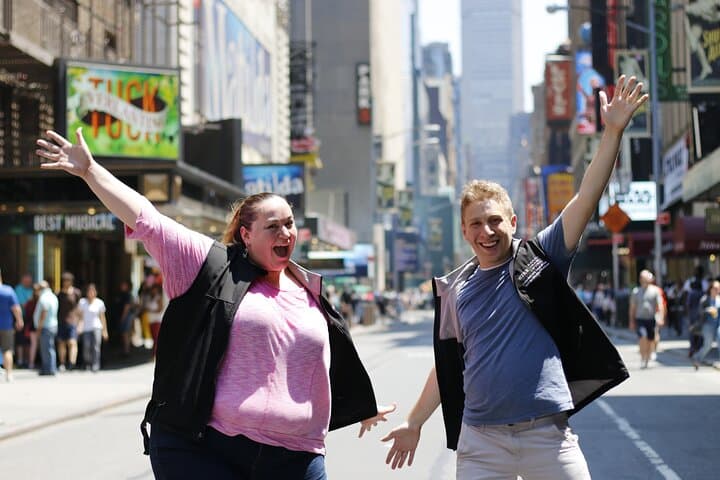
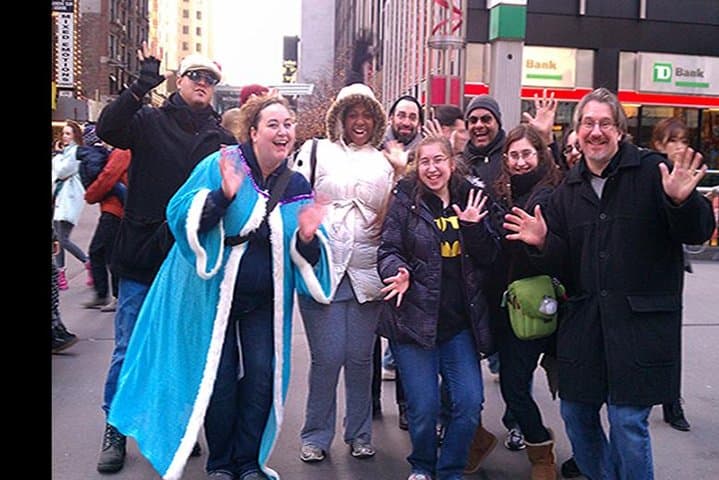
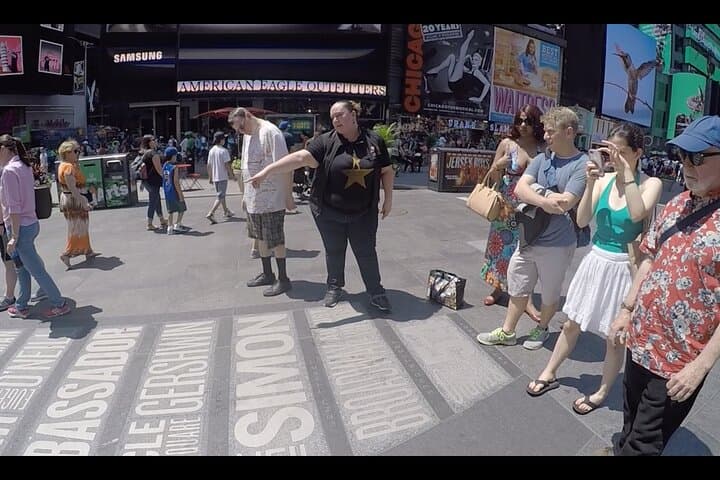
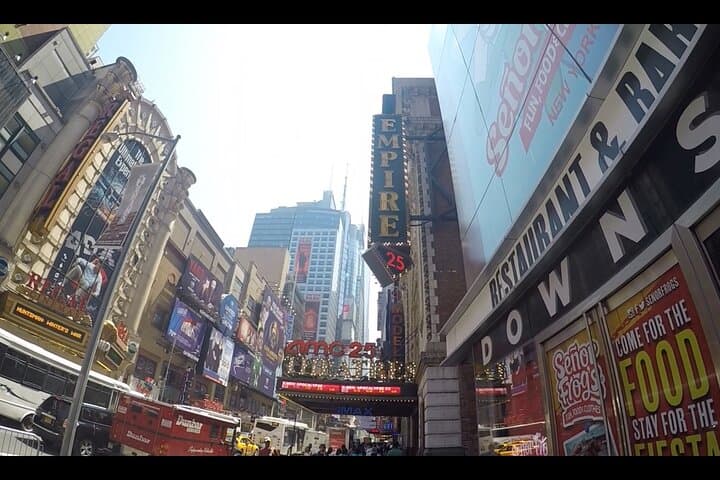
The city breathes theater here: a cluster of narrow marquees and fire escapes, a guide who stops beneath a glowing poster and sings a bar from an offbeat musical. On this two-hour Off-Broadway walking tour you move at street level through Manhattan’s theater district, hearing the stories of scrappy companies, rehearsal-room rituals, and the actors who turned small stages into launching pads.
Verified experiences and guided adventures in the surrounding area.
Operated by New York Broadway Tours · New York, New York
The city breathes theater here: a cluster of narrow marquees and fire escapes, a guide who stops beneath a glowing poster and sings a bar from an offbeat musical. On this two-hour Off-Broadway walking tour you move at street level through Manhattan’s theater district, hearing the stories of scrappy companies, rehearsal-room rituals, and the actors who turned small stages into launching pads.
Historically, Off-Broadway grew in the mid-20th century as an alternative to the big houses—smaller venues, lower budgets, riskier work. You’ll pass former vaudeville houses and storefront theaters that played a role in New York’s cultural shift toward experimental and independent drama. Even the city’s geology is present: Manhattan schist underfoot allowed the dense, layered blocks that host these intimate venues and back-alley rehearsal rooms.
The route highlights venues like New World Stages and several indie houses where directors test new voices. Local culture is practical and performative: late-night table reads, pay-what-you-can runs, and actors juggling auditions and day jobs. Guides often perform short pieces, giving you more than history—an atmosphere.
Practical guidance: bring comfortable shoes, a MetroCard or contactless pay, and a light layer—the tour is mostly on sidewalks with a few indoor stops. Expect 10–20 people on shared tours; children must be accompanied. Best times are weekday afternoons when rehearsal traffic and neighborhood noise are low. Listen for cadence and timing in the guide’s anecdotes; they point out not just buildings but the working rhythms of a living theater scene.
This is an urban hike through art, an accessible way to understand how small-scale venues shape New York’s larger cultural life.
easy.
2 hours.
Light fitness—able to walk 1.5–2 miles and stand for short performance stops.
Start and end points vary slightly but are located in Manhattan’s theater district—confirm exact meeting location on your ticket and arrive 10–15 minutes early.
Yes—children may join but must be accompanied by an adult; the content is actor- and history-focused rather than theatrical for young children.
Guides perform short excerpts and provide live entertainment, but full show admissions are not included; the tour focuses on behind-the-scenes stories and venue history.
Accessibility varies by venue and route; contact the operator ahead of booking to confirm wheelchair access and any alternative routing options.
Off-Broadway emerged mid-20th century as a low-cost alternative to Broadway, incubating experimental plays and new voices outside large commercial houses.
High foot traffic can stress small venues and neighborhood businesses—support local theaters by buying tickets directly from box offices and respecting venue rules.
New York Broadway Tours operates guided outdoor trips and adventures with an emphasis on safety, stewardship, and memorable experiences.
The city breathes theater here: a cluster of narrow marquees and fire escapes, a guide who stops beneath a glowing poster and sings a bar from an offbeat musical. On this two-hour Off-Broadway walking tour you move at street level through Manhattan’s theater district, hearing the stories of scrappy companies, rehearsal-room rituals, and the actors who turned small stages into launching pads.
The city breathes theater here: a cluster of narrow marquees and fire escapes, a guide who stops beneath a glowing poster and sings a bar from an offbeat musical. On this two-hour Off-Broadway walking tour you move at street level through Manhattan’s theater district, hearing the stories of scrappy companies, rehearsal-room rituals, and the actors who turned small stages into launching pads.
Historically, Off-Broadway grew in the mid-20th century as an alternative to the big houses—smaller venues, lower budgets, riskier work. You’ll pass former vaudeville houses and storefront theaters that played a role in New York’s cultural shift toward experimental and independent drama. Even the city’s geology is present: Manhattan schist underfoot allowed the dense, layered blocks that host these intimate venues and back-alley rehearsal rooms.
The route highlights venues like New World Stages and several indie houses where directors test new voices. Local culture is practical and performative: late-night table reads, pay-what-you-can runs, and actors juggling auditions and day jobs. Guides often perform short pieces, giving you more than history—an atmosphere.
Practical guidance: bring comfortable shoes, a MetroCard or contactless pay, and a light layer—the tour is mostly on sidewalks with a few indoor stops. Expect 10–20 people on shared tours; children must be accompanied. Best times are weekday afternoons when rehearsal traffic and neighborhood noise are low. Listen for cadence and timing in the guide’s anecdotes; they point out not just buildings but the working rhythms of a living theater scene.
This is an urban hike through art, an accessible way to understand how small-scale venues shape New York’s larger cultural life.