THE ADVENTURE COLLECTIVE® · Independent discovery and booking for outdoor travel

Step off the ferry into manicured gardens and sea-carved views on Oedo Botania, a Geoje Island day trip from Busan. This practical guide outlines what to expect—history, terrain, timing and tips to make the most of the long, weather-sensitive day.
Step off the ferry into manicured gardens and sea-carved views on Oedo Botania, a Geoje Island day trip from Busan. This practical guide outlines what to expect—history, terrain, timing and tips to make the most of the long, weather-sensitive day.
Morning light slices across the South Sea as the ferry eases toward a green, terraced island: Oedo Botania. Walkways curve between clipped hedges, sculptures peer through palms, and the salt air pushes a floral scent inland like a welcome. The route from Busan threads highway and harbor before the short boat run; by the time you step ashore the island’s cultivated slopes and sea-facing viewpoints feel worlds away from the city.
Verified experiences and guided adventures in the surrounding area.
Operated by Lecirt · Geoje, Gyeongsangnam-do
Morning light slices across the South Sea as the ferry eases toward a green, terraced island: Oedo Botania. Walkways curve between clipped hedges, sculptures peer through palms, and the salt air pushes a floral scent inland like a welcome. The route from Busan threads highway and harbor before the short boat run; by the time you step ashore the island’s cultivated slopes and sea-facing viewpoints feel worlds away from the city.
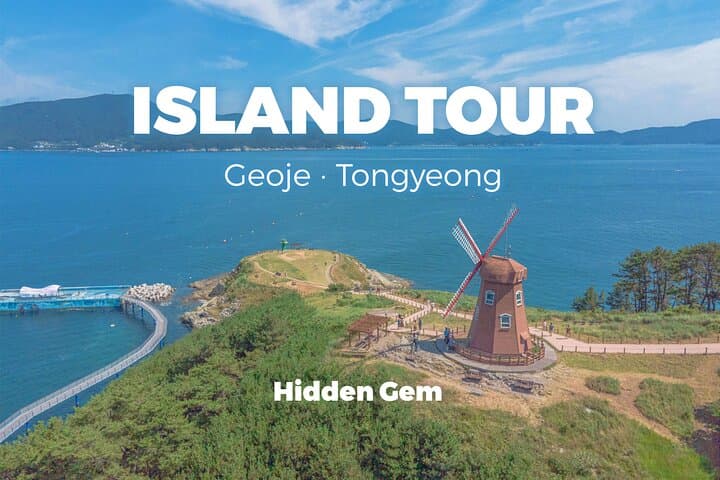
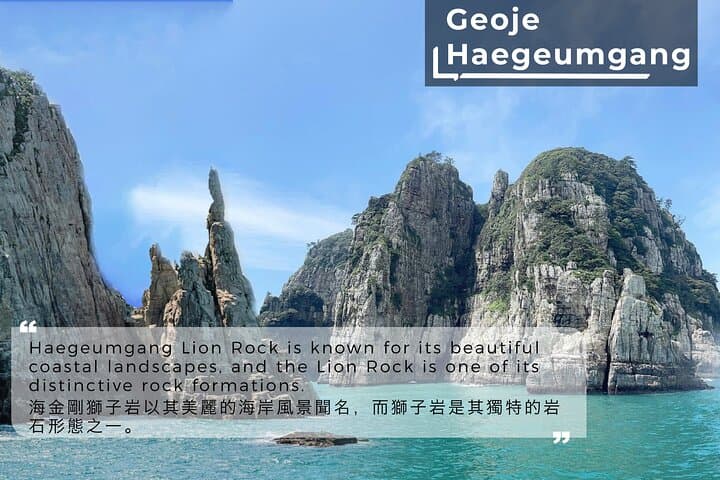
Oedo’s story is part human, part geology. An entrepreneur bought the island in the 1970s and spent decades shaping terraces and planting temperate and subtropical species; it opened to visitors in 1995 and later drew attention as a filming location for the K-drama Winter Sonata. Around Geoje, volcanic and sedimentary rock outcrops sculpt dramatic coastal stacks such as Haegeumgang, a formation named for its likeness to a traditional Korean instrument. Nearby sites—wartime tunnels, handcrafted Maemiseong fortress, and a Dutch-style windmill—add cultural texture to the coastal scenery.
Practically, this is a long but accessible day trip: expect 9–10 hours including hotel pickups in Busan, a ferry leg, and 2–3 hours exploring the island. Trails are paved or compacted but include stairs; bring steady shoes and expect wind on exposed viewpoints. The tour is weather-sensitive—high winds close ferries—and modest fitness makes the experience smoother. Time your visit for clear mornings or late afternoons to avoid crowds and get the best light for photos. Hydrate, layer for coastal gusts, and leave plants undisturbed: the garden depends on respectful visitors.
moderate.
9–10 hours.
Moderate fitness recommended—able to walk on stairs and stand for 2–3 hours of sightseeing.
The full-day tour runs about 9–10 hours door-to-door, including transfers, ferry time, and 2–3 hours on Oedo Botania.
Parts of the island and transportation are wheelchair accessible, but there are stairs and uneven sections—check with the operator about specific access needs.
Lunch is not included; there is typically a one-hour lunch stop at a local seafood restaurant where you pay separately.
Tours are weather-dependent; strong winds or storms can cancel ferries—operators will refund or reschedule if the tour is suspended.
The privately cultivated botanical gardens grew from an individual purchase in the 1970s and opened to the public in 1995; the garden gained extra fame after appearing in popular Korean TV.
Oedo’s cultivated ecosystems are sensitive—stay on paths, don’t pick plants, and limit single-use plastics to reduce impact from tour traffic and boats.
Lecirt operates guided outdoor trips and adventures with an emphasis on safety, stewardship, and memorable experiences.
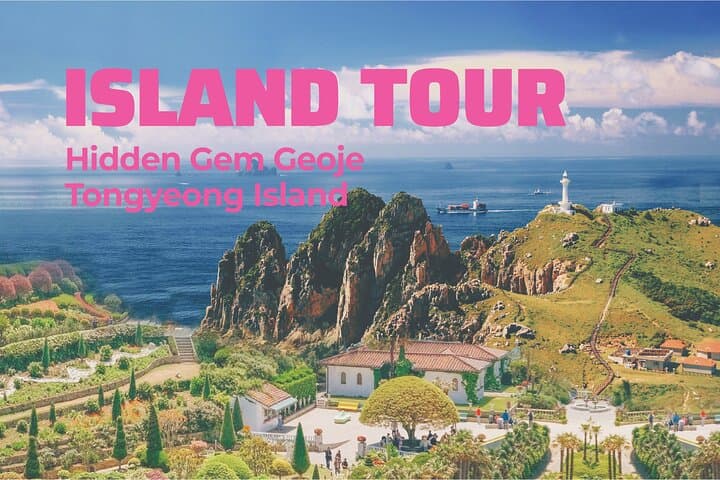
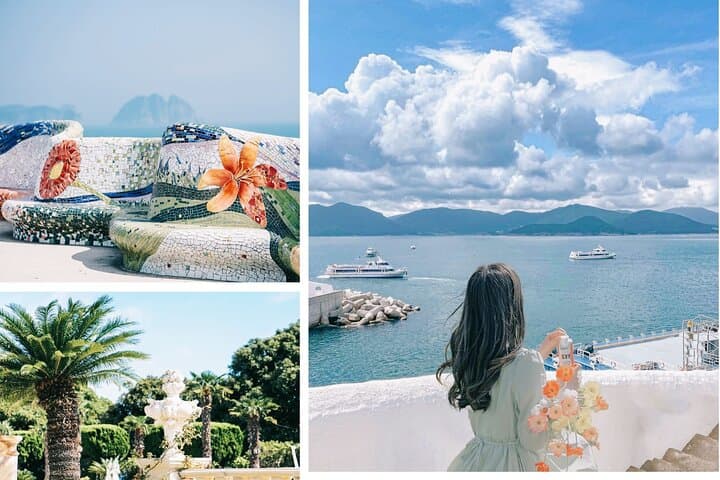
Morning light slices across the South Sea as the ferry eases toward a green, terraced island: Oedo Botania. Walkways curve between clipped hedges, sculptures peer through palms, and the salt air pushes a floral scent inland like a welcome. The route from Busan threads highway and harbor before the short boat run; by the time you step ashore the island’s cultivated slopes and sea-facing viewpoints feel worlds away from the city.
Morning light slices across the South Sea as the ferry eases toward a green, terraced island: Oedo Botania. Walkways curve between clipped hedges, sculptures peer through palms, and the salt air pushes a floral scent inland like a welcome. The route from Busan threads highway and harbor before the short boat run; by the time you step ashore the island’s cultivated slopes and sea-facing viewpoints feel worlds away from the city.
Oedo’s story is part human, part geology. An entrepreneur bought the island in the 1970s and spent decades shaping terraces and planting temperate and subtropical species; it opened to visitors in 1995 and later drew attention as a filming location for the K-drama Winter Sonata. Around Geoje, volcanic and sedimentary rock outcrops sculpt dramatic coastal stacks such as Haegeumgang, a formation named for its likeness to a traditional Korean instrument. Nearby sites—wartime tunnels, handcrafted Maemiseong fortress, and a Dutch-style windmill—add cultural texture to the coastal scenery.
Practically, this is a long but accessible day trip: expect 9–10 hours including hotel pickups in Busan, a ferry leg, and 2–3 hours exploring the island. Trails are paved or compacted but include stairs; bring steady shoes and expect wind on exposed viewpoints. The tour is weather-sensitive—high winds close ferries—and modest fitness makes the experience smoother. Time your visit for clear mornings or late afternoons to avoid crowds and get the best light for photos. Hydrate, layer for coastal gusts, and leave plants undisturbed: the garden depends on respectful visitors.