THE ADVENTURE COLLECTIVE® · Independent discovery and booking for outdoor travel

Descend to 16 metres off Djerba to explore Octopus Rocks with a certified dive instructor. Expect tight ledges, curious groupers and abundant nudibranchs on a short, guided dive suitable for Level 1 divers.
Descend to 16 metres off Djerba to explore Octopus Rocks with a certified dive instructor. Expect tight ledges, curious groupers and abundant nudibranchs on a short, guided dive suitable for Level 1 divers.
A low swell rocks the zodiac as it slips across aquamarine; below, a maze of rocks and ledges waits in shadow. You suit up beside a guide, the compressor hissing in the background, and the Mediterranean pulls at your fins as you descend to about 16 metres where octopus dens punctuate the reef.
Verified experiences and guided adventures in the surrounding area.
Operated by Club de Plongée La Sirène - Djerba Diving Center · Houmt Souk, Medenine
A low swell rocks the zodiac as it slips across aquamarine; below, a maze of rocks and ledges waits in shadow. You suit up beside a guide, the compressor hissing in the background, and the Mediterranean pulls at your fins as you descend to about 16 metres where octopus dens punctuate the reef.
The site sits off Djerba, an island with Phoenician and Roman echoes visible in nearby ruins and salt flats. Geologically, the seabed here is an interlaced series of limestone outcrops and sand channels carved by currents, which create microhabitats for octopuses, banded groupers and dense nudibranch populations. Local fishermen still read the currents the way their ancestors did, and dive operators often share stories that tie the marine life to seasonal migration and traditional practices.
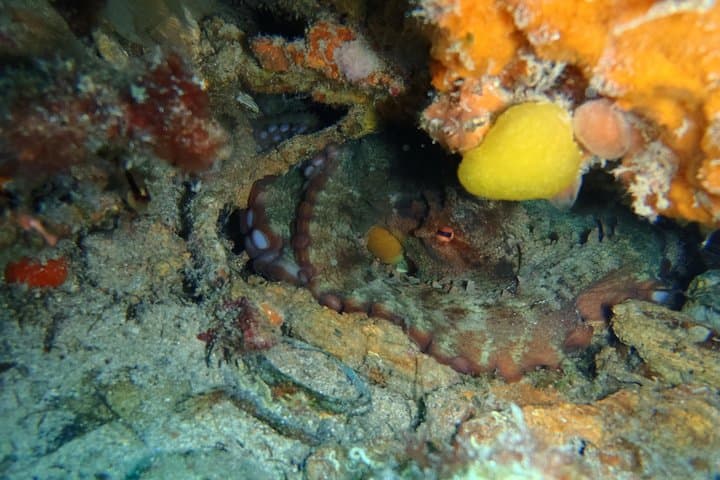
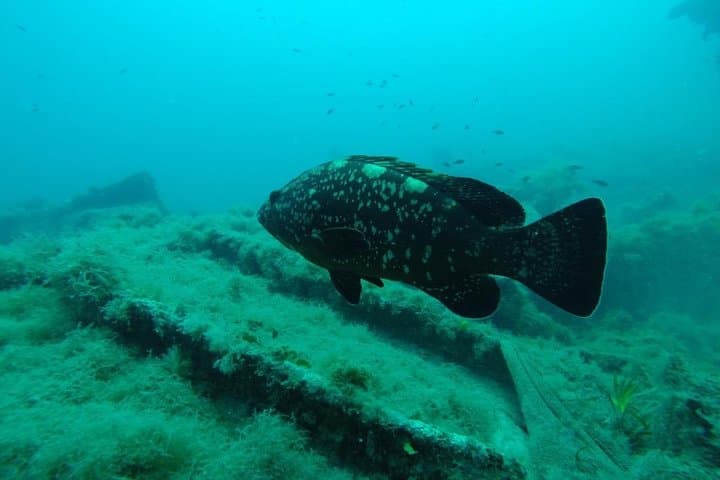
Expect an intimate, instructor-led dive: a short surface run to the rocks, a safety briefing, and a guided swim through crevices and under overhangs where octopus arms and curious groupers will examine you as much as you observe them. Visibility is generally good in calm conditions, but surge can channel you through narrow slots—let your guide set the pace.
Practical guidance: bring a reliable dive computer, signal surface marker, and reef-safe sunscreen. Check weather and wind for windows of low swell; Level 1 certified divers are suitable, but comfort with shallow navigation and buoyancy pays dividends. Respect the animals—no touching or cornering—and plan for a 2-hour window including gearing up and transit. The reward is close-up behavior of octopuses in a compact, accessible site off Djerba.
moderate.
2 hours.
Should be comfortable swimming in open water and able to perform basic dive skills repeatedly; moderate stamina for gearing and short surface swims.
Yes — this excursion requires certified divers (Level 1/open-water) who can manage basic buoyancy and ascend/descend procedures.
The site is around 16 metres deep; guided profiles normally keep divers shallower for viewing and safety.
Bottom time depends on air consumption and profiles but plan for a single guided dive with about 30–40 minutes in the water within a 2-hour total activity window.
Not recommended for non-certified children or those uncomfortable in open water; operators may offer alternative surface activities for families.
Djerba has layered maritime history from Phoenician trade to Roman ports; local fishing traditions influence dive lore and seasonal species patterns.
Operators encourage no-touch diving and use of reef-safe sunscreen; avoid disturbing dens and report illegal fishing or debris to help protect habitats.
Club de Plongée La Sirène - Djerba Diving Center operates guided outdoor trips and adventures with an emphasis on safety, stewardship, and memorable experiences.
A low swell rocks the zodiac as it slips across aquamarine; below, a maze of rocks and ledges waits in shadow. You suit up beside a guide, the compressor hissing in the background, and the Mediterranean pulls at your fins as you descend to about 16 metres where octopus dens punctuate the reef.
A low swell rocks the zodiac as it slips across aquamarine; below, a maze of rocks and ledges waits in shadow. You suit up beside a guide, the compressor hissing in the background, and the Mediterranean pulls at your fins as you descend to about 16 metres where octopus dens punctuate the reef.
The site sits off Djerba, an island with Phoenician and Roman echoes visible in nearby ruins and salt flats. Geologically, the seabed here is an interlaced series of limestone outcrops and sand channels carved by currents, which create microhabitats for octopuses, banded groupers and dense nudibranch populations. Local fishermen still read the currents the way their ancestors did, and dive operators often share stories that tie the marine life to seasonal migration and traditional practices.
Expect an intimate, instructor-led dive: a short surface run to the rocks, a safety briefing, and a guided swim through crevices and under overhangs where octopus arms and curious groupers will examine you as much as you observe them. Visibility is generally good in calm conditions, but surge can channel you through narrow slots—let your guide set the pace.
Practical guidance: bring a reliable dive computer, signal surface marker, and reef-safe sunscreen. Check weather and wind for windows of low swell; Level 1 certified divers are suitable, but comfort with shallow navigation and buoyancy pays dividends. Respect the animals—no touching or cornering—and plan for a 2-hour window including gearing up and transit. The reward is close-up behavior of octopuses in a compact, accessible site off Djerba.