THE ADVENTURE COLLECTIVE® · Independent discovery and booking for outdoor travel

Taste Bucharest’s beating culinary heart on a 2.5-hour guided walk through Obor Market. Sample smoked meats, traditional pastries, and local beer while learning the market’s history and neighborhood stories.
Taste Bucharest’s beating culinary heart on a 2.5-hour guided walk through Obor Market. Sample smoked meats, traditional pastries, and local beer while learning the market’s history and neighborhood stories.
You step off the tram into a crush of voices, steam, and the sizzle of meat on skewers — Obor Market announces itself with noise and appetite. Stalls press close, wooden crates tilt with glossy apples, and a local guide threads you through arteries of produce, cheese counters, and pastry windows that never seem to close.
Verified experiences and guided adventures in the surrounding area.
Operated by Bucharest 2Night · Bucharest, Bucharest
You step off the tram into a crush of voices, steam, and the sizzle of meat on skewers — Obor Market announces itself with noise and appetite. Stalls press close, wooden crates tilt with glossy apples, and a local guide threads you through arteries of produce, cheese counters, and pastry windows that never seem to close.
Obor began as a rural fair on the plain of Wallachia and grew into one of Bucharest’s oldest markets; its lanes mirror the city’s working-class history and seasonal rhythms. The ground here is the low Danubian Plain — flat, fertile land that shaped the market’s role as a food hub. Along the way, expect stories of traders, wartime shortages, and the stubborn recipes that survived through rationing to become staples.
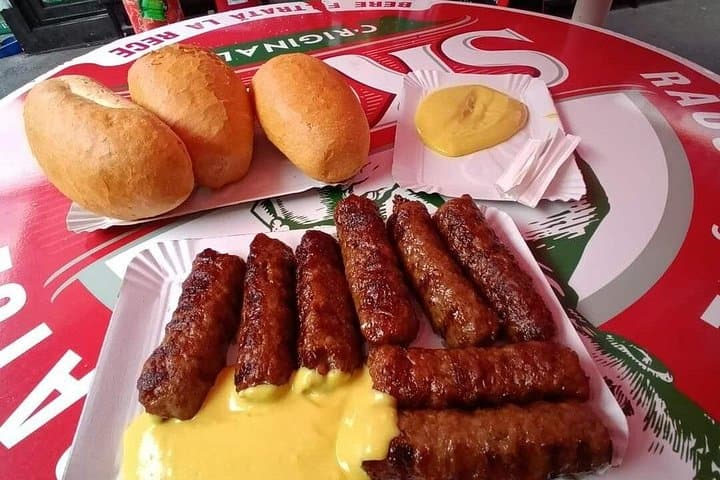
Culturally, Obor is where home cooking meets commerce: smoked sausages, mici grilled over charcoal, flaky covrigi, and vegan options tucked alongside. The market offers sensory lessons — salt, smoke, tang — served with local anecdotes and photo stops.
Practically: the tour runs about 2.5 hours and is predominantly walking on packed earth and concrete with short, dense stops for tastings. Wear comfortable shoes, carry small bills, and pace tastings if you want to sample everything. Bring a reusable water bottle and be ready to follow your guide through tight spaces; tell them about allergies or diet restrictions beforehand. Early afternoons avoid the morning rush and the late-night afterparty; aim for a time when stalls are fully stocked and vendors are relaxed. This is a market walk meant to feed curiosity as much as appetite.
easy.
2–2.5 hours.
Light walking and standing for multiple short stops; suitable for most fitness levels
The tour is approximately 2.5 hours and involves light walking through market aisles with multiple stops for tastings and explanations.
Yes; guides can include vegan and vegetarian tastings if informed before the tour — notify them of dietary needs when booking.
Yes; Obor is well served by trams and buses across Bucharest — check local timetables and arrive a few minutes early to meet your guide.
Large backpacks can be cumbersome in crowded lanes; there’s typically no storage provided, so bring a small daypack or leave bulky items at your accommodation.
Obor evolved from a regional fair on the Wallachian plain into Bucharest’s largest traditional market, reflecting the city’s shift from agrarian trade to urban commerce over two centuries.
Support vendors who source locally and bring reusable containers to minimize single-use plastics; mindful purchasing helps maintain small-scale producers.
Bucharest 2Night operates guided outdoor trips and adventures with an emphasis on safety, stewardship, and memorable experiences.
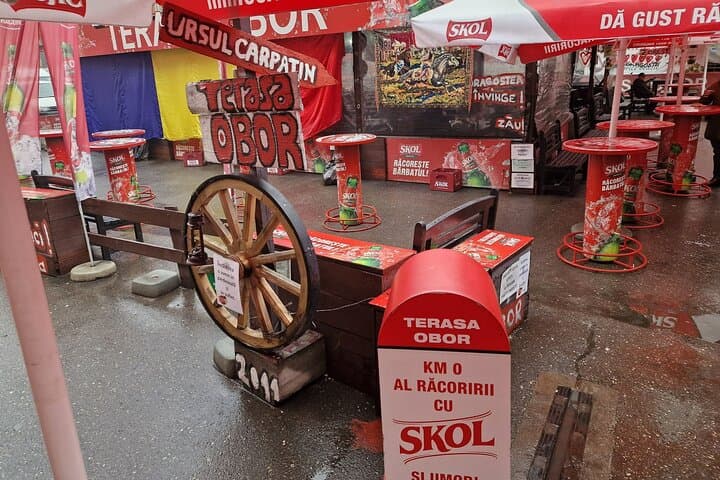


You step off the tram into a crush of voices, steam, and the sizzle of meat on skewers — Obor Market announces itself with noise and appetite. Stalls press close, wooden crates tilt with glossy apples, and a local guide threads you through arteries of produce, cheese counters, and pastry windows that never seem to close.
You step off the tram into a crush of voices, steam, and the sizzle of meat on skewers — Obor Market announces itself with noise and appetite. Stalls press close, wooden crates tilt with glossy apples, and a local guide threads you through arteries of produce, cheese counters, and pastry windows that never seem to close.
Obor began as a rural fair on the plain of Wallachia and grew into one of Bucharest’s oldest markets; its lanes mirror the city’s working-class history and seasonal rhythms. The ground here is the low Danubian Plain — flat, fertile land that shaped the market’s role as a food hub. Along the way, expect stories of traders, wartime shortages, and the stubborn recipes that survived through rationing to become staples.
Culturally, Obor is where home cooking meets commerce: smoked sausages, mici grilled over charcoal, flaky covrigi, and vegan options tucked alongside. The market offers sensory lessons — salt, smoke, tang — served with local anecdotes and photo stops.
Practically: the tour runs about 2.5 hours and is predominantly walking on packed earth and concrete with short, dense stops for tastings. Wear comfortable shoes, carry small bills, and pace tastings if you want to sample everything. Bring a reusable water bottle and be ready to follow your guide through tight spaces; tell them about allergies or diet restrictions beforehand. Early afternoons avoid the morning rush and the late-night afterparty; aim for a time when stalls are fully stocked and vendors are relaxed. This is a market walk meant to feed curiosity as much as appetite.