THE ADVENTURE COLLECTIVE® · Independent discovery and booking for outdoor travel

Walk Óbidos’ medieval lanes, sample ginginha, and enter the grand baroque halls of Mafra Palace on a private day trip from Lisbon. This guided excursion pairs cultural history with practical sightseeing—ideal for a full, single-day immersion into Portugal’s past.
Walk Óbidos’ medieval lanes, sample ginginha, and enter the grand baroque halls of Mafra Palace on a private day trip from Lisbon. This guided excursion pairs cultural history with practical sightseeing—ideal for a full, single-day immersion into Portugal’s past.
You step from the air-conditioned vehicle onto flagstones that remember centuries of footsteps, and Atlantic gusts push at the town’s whitewashed walls as if testing their age. Óbidos greets you with a single narrow street—Rua Direita—where azulejo-splashed doorways and small shops selling ginginha and crafts crowd close to the castle ramparts. Later, the baroque bulk of Mafra Palace looms, its limestone facades and twin towers framing a basilica and a library that hush even the busiest group.
Verified experiences and guided adventures in the surrounding area.
Operated by Friendly Local Guides · Óbidos, Leiria
You step from the air-conditioned vehicle onto flagstones that remember centuries of footsteps, and Atlantic gusts push at the town’s whitewashed walls as if testing their age. Óbidos greets you with a single narrow street—Rua Direita—where azulejo-splashed doorways and small shops selling ginginha and crafts crowd close to the castle ramparts. Later, the baroque bulk of Mafra Palace looms, its limestone facades and twin towers framing a basilica and a library that hush even the busiest group.
Óbidos began as a hilltop settlement long before Portugal was a kingdom and was captured by Afonso Henriques in 1148; its defensive walls and castle still define the village’s shape. Mafra is an 18th-century royal project of King João V, built with wealth from Brazil and notable for its 1,200 rooms, long ceremonial corridors, and a library of rare volumes carved in local stone and Portuguese marble. Geologically, the route moves from coastal sands toward quarries of limestone and marble—materials that give the palace its pale, sun-warmed tone.
The day balances paced walks through medieval lanes with guided time inside the palace and its basilica; expect cobbles, steps, and occasional crowds. Practical: the tour runs about 9–10 hours door-to-door with hotel or port pickup, moderate fitness needed for walking and steps, and admissions for both Óbidos and Mafra are typically included. Bring comfortable shoes, local currency for small purchases and tastings, and layer for coastal wind. Time your visit outside July’s Medieval Market if you want quieter streets; attend it if you want the full pageant of costumed performers and markets.
moderate.
9–10 hours.
Moderate level of fitness for several hours of walking, cobbled streets, and stair climbing.
Admissions to Óbidos and Mafra Palace (including the library and basilica) are typically included in this private tour, but check your booking confirmation for specifics.
Yes—the tour includes hotel or cruise-port pickup and drop-off in Lisbon; you’ll confirm the pickup point when booking.
The Medieval Market is a special event and often requires an additional fee; the tour may offer access but expect extra charges and larger crowds.
The tour involves cobbled streets and multiple staircases; it's not ideal for travelers with significant mobility issues—notify the operator about accessibility needs when booking.
Óbidos’ fortified layout reflects its medieval military past after conquest by Afonso Henriques in 1148; Mafra Palace was begun in 1717 under King João V and funded largely by Brazilian wealth.
The lagoon and palace grounds are sensitive to visitor pressure—stick to marked paths, avoid feeding wildlife, and support conservation-minded local businesses to reduce impact.
Friendly Local Guides operates guided outdoor trips and adventures with an emphasis on safety, stewardship, and memorable experiences.
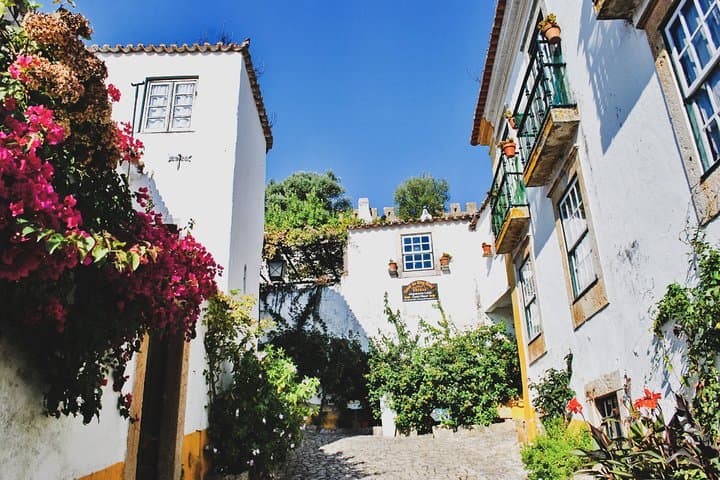
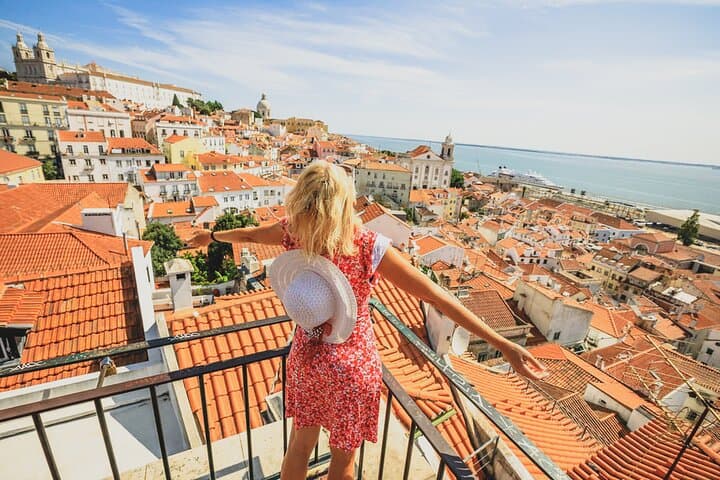
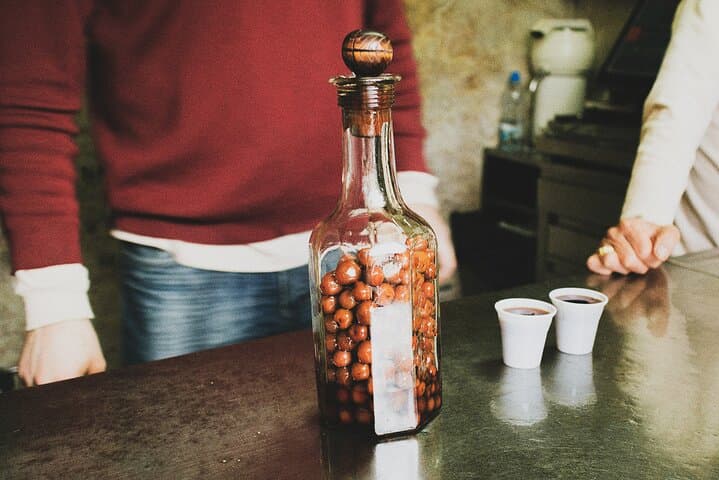
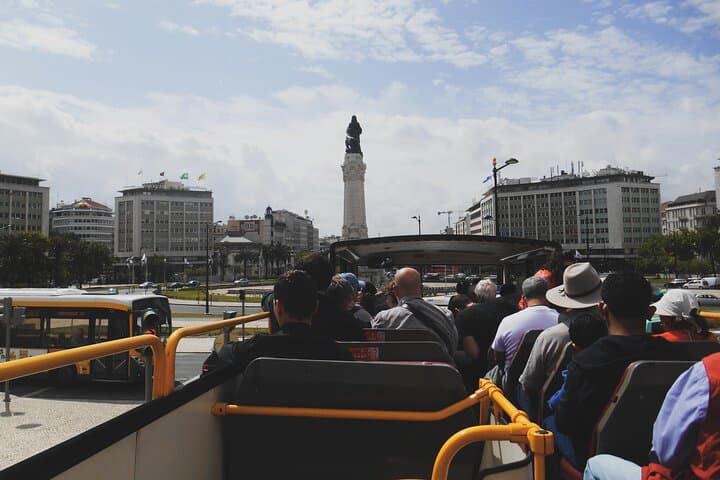
You step from the air-conditioned vehicle onto flagstones that remember centuries of footsteps, and Atlantic gusts push at the town’s whitewashed walls as if testing their age. Óbidos greets you with a single narrow street—Rua Direita—where azulejo-splashed doorways and small shops selling ginginha and crafts crowd close to the castle ramparts. Later, the baroque bulk of Mafra Palace looms, its limestone facades and twin towers framing a basilica and a library that hush even the busiest group.
You step from the air-conditioned vehicle onto flagstones that remember centuries of footsteps, and Atlantic gusts push at the town’s whitewashed walls as if testing their age. Óbidos greets you with a single narrow street—Rua Direita—where azulejo-splashed doorways and small shops selling ginginha and crafts crowd close to the castle ramparts. Later, the baroque bulk of Mafra Palace looms, its limestone facades and twin towers framing a basilica and a library that hush even the busiest group.
Óbidos began as a hilltop settlement long before Portugal was a kingdom and was captured by Afonso Henriques in 1148; its defensive walls and castle still define the village’s shape. Mafra is an 18th-century royal project of King João V, built with wealth from Brazil and notable for its 1,200 rooms, long ceremonial corridors, and a library of rare volumes carved in local stone and Portuguese marble. Geologically, the route moves from coastal sands toward quarries of limestone and marble—materials that give the palace its pale, sun-warmed tone.
The day balances paced walks through medieval lanes with guided time inside the palace and its basilica; expect cobbles, steps, and occasional crowds. Practical: the tour runs about 9–10 hours door-to-door with hotel or port pickup, moderate fitness needed for walking and steps, and admissions for both Óbidos and Mafra are typically included. Bring comfortable shoes, local currency for small purchases and tastings, and layer for coastal wind. Time your visit outside July’s Medieval Market if you want quieter streets; attend it if you want the full pageant of costumed performers and markets.