THE ADVENTURE COLLECTIVE® · Independent discovery and booking for outdoor travel

Explore the Obersalzberg mountainside on a private half‑day WWII tour from Berchtesgaden. Visit bunker tunnels, see the Berghof ruins, and learn the layered history and landscape of the Bavarian Alps.
Explore the Obersalzberg mountainside on a private half‑day WWII tour from Berchtesgaden. Visit bunker tunnels, see the Berghof ruins, and learn the layered history and landscape of the Bavarian Alps.
You begin on a narrow mountain road, the car turning away from the town and pushing upward into spruce-scented air. Windows frame a valley of alpine pastures and serrated ridgelines; the landscape itself seems to insist you pay attention. The guide pauses at viewpoints and the hills answer with the distant crash of streamwater and the hush of a forested slope.
Verified experiences and guided adventures in the surrounding area.
Operated by Discover Eagle's Nest Tours · Berchtesgaden, Bavaria
You begin on a narrow mountain road, the car turning away from the town and pushing upward into spruce-scented air. Windows frame a valley of alpine pastures and serrated ridgelines; the landscape itself seems to insist you pay attention. The guide pauses at viewpoints and the hills answer with the distant crash of streamwater and the hush of a forested slope.
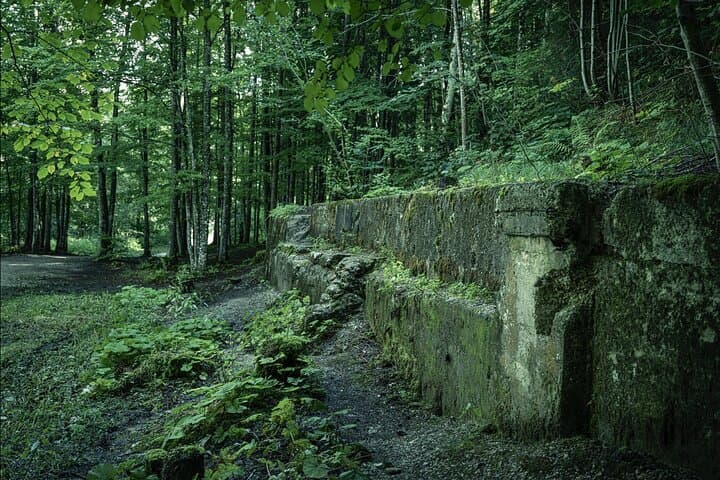
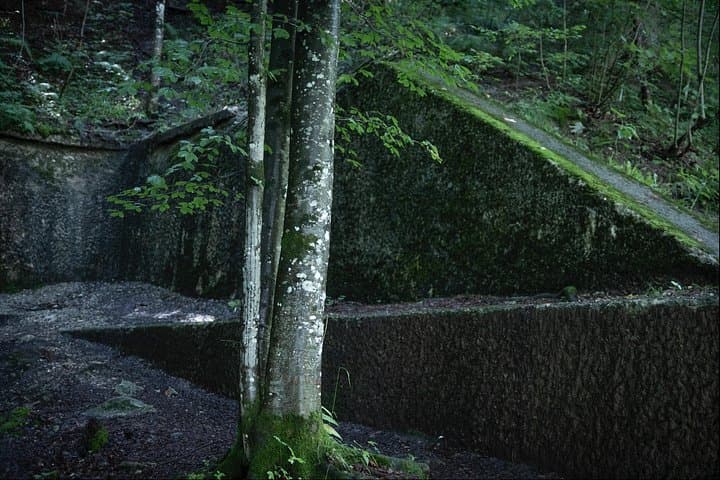
Obersalzberg's slopes carry a layered history: millennia of alpine geology sculpted into the Bavarian Alps, and a darker twentieth-century chapter when the Nazi leadership built private residences and underground bunkers here. The tour threads both — a driving overview of former officer housing, Speer’s studio site, and Göring’s house, then a short walk into the woods to the ruins of the Berghof and entrances to the stabilized bunker tunnels now open for viewing.
Local culture still orients around mountain life and remembrance. Visitors will find small museums in Berchtesgaden town that contextualize the sites and regional guides who combine archival knowledge with on-the-ground perspective. The geology is tangible: steep limestone faces, glacially carved valleys, and forest soils that hold the echoes of past construction.
Practically, expect three to four hours: private transport moves you between dispersed points, and short, uneven forest walks reach the Berghof ruins and bunker entrances. Wear sturdy shoes, a windproof layer, and bring water; weather changes quickly at elevation. Photography is allowed at many exterior sites, but follow signage at protected ruins and respect memorial zones. The tour balances quiet reflection with clear historical interpretation, making it suitable for visitors focused on history and mountain scenery alike.
easy.
3–4 hours.
Suitable for most fitness levels—short, moderate walking on uneven terrain; few stairs in bunkers.
The private tour lasts about 3–4 hours and starts and ends in Berchtesgaden; guides can meet at the train/bus station or your local accommodation.
Yes—the itinerary typically includes time at an original section of the underground bunker complex; follow guide instructions for safe access.
The tour is broadly accessible via vehicle, but the walk to the Berghof ruins and some bunker passages involve uneven ground and steps—disclose mobility needs at booking.
Photography is generally allowed at exterior sites and viewpoints, but respect areas marked as memorials or restricted and follow the guide's directions inside bunker spaces.
Obersalzberg became a political center for Nazi leadership in the 1930s; many residences and an extensive bunker network were constructed on the mountainside.
The area balances historical preservation with natural protection—visitors are asked to stay on marked paths to prevent erosion and to respect memorial sites and wildlife habitats.
Discover Eagle's Nest Tours operates guided outdoor trips and adventures with an emphasis on safety, stewardship, and memorable experiences.
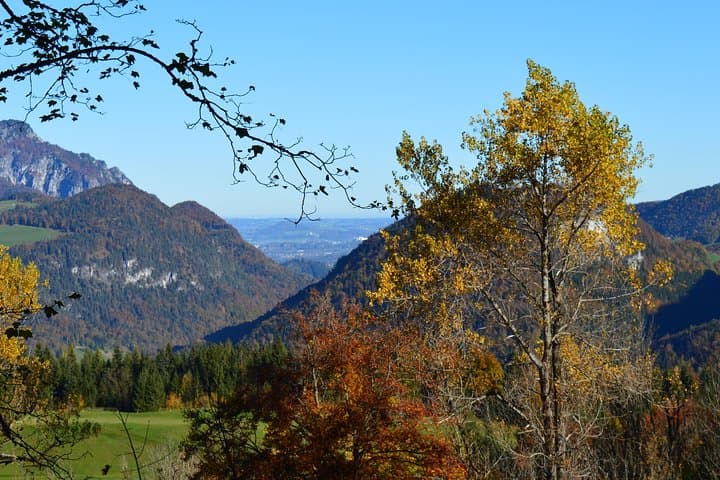
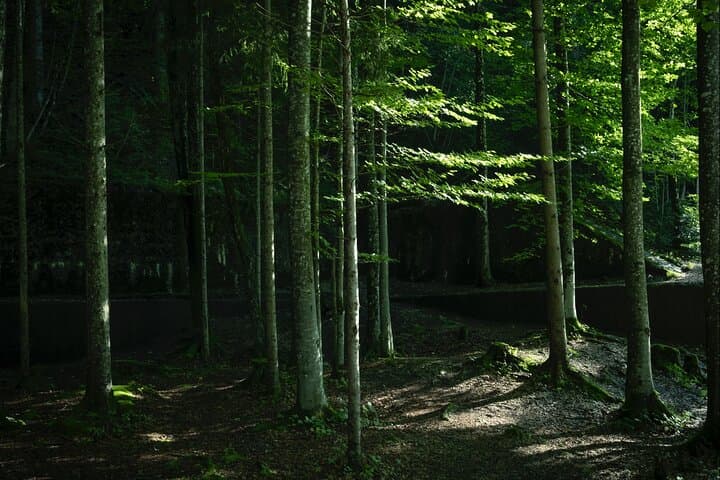
You begin on a narrow mountain road, the car turning away from the town and pushing upward into spruce-scented air. Windows frame a valley of alpine pastures and serrated ridgelines; the landscape itself seems to insist you pay attention. The guide pauses at viewpoints and the hills answer with the distant crash of streamwater and the hush of a forested slope.
You begin on a narrow mountain road, the car turning away from the town and pushing upward into spruce-scented air. Windows frame a valley of alpine pastures and serrated ridgelines; the landscape itself seems to insist you pay attention. The guide pauses at viewpoints and the hills answer with the distant crash of streamwater and the hush of a forested slope.
Obersalzberg's slopes carry a layered history: millennia of alpine geology sculpted into the Bavarian Alps, and a darker twentieth-century chapter when the Nazi leadership built private residences and underground bunkers here. The tour threads both — a driving overview of former officer housing, Speer’s studio site, and Göring’s house, then a short walk into the woods to the ruins of the Berghof and entrances to the stabilized bunker tunnels now open for viewing.
Local culture still orients around mountain life and remembrance. Visitors will find small museums in Berchtesgaden town that contextualize the sites and regional guides who combine archival knowledge with on-the-ground perspective. The geology is tangible: steep limestone faces, glacially carved valleys, and forest soils that hold the echoes of past construction.
Practically, expect three to four hours: private transport moves you between dispersed points, and short, uneven forest walks reach the Berghof ruins and bunker entrances. Wear sturdy shoes, a windproof layer, and bring water; weather changes quickly at elevation. Photography is allowed at many exterior sites, but follow signage at protected ruins and respect memorial zones. The tour balances quiet reflection with clear historical interpretation, making it suitable for visitors focused on history and mountain scenery alike.