THE ADVENTURE COLLECTIVE® · Independent discovery and booking for outdoor travel

From Oban’s pier to the famous Glenfinnan Viaduct, this private day tour threads cinematic Highland scenery, Jacobite history, and castle viewpoints into a single, photo-focused outing. Arrive early, dress for changeable weather, and plan for several short stops at iconic vantage points.
From Oban’s pier to the famous Glenfinnan Viaduct, this private day tour threads cinematic Highland scenery, Jacobite history, and castle viewpoints into a single, photo-focused outing. Arrive early, dress for changeable weather, and plan for several short stops at iconic vantage points.
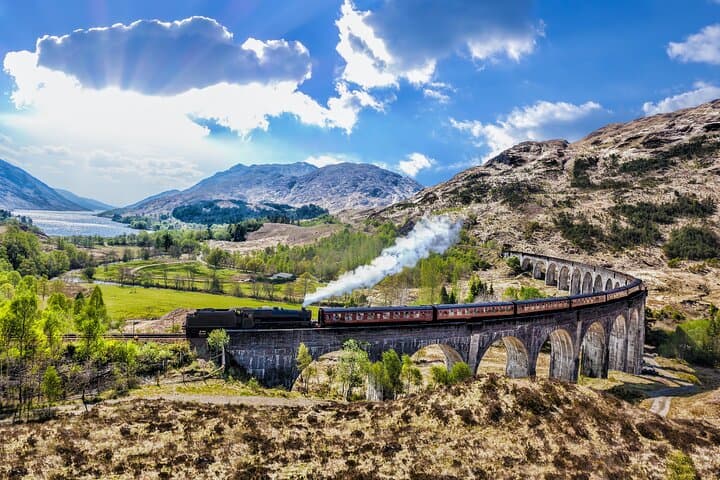
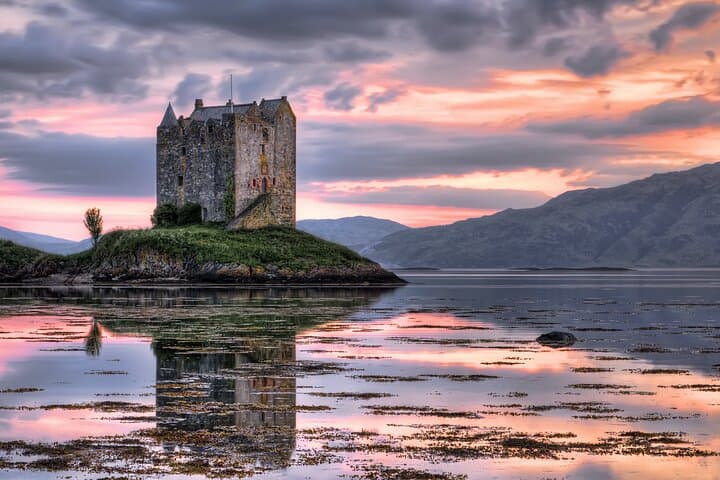
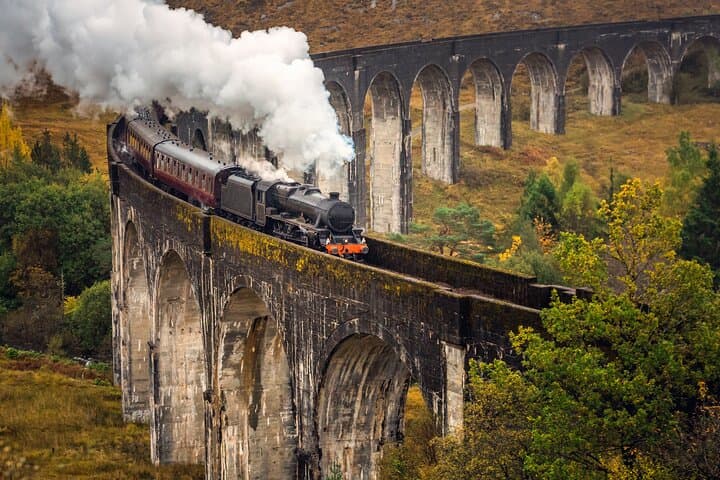
You step out onto Oban’s North Pier and the salt air snaps at your face; the van idles, ready to thread the spine of the West Highlands. Windows slide down and the coastline peels away into lochs and ridged hills. The goal is cinematic: the steam-hauled Jacobite crossing Glenfinnan Viaduct, but the route moves through history—castles framed against serrated skyline and a reminder of how glaciers carved the land.
Verified experiences and guided adventures in the surrounding area.
Operated by Charles Henry · Oban, Scotland
You step out onto Oban’s North Pier and the salt air snaps at your face; the van idles, ready to thread the spine of the West Highlands. Windows slide down and the coastline peels away into lochs and ridged hills. The goal is cinematic: the steam-hauled Jacobite crossing Glenfinnan Viaduct, but the route moves through history—castles framed against serrated skyline and a reminder of how glaciers carved the land.
The drive is a quick primer in Highland geology and history. The viaduct itself, a late-Victorian masonry arc, sits above Loch Shiel where Jacobite banners first gathered in 1745; nearby the Glenfinnan Monument marks the moment Bonnie Prince Charlie raised the standard. The region’s mountains are old rock upthrust by the Caledonian orogeny and then sharpened by repeated ice ages, leaving U-shaped glens and peatland that holds water and memory.
Culture here is still shaped by Gaelic place names and crofting communities; drivers and guides often point out local stories, clan sites, and the quieter loch-side spots used in film. Expect tight photo windows: the tour times aim to catch the steam train crossing, and viewpoints for Ben Nevis and Glencoe offer breath-stopping compositions.
Practicalities: this is a private, largely vehicle-based 6.5-hour loop with short photo stops and minimal walking. Meet outside the VisitScotland office on North Pier in Oban; parking at the rear but arrive early. Dress in layers and waterproofs—the weather changes fast. Bring a telephoto or binoculars for distant details, and keep to marked paths at Glenfinnan to protect fragile peat and archaeological sites. Confirm the train timetable ahead if seeing the Jacobite steam service is a priority.
easy.
6–7 hours.
Suitable for most fitness levels; minimal walking at stops, long periods seated in vehicle.
The operator times stops to maximize the chance of seeing the steam service, but sightings depend on the train schedule—confirm seasonal timetables before your trip.
The normal meeting point is outside the VisitScotland tourism office on North Pier; there is car parking at the rear but spaces are limited so arrive early.
The tour vehicle is wheelchair accessible and walking at stops is minimal, but check specific assistance needs with the operator when booking.
Admissions are generally not included; the itinerary includes photo stops and a visit to the Glenfinnan Visitor Centre but not paid entry to private castle interiors.
Glenfinnan marks where Bonnie Prince Charlie raised his standard in 1745; the viaduct is a later Victorian-era railway feat that now doubles as a film icon.
The Highlands’ peatlands are sensitive carbon stores—stay on trails, take all litter with you, and respect seasonal nesting or grazing areas to limit impact.
Charles Henry operates guided outdoor trips and adventures with an emphasis on safety, stewardship, and memorable experiences.
You step out onto Oban’s North Pier and the salt air snaps at your face; the van idles, ready to thread the spine of the West Highlands. Windows slide down and the coastline peels away into lochs and ridged hills. The goal is cinematic: the steam-hauled Jacobite crossing Glenfinnan Viaduct, but the route moves through history—castles framed against serrated skyline and a reminder of how glaciers carved the land.
You step out onto Oban’s North Pier and the salt air snaps at your face; the van idles, ready to thread the spine of the West Highlands. Windows slide down and the coastline peels away into lochs and ridged hills. The goal is cinematic: the steam-hauled Jacobite crossing Glenfinnan Viaduct, but the route moves through history—castles framed against serrated skyline and a reminder of how glaciers carved the land.
The drive is a quick primer in Highland geology and history. The viaduct itself, a late-Victorian masonry arc, sits above Loch Shiel where Jacobite banners first gathered in 1745; nearby the Glenfinnan Monument marks the moment Bonnie Prince Charlie raised the standard. The region’s mountains are old rock upthrust by the Caledonian orogeny and then sharpened by repeated ice ages, leaving U-shaped glens and peatland that holds water and memory.
Culture here is still shaped by Gaelic place names and crofting communities; drivers and guides often point out local stories, clan sites, and the quieter loch-side spots used in film. Expect tight photo windows: the tour times aim to catch the steam train crossing, and viewpoints for Ben Nevis and Glencoe offer breath-stopping compositions.
Practicalities: this is a private, largely vehicle-based 6.5-hour loop with short photo stops and minimal walking. Meet outside the VisitScotland office on North Pier in Oban; parking at the rear but arrive early. Dress in layers and waterproofs—the weather changes fast. Bring a telephoto or binoculars for distant details, and keep to marked paths at Glenfinnan to protect fragile peat and archaeological sites. Confirm the train timetable ahead if seeing the Jacobite steam service is a priority.