THE ADVENTURE COLLECTIVE® · Independent discovery and booking for outdoor travel

Spend a day outside Oaxaca City moving between silver workshops, women-led alebrije studios, and a master sombrero maker. This guided tour pairs hands-on demonstrations with a family-style Oaxacan lunch and chances to commission or purchase crafted pieces.
Spend a day outside Oaxaca City moving between silver workshops, women-led alebrije studios, and a master sombrero maker. This guided tour pairs hands-on demonstrations with a family-style Oaxacan lunch and chances to commission or purchase crafted pieces.
Morning light and the smell of fresh Oaxacan coffee set the pace as a small van pulls away from Oaxaca City toward Xoxocotlan.
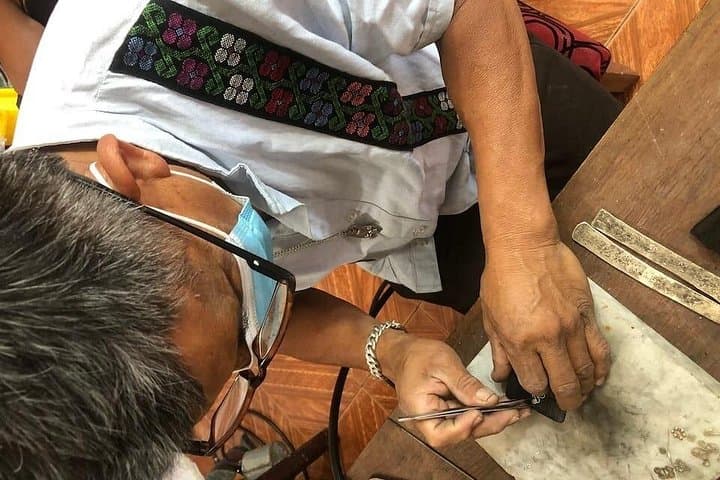
Leather seats settle, conversation hums, and the first stop opens on a family silver workshop where three generations of the Salgados refine raw metal into filigree and form. The workshop feels practical — tools on benches, heat in the air — and the guide explains design choices while offering a chance to sketch a custom piece.
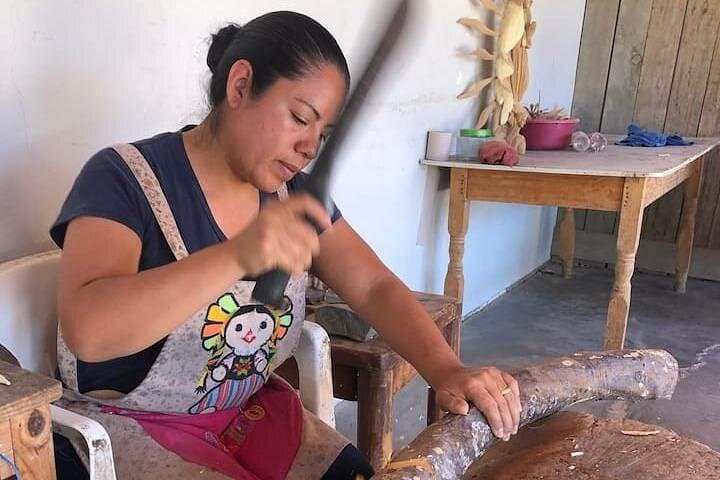
Further down a sun-flecked road, San Martín Tilcajete announces itself with colorful painted alebrijes—wooden creatures whose designs trace to Zapotec iconography and mid-20th-century revivalists. Here, women artisans lead carving and painting demonstrations, showing hand tools, pigments, and layered varnish techniques that protect painted wood from the valley’s seasonal sun.
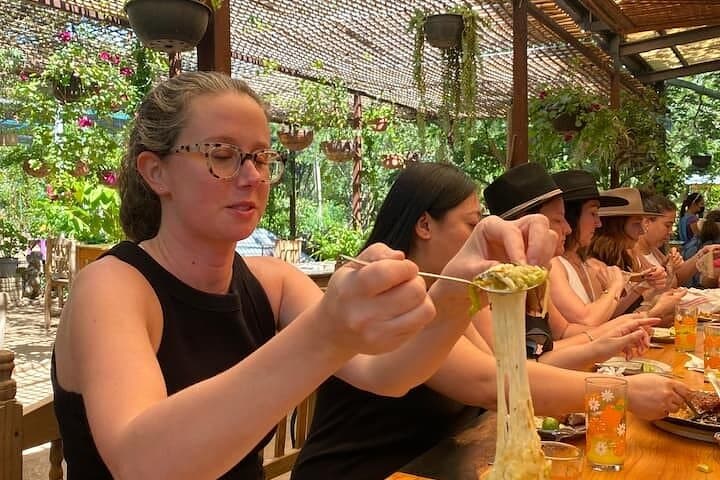
Lunch at a garden comedor is simple, communal, and local: memelitas, quesadillas and family-style platters that frame conversation about craft and community. The last stop, Ocotlán, focuses on straw and felt techniques; a maestro sombrerero explains shaping, blocking and finishing, and visitors often find a hat that will travel home as both souvenir and tool.
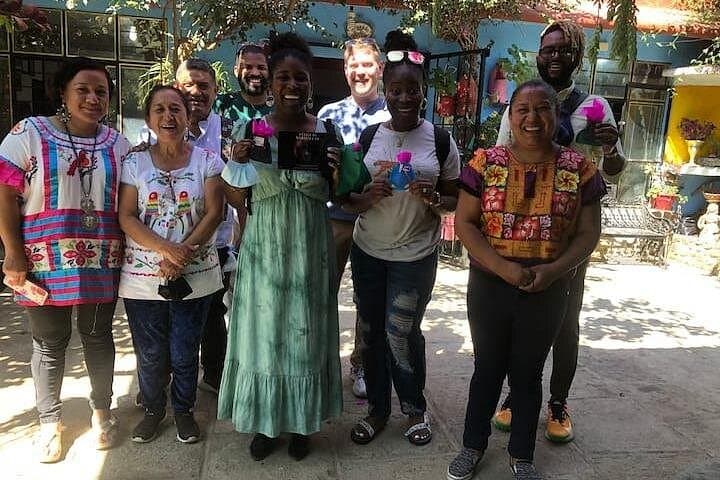
This is a cultural route through the Central Valleys — short drives between towns, easy walking on cobbles, and prolonged close-looking at making processes. Bring cash for small purchases, wear comfortable shoes for uneven streets, and allow extra time if you plan to commission bespoke work. Expect tactile demonstrations, accessible conversation with makers, and opportunities to learn while supporting local craft economies.
Verified experiences and guided adventures in the surrounding area.
Operated by Yesi Rojas · Oaxaca City, Oaxaca
Morning light and the smell of fresh Oaxacan coffee set the pace as a small van pulls away from Oaxaca City toward Xoxocotlan.
Leather seats settle, conversation hums, and the first stop opens on a family silver workshop where three generations of the Salgados refine raw metal into filigree and form. The workshop feels practical — tools on benches, heat in the air — and the guide explains design choices while offering a chance to sketch a custom piece.
Further down a sun-flecked road, San Martín Tilcajete announces itself with colorful painted alebrijes—wooden creatures whose designs trace to Zapotec iconography and mid-20th-century revivalists. Here, women artisans lead carving and painting demonstrations, showing hand tools, pigments, and layered varnish techniques that protect painted wood from the valley’s seasonal sun.
Lunch at a garden comedor is simple, communal, and local: memelitas, quesadillas and family-style platters that frame conversation about craft and community. The last stop, Ocotlán, focuses on straw and felt techniques; a maestro sombrerero explains shaping, blocking and finishing, and visitors often find a hat that will travel home as both souvenir and tool.
This is a cultural route through the Central Valleys — short drives between towns, easy walking on cobbles, and prolonged close-looking at making processes. Bring cash for small purchases, wear comfortable shoes for uneven streets, and allow extra time if you plan to commission bespoke work. Expect tactile demonstrations, accessible conversation with makers, and opportunities to learn while supporting local craft economies.
easy.
8 hours.
Light walking and standing; suitable for most fitness levels. Cobblestones and steps require steady balance.
The tour runs about 8 hours with short, easy walks through workshops and town streets; expect standing during demonstrations and some cobblestone walking.
Yes — artisans often sell finished pieces and accept commissions; lead times vary, so ask about production time and payment methods if you want a custom item.
The itinerary is suitable for most ages, but cobblestones and workshop steps can limit mobility; contact the operator if you need accessibility accommodations.
Guides typically speak Spanish and often English; artisans may speak limited English, but demonstrations are visual and hands-on, easing communication.
The Central Valleys have long been a crossroads of Zapotec culture and colonial craft economies; silverwork and woodcarving evolved through indigenous techniques blended with Spanish-era tools and markets.
Support for local artisans helps sustain traditional skills; decline in wood resources has led some carvers to adopt reclaimed or sustainably sourced copal and use protective varnishes to extend the life of pieces.
Yesi Rojas operates guided outdoor trips and adventures with an emphasis on safety, stewardship, and memorable experiences.
Morning light and the smell of fresh Oaxacan coffee set the pace as a small van pulls away from Oaxaca City toward Xoxocotlan.
Leather seats settle, conversation hums, and the first stop opens on a family silver workshop where three generations of the Salgados refine raw metal into filigree and form. The workshop feels practical — tools on benches, heat in the air — and the guide explains design choices while offering a chance to sketch a custom piece.
Further down a sun-flecked road, San Martín Tilcajete announces itself with colorful painted alebrijes—wooden creatures whose designs trace to Zapotec iconography and mid-20th-century revivalists. Here, women artisans lead carving and painting demonstrations, showing hand tools, pigments, and layered varnish techniques that protect painted wood from the valley’s seasonal sun.
Lunch at a garden comedor is simple, communal, and local: memelitas, quesadillas and family-style platters that frame conversation about craft and community. The last stop, Ocotlán, focuses on straw and felt techniques; a maestro sombrerero explains shaping, blocking and finishing, and visitors often find a hat that will travel home as both souvenir and tool.
This is a cultural route through the Central Valleys — short drives between towns, easy walking on cobbles, and prolonged close-looking at making processes. Bring cash for small purchases, wear comfortable shoes for uneven streets, and allow extra time if you plan to commission bespoke work. Expect tactile demonstrations, accessible conversation with makers, and opportunities to learn while supporting local craft economies.