THE ADVENTURE COLLECTIVE® · Independent discovery and booking for outdoor travel

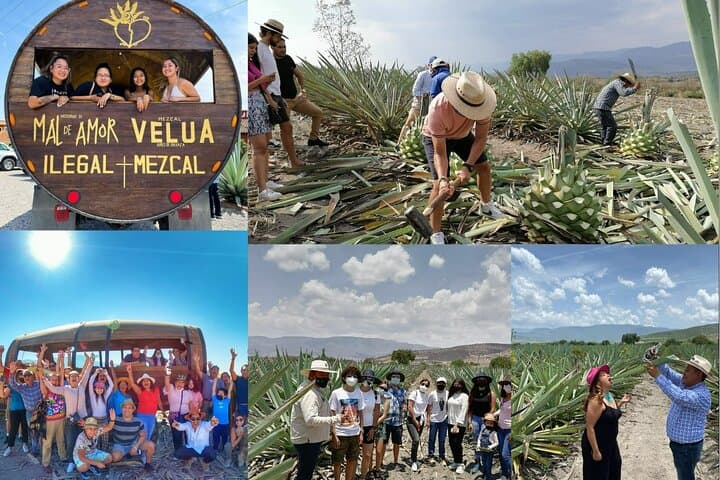
Travel from Oaxaca City to Teotitlán del Valle and Santiago Matatlán for a seven‑hour, hands‑on mezcal experience: weaving, agave fields aboard a barrel truck, cellar tours and a tasting of more than a dozen mezcals. Learn how agave varieties and local craft shape the spirit.
Travel from Oaxaca City to Teotitlán del Valle and Santiago Matatlán for a seven‑hour, hands‑on mezcal experience: weaving, agave fields aboard a barrel truck, cellar tours and a tasting of more than a dozen mezcals. Learn how agave varieties and local craft shape the spirit.
You step out of Oaxaca’s Historic Center and the city’s heat gives way to a wind that moves through long rows of agave like a slow exhale. The tour rides toward Teotitlán del Valle’s ochre streets where wool looms click and family workshops dye yarn the old way; the air smells of wood smoke, cooked maguey and citrus peel from a nearby market.
Verified experiences and guided adventures in the surrounding area.
Operated by Palenque Mal De Amor · Oaxaca de Juárez, Oaxaca
You step out of Oaxaca’s Historic Center and the city’s heat gives way to a wind that moves through long rows of agave like a slow exhale. The tour rides toward Teotitlán del Valle’s ochre streets where wool looms click and family workshops dye yarn the old way; the air smells of wood smoke, cooked maguey and citrus peel from a nearby market.
This route threads Zapotec craft traditions and mezcal history: Teotitlán’s weaving dates back generations, while Santiago Matatlán earned the name “Mezcal Capital” through centuries of small-scale distillation using pit ovens and copper stills. Geologically, the region’s high valley soils and volcanic substrata influence agave terroir—different elevations and mineral mixes yield distinct flavors. Cultural notes surface in rituals at the milpa and tasting rituals that show how pulque, curados and tepache sit beside mezcal in local life.
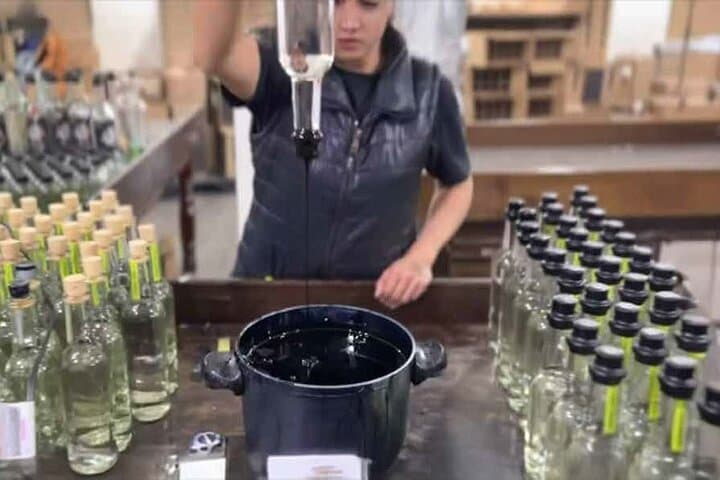
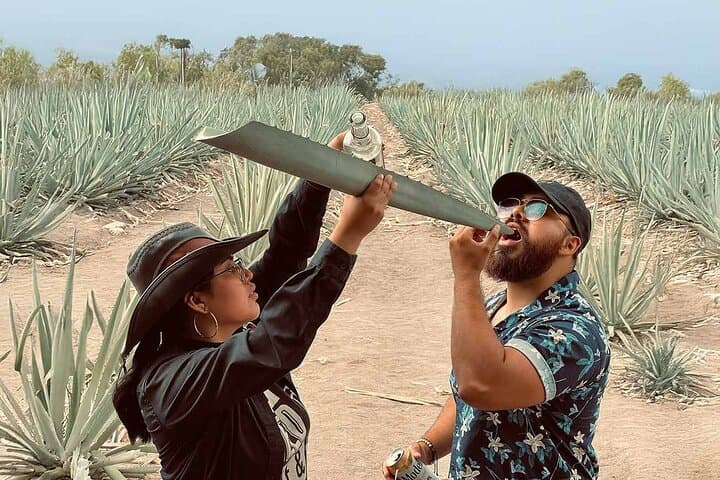
Expect hands-on moments: cutting roasted piñas, touring a ripening cava, and tasting more than a dozen mezcals with an explanation of denomination of origin and agave varieties. Practical side—this is a seven-hour, low-impact day trip with short walks, several seated tastings and a mobile barrel truck ride through fields. Bring sun protection, sip slowly (mezcals vary widely in proof), and leave room for photos and small purchases from family distillers. The guide will handle transport and tastings; you manage pace, hydration and respect for producers’ traditions.
easy.
7 hours.
Suitable for most fitness levels; expect short standing and walking intervals and easy field terrain
The tour runs about seven hours and typically includes transport from Oaxaca, visits to Teotitlán del Valle and Santiago Matatlán, distillery and cava tours, tastings (10–12 mezcals), and bottled water.
No—this experience is not recommended for pregnant travelers or those with serious cardiovascular conditions due to alcohol tastings and the tour’s duration.
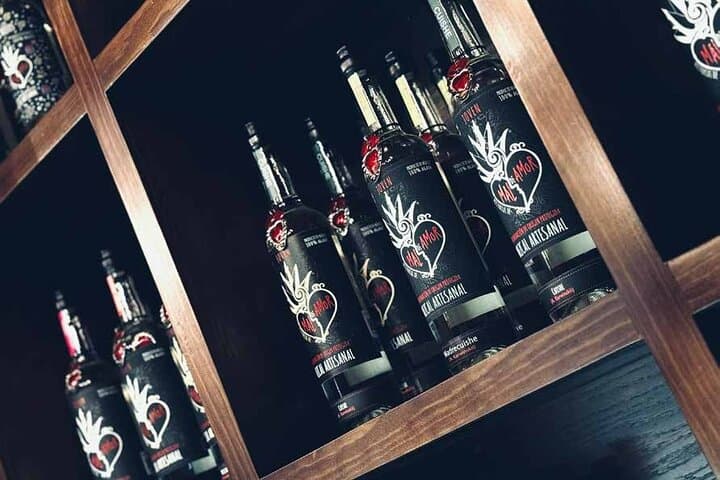
Yes—many family distillers sell bottles on site, often including artisanal varieties not widely exported; bring cash for smaller producers.
Children are allowed but infants should sit on a lap; the tasting portions are intended for adults, and some stops may be less engaging for very young kids.
Oaxaca’s mezcal culture evolved from indigenous agave use and Spanish distillation techniques; Santiago Matatlán became a hub for family distillers who preserved artisanal methods.
Agave populations face pressure from overharvesting; choose tours and producers who practice rotational harvesting and support local regeneration efforts.
Palenque Mal De Amor operates guided outdoor trips and adventures with an emphasis on safety, stewardship, and memorable experiences.
You step out of Oaxaca’s Historic Center and the city’s heat gives way to a wind that moves through long rows of agave like a slow exhale. The tour rides toward Teotitlán del Valle’s ochre streets where wool looms click and family workshops dye yarn the old way; the air smells of wood smoke, cooked maguey and citrus peel from a nearby market.
You step out of Oaxaca’s Historic Center and the city’s heat gives way to a wind that moves through long rows of agave like a slow exhale. The tour rides toward Teotitlán del Valle’s ochre streets where wool looms click and family workshops dye yarn the old way; the air smells of wood smoke, cooked maguey and citrus peel from a nearby market.
This route threads Zapotec craft traditions and mezcal history: Teotitlán’s weaving dates back generations, while Santiago Matatlán earned the name “Mezcal Capital” through centuries of small-scale distillation using pit ovens and copper stills. Geologically, the region’s high valley soils and volcanic substrata influence agave terroir—different elevations and mineral mixes yield distinct flavors. Cultural notes surface in rituals at the milpa and tasting rituals that show how pulque, curados and tepache sit beside mezcal in local life.
Expect hands-on moments: cutting roasted piñas, touring a ripening cava, and tasting more than a dozen mezcals with an explanation of denomination of origin and agave varieties. Practical side—this is a seven-hour, low-impact day trip with short walks, several seated tastings and a mobile barrel truck ride through fields. Bring sun protection, sip slowly (mezcals vary widely in proof), and leave room for photos and small purchases from family distillers. The guide will handle transport and tastings; you manage pace, hydration and respect for producers’ traditions.