THE ADVENTURE COLLECTIVE® · Independent discovery and booking for outdoor travel

Set sail from Waikiki on an intimate open-deck catamaran for a two-hour winter whale watch. Local crew share cultural context and whale behavior, and a free return sail is offered if no whales are sighted.
Set sail from Waikiki on an intimate open-deck catamaran for a two-hour winter whale watch. Local crew share cultural context and whale behavior, and a free return sail is offered if no whales are sighted.
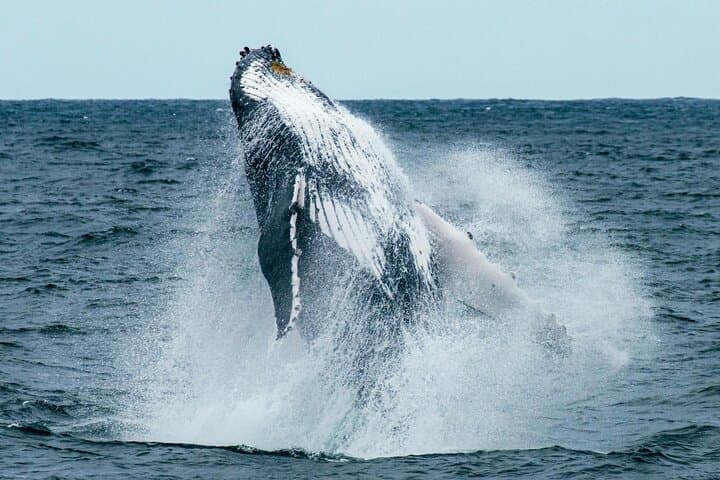
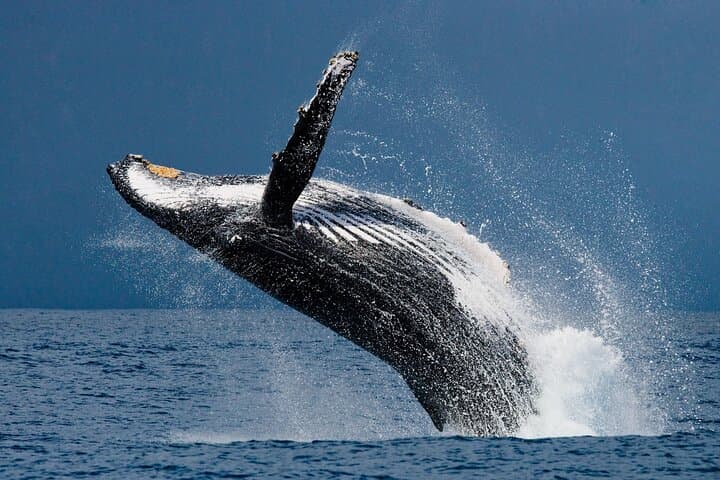
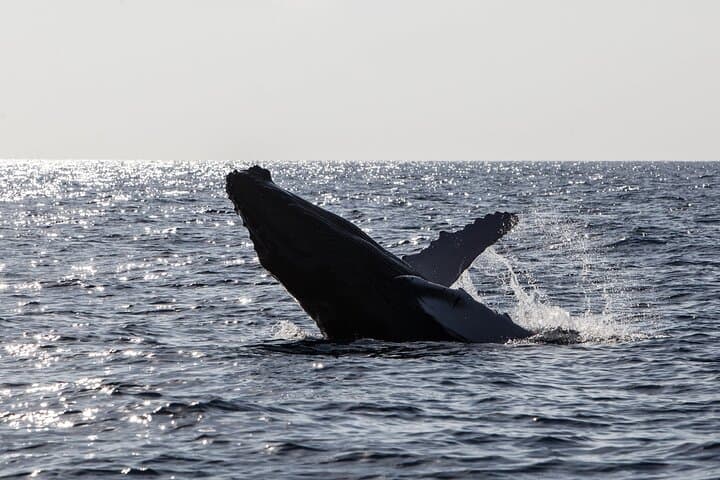
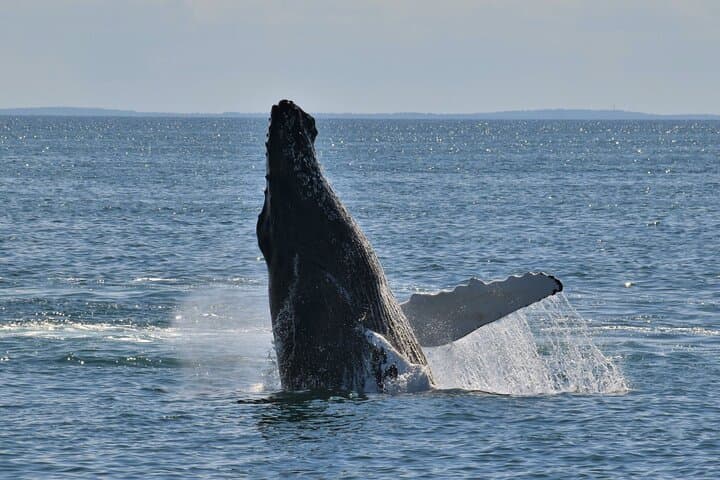
Salt spray and the call of the Pacific set the scene as the catamaran slips away from the Prince Waikiki dock, Diamond Head sliding astern like a slow-moving landmark. On an open-deck sail limited to 35 guests, the ocean takes the lead — cold breath of wind, long blue swells, and the sudden silver flash of a whale’s tail.
Verified experiences and guided adventures in the surrounding area.
Operated by Aloha Sails Waikiki · Honolulu, Hawaii
Salt spray and the call of the Pacific set the scene as the catamaran slips away from the Prince Waikiki dock, Diamond Head sliding astern like a slow-moving landmark. On an open-deck sail limited to 35 guests, the ocean takes the lead — cold breath of wind, long blue swells, and the sudden silver flash of a whale’s tail.
Humpback whales (koholā) migrate to Hawai‘i each winter, a migration recorded in indigenous chant and later in scientific study. Geologically, the south shore of Oʻahu is volcanic rock meeting coral reef; from the water that boundary reads as broken reef flats and deep blue channels where whales pass. Local crew combine contemporary marine knowledge with aloha — expect cultural context about the whales’ role in Hawaiian life alongside natural-history notes on breaching, tail slaps, and social behavior.
Practically, the trip is a focused two-hour outing along Oʻahu’s southern coast. The open catamaran gives 360° viewing and easy camera angles; crews watch for blows and flukes and position the boat for respectful observation. Sightings are seasonal (mainly December–April) and frequent, but operators typically offer a free return sail if whales aren’t seen.
Plan for changeable weather: morning calm can turn breezy. Wear non-slip shoes and layered outerwear, bring sun protection and binoculars, and consider motion-sickness prevention if you’re sensitive. Boarding is from Prince Waikiki’s valet/dock area; public transit options exist nearby. For photographers and naturalists alike, this short sail delivers a direct, low-friction encounter with some of the ocean’s largest and most charismatic visitors.
easy.
2 hours.
Suitable for most fitness levels; requires basic mobility for boarding and standing on deck for observation.
Peak humpback season runs roughly December through April, when whales migrate to Hawai‘i’s warm breeding waters.
Sightings are common but not guaranteed; many operators offer a free return sail if whales are not seen on your trip.
Yes — infants are allowed but are required to sit on an adult’s lap during the trip.
This trip is not recommended for guests with serious cardiovascular issues; check operator guidance and consult your doctor if unsure.
Humpback whales have long been part of Hawaiian oral tradition; modern protections and research expanded after mid-20th-century whaling declines.
Responsible operators follow NOAA approach-distance guidelines; choose tours that prioritize non-invasive viewing to reduce stress on whales.
Aloha Sails Waikiki operates guided outdoor trips and adventures with an emphasis on safety, stewardship, and memorable experiences.
Salt spray and the call of the Pacific set the scene as the catamaran slips away from the Prince Waikiki dock, Diamond Head sliding astern like a slow-moving landmark. On an open-deck sail limited to 35 guests, the ocean takes the lead — cold breath of wind, long blue swells, and the sudden silver flash of a whale’s tail.
Salt spray and the call of the Pacific set the scene as the catamaran slips away from the Prince Waikiki dock, Diamond Head sliding astern like a slow-moving landmark. On an open-deck sail limited to 35 guests, the ocean takes the lead — cold breath of wind, long blue swells, and the sudden silver flash of a whale’s tail.
Humpback whales (koholā) migrate to Hawai‘i each winter, a migration recorded in indigenous chant and later in scientific study. Geologically, the south shore of Oʻahu is volcanic rock meeting coral reef; from the water that boundary reads as broken reef flats and deep blue channels where whales pass. Local crew combine contemporary marine knowledge with aloha — expect cultural context about the whales’ role in Hawaiian life alongside natural-history notes on breaching, tail slaps, and social behavior.
Practically, the trip is a focused two-hour outing along Oʻahu’s southern coast. The open catamaran gives 360° viewing and easy camera angles; crews watch for blows and flukes and position the boat for respectful observation. Sightings are seasonal (mainly December–April) and frequent, but operators typically offer a free return sail if whales aren’t seen.
Plan for changeable weather: morning calm can turn breezy. Wear non-slip shoes and layered outerwear, bring sun protection and binoculars, and consider motion-sickness prevention if you’re sensitive. Boarding is from Prince Waikiki’s valet/dock area; public transit options exist nearby. For photographers and naturalists alike, this short sail delivers a direct, low-friction encounter with some of the ocean’s largest and most charismatic visitors.