THE ADVENTURE COLLECTIVE® · Independent discovery and booking for outdoor travel

Board a 2.5-hour cruise from Kewalo Basin and watch migrating humpbacks pass the Waikiki coast. This combined morning or sunset tour mixes marine science, local stories, and reliable chances to see mothers and calves.
Board a 2.5-hour cruise from Kewalo Basin and watch migrating humpbacks pass the Waikiki coast. This combined morning or sunset tour mixes marine science, local stories, and reliable chances to see mothers and calves.
You step onto the stern as the harbor loosens its grip, the skyline of Waikiki flattening into a ribbon of hotels while the Pacific opens like a challenge. Salt and diesel mix with the sharp sweetness of sea spray; gulls wheel above as the captain radios a sighting. Soon the ocean answers — a blow, a fluke, the sudden arc of a humpback breaching and slapping the water like a deliberate conversation.
Verified experiences and guided adventures in the surrounding area.
Operated by Iruka Hawaii Dolphin · Honolulu, Hawaii
You step onto the stern as the harbor loosens its grip, the skyline of Waikiki flattening into a ribbon of hotels while the Pacific opens like a challenge. Salt and diesel mix with the sharp sweetness of sea spray; gulls wheel above as the captain radios a sighting. Soon the ocean answers — a blow, a fluke, the sudden arc of a humpback breaching and slapping the water like a deliberate conversation.
Humpback whales (kohola) migrate here from Alaska each winter to breed and give birth, a behavior Hawaiian communities have observed for generations. Geologically, Oahu's fringing reefs and underwater shelves form shallow lungs where mother and calf can rest; the island’s volcanic backbone drops quickly to deeper channels where whales feed and travel.
Culturally, encounters are quiet affairs: guides blend marine science with local storytelling, explaining traditional respect for marine life and present-day protections. Expect education on NOAA viewing rules and the marine sanctuary that helps protect these giants.
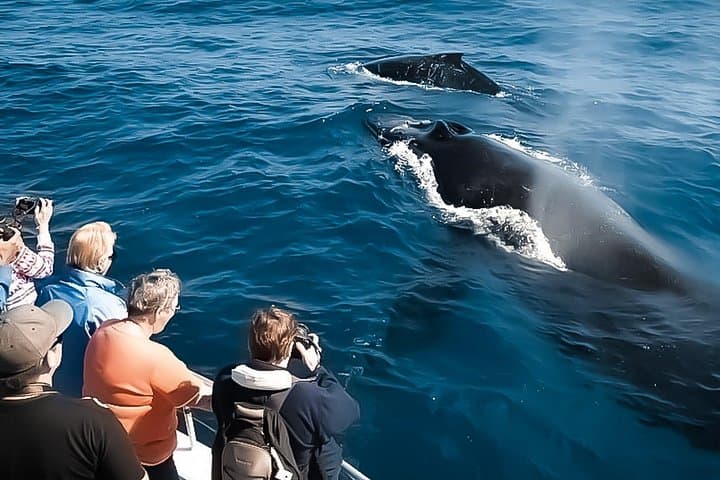
Practically, tours run about 2.5 hours and leave from Kewalo Basin, a 10-minute drive from Waikiki with nearby parking and public transit. Morning runs favor active surface displays; sunset cruises pair whale-watching with Waikiki skyline light. Bring layered, windproof clothing, motion-sickness prevention, and a camera with a zoom lens. Boats allow food and beverages (no glass); service animals are permitted. Weather or low bookings may cancel trips — operators refund if you cancel at least 24 hours ahead. On deck you’ll feel the current pushing the hull, the ocean daring you to watch closely — and if a calf slips into view beside its mother, you’ll understand why people keep returning to this strip of Pacific coastline.
easy.
2–3 hours.
Suitable for all fitness levels; requires ability to board a ladder and stand on deck for portions of the trip.
Peak season runs roughly December through April, with the highest sighting rates January–March when whales are courting, birthing, and nursing.
Operators follow NOAA regulations and local guidelines—boats maintain safe viewing distances; whales often come within a few hundred meters, but approach is determined by the animals’ behavior.
Yes—infants are permitted but must sit on an adult’s lap; life jackets are available, and staff provide safety briefings.
Most operators cancel in unsafe conditions and will offer a full refund if you cancel at least 24 hours prior; check the booking’s specific cancellation policy.
Hawaiian oral history recognizes whales as significant seasonal visitors; modern protections grew from mid-20th-century conservation efforts and the establishment of marine sanctuaries.
Respectful viewing and adherence to marine wildlife rules reduce disturbance; support operators who follow NOAA and local guidelines and avoid feeding or approaching wildlife.
Iruka Hawaii Dolphin operates guided outdoor trips and adventures with an emphasis on safety, stewardship, and memorable experiences.
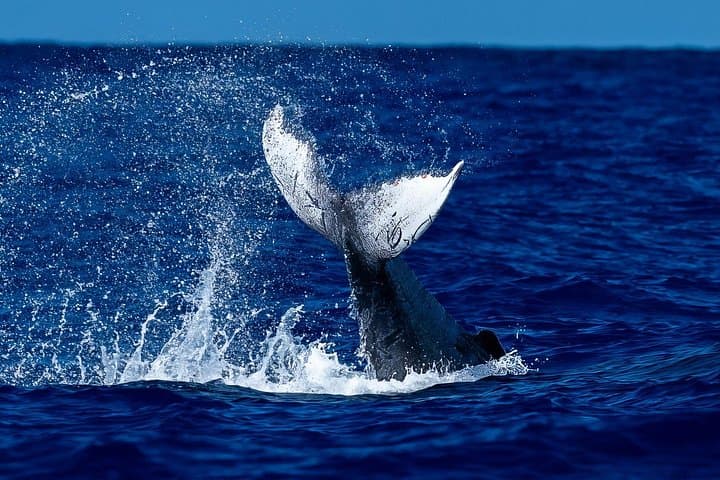
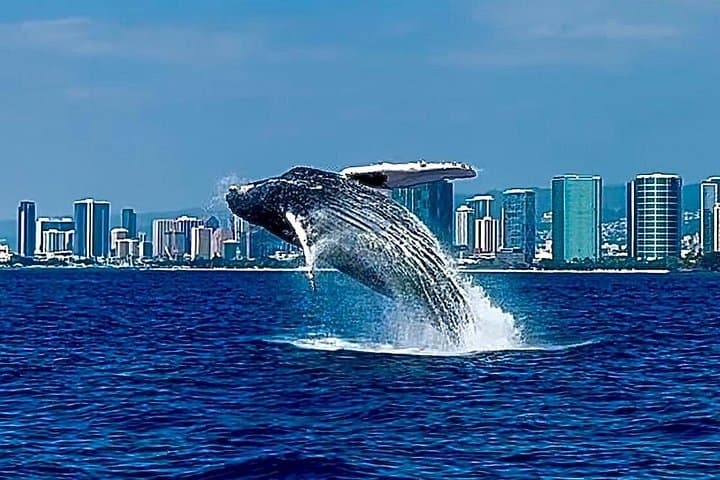
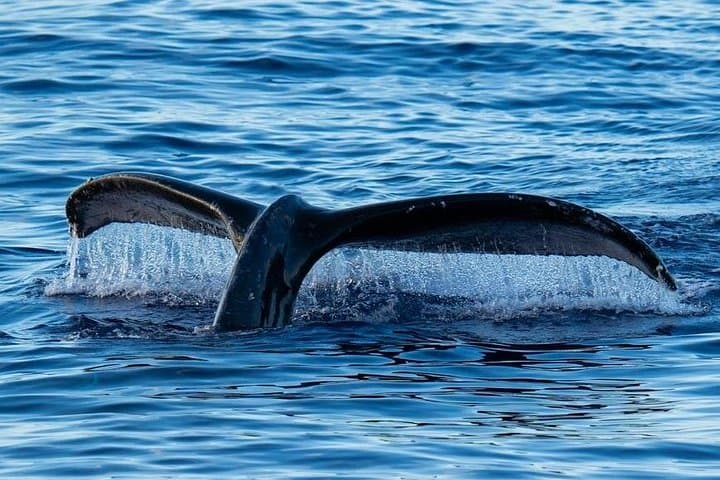
You step onto the stern as the harbor loosens its grip, the skyline of Waikiki flattening into a ribbon of hotels while the Pacific opens like a challenge. Salt and diesel mix with the sharp sweetness of sea spray; gulls wheel above as the captain radios a sighting. Soon the ocean answers — a blow, a fluke, the sudden arc of a humpback breaching and slapping the water like a deliberate conversation.
You step onto the stern as the harbor loosens its grip, the skyline of Waikiki flattening into a ribbon of hotels while the Pacific opens like a challenge. Salt and diesel mix with the sharp sweetness of sea spray; gulls wheel above as the captain radios a sighting. Soon the ocean answers — a blow, a fluke, the sudden arc of a humpback breaching and slapping the water like a deliberate conversation.
Humpback whales (kohola) migrate here from Alaska each winter to breed and give birth, a behavior Hawaiian communities have observed for generations. Geologically, Oahu's fringing reefs and underwater shelves form shallow lungs where mother and calf can rest; the island’s volcanic backbone drops quickly to deeper channels where whales feed and travel.
Culturally, encounters are quiet affairs: guides blend marine science with local storytelling, explaining traditional respect for marine life and present-day protections. Expect education on NOAA viewing rules and the marine sanctuary that helps protect these giants.
Practically, tours run about 2.5 hours and leave from Kewalo Basin, a 10-minute drive from Waikiki with nearby parking and public transit. Morning runs favor active surface displays; sunset cruises pair whale-watching with Waikiki skyline light. Bring layered, windproof clothing, motion-sickness prevention, and a camera with a zoom lens. Boats allow food and beverages (no glass); service animals are permitted. Weather or low bookings may cancel trips — operators refund if you cancel at least 24 hours ahead. On deck you’ll feel the current pushing the hull, the ocean daring you to watch closely — and if a calf slips into view beside its mother, you’ll understand why people keep returning to this strip of Pacific coastline.