THE ADVENTURE COLLECTIVE® · Independent discovery and booking for outdoor travel

Step aboard from Ala Wai Harbor for a focused, two-hour whale watch off Waikiki. Expect expert narration, a hydrophone to hear whales, multi-level viewing and prime sightlines for humpback activity during the winter migration.
Step aboard from Ala Wai Harbor for a focused, two-hour whale watch off Waikiki. Expect expert narration, a hydrophone to hear whales, multi-level viewing and prime sightlines for humpback activity during the winter migration.
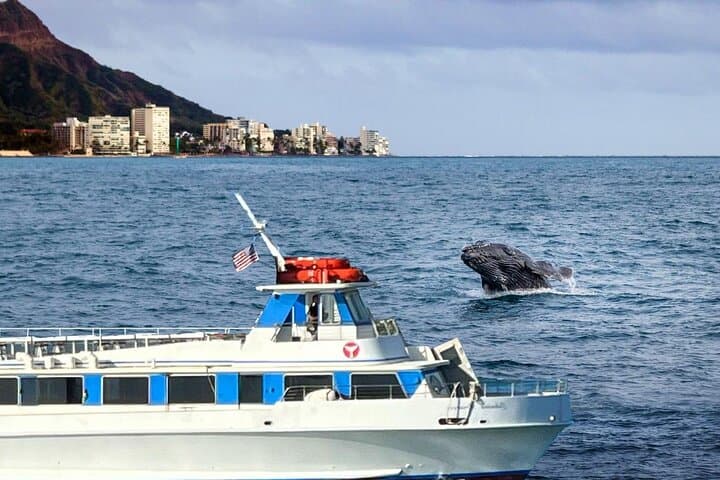
A short swell nudges the Lahaina Princess away from Slip 497 and Waikiki’s shoreline folds back into a wide blue. The city’s high-rises become a line on the horizon while the captain eases toward deeper water where humpback whales migrate each winter to breed and calve.
Verified experiences and guided adventures in the surrounding area.
Operated by Lahaina Cruise Company / Hawaii Ocean Project · Honolulu, Hawaii
A short swell nudges the Lahaina Princess away from Slip 497 and Waikiki’s shoreline folds back into a wide blue. The city’s high-rises become a line on the horizon while the captain eases toward deeper water where humpback whales migrate each winter to breed and calve.
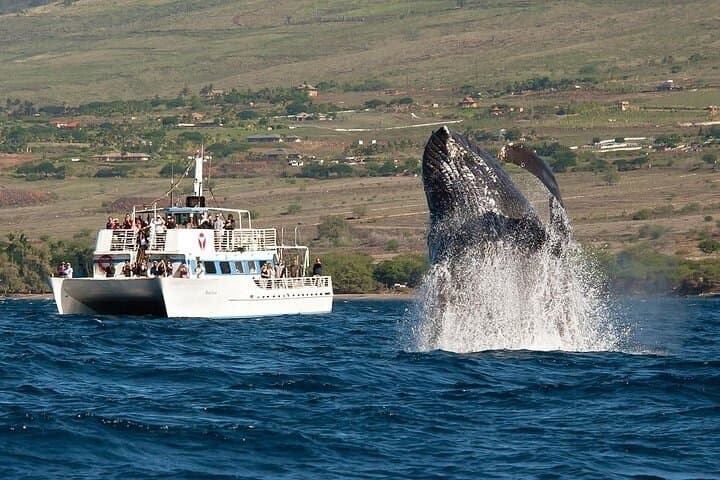
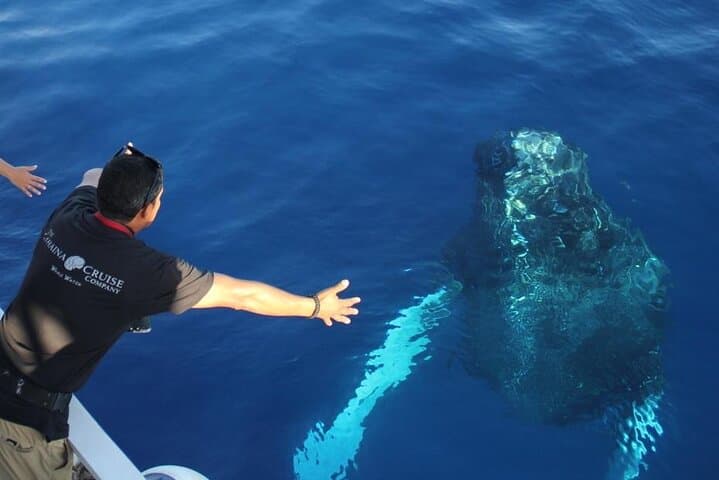
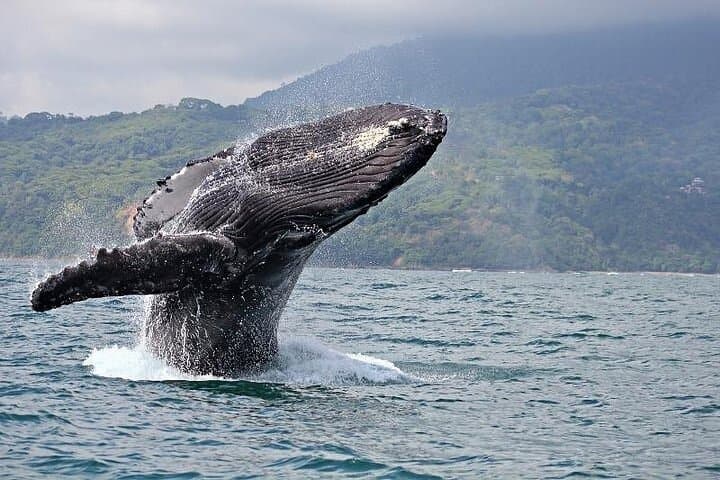
Humpback whales travel thousands of miles to Hawaiian waters; the islands are one of the species’ primary wintering grounds. From the deck you’ll watch flukes and breaches, and the crew will interpret tail slaps and directional changes. The boat’s multi-level design gives unbroken sightlines and the onboard hydrophone lets you hear the low, rolling calls beneath the surface — sound that turns distance into presence.
Geologically, Oahu’s south shore is shaped by the eroded remnants of volcanic activity; Diamond Head’s dormancy and the reef systems offshore set the scene for coastal currents that whales use during migration. Culturally, the sea around Honolulu has long been a place of navigation, fishing and stewardship — crews emphasize safe viewing distances and NOAA guidelines.
Practicalities: check in at Slip 497 (Ala Wai Boat Harbor) at least 30 minutes before departure. Tours run about two hours; dress in layers and bring sun protection and motion-sickness prevention if you’re prone to seasickness. Snacks and beverages can be brought aboard and purchases are available on the boat. Expect informative narration, shaded cabin seating, and the possibility of rougher seas depending on trade winds. Book early during December–April to secure a spot during peak whale season.
easy.
2 hours.
Suitable for most fitness levels — expect short periods of standing and stairs between decks; not wheelchair accessible.
Humpback whales are most commonly seen December through April, with peak activity often between January and March.
Yes — this vessel allows guests to bring snacks and alcoholic beverages, but bring ID for any BYOB alcohol and consume responsibly.
Tours operate in most weather conditions, but the operator may substitute routes or vessels or cancel for safety; refunds require 24‑hour notice for standard cancellations.
This tour is not wheelchair accessible; call the operator in advance to discuss any accessibility needs or potential accommodations.
The Ala Wai Canal, completed in the late 1920s, reshaped Waikiki’s shoreline and enabled development of Ala Wai Boat Harbor as a launch point for recreational and commercial vessels.
The tour follows NOAA safe‑distance guidelines and emphasizes low‑impact viewing; listening with a hydrophone encourages appreciation without approaching or disturbing animals.
Lahaina Cruise Company / Hawaii Ocean Project operates guided outdoor trips and adventures with an emphasis on safety, stewardship, and memorable experiences.
A short swell nudges the Lahaina Princess away from Slip 497 and Waikiki’s shoreline folds back into a wide blue. The city’s high-rises become a line on the horizon while the captain eases toward deeper water where humpback whales migrate each winter to breed and calve.
A short swell nudges the Lahaina Princess away from Slip 497 and Waikiki’s shoreline folds back into a wide blue. The city’s high-rises become a line on the horizon while the captain eases toward deeper water where humpback whales migrate each winter to breed and calve.
Humpback whales travel thousands of miles to Hawaiian waters; the islands are one of the species’ primary wintering grounds. From the deck you’ll watch flukes and breaches, and the crew will interpret tail slaps and directional changes. The boat’s multi-level design gives unbroken sightlines and the onboard hydrophone lets you hear the low, rolling calls beneath the surface — sound that turns distance into presence.
Geologically, Oahu’s south shore is shaped by the eroded remnants of volcanic activity; Diamond Head’s dormancy and the reef systems offshore set the scene for coastal currents that whales use during migration. Culturally, the sea around Honolulu has long been a place of navigation, fishing and stewardship — crews emphasize safe viewing distances and NOAA guidelines.
Practicalities: check in at Slip 497 (Ala Wai Boat Harbor) at least 30 minutes before departure. Tours run about two hours; dress in layers and bring sun protection and motion-sickness prevention if you’re prone to seasickness. Snacks and beverages can be brought aboard and purchases are available on the boat. Expect informative narration, shaded cabin seating, and the possibility of rougher seas depending on trade winds. Book early during December–April to secure a spot during peak whale season.