THE ADVENTURE COLLECTIVE® · Independent discovery and booking for outdoor travel

A six-hour, guide-led circuit of Oahu that stitches together surf, cliff, valley and shore for a compact primer on the island. Expect dramatic viewpoints, North Shore surf lore, macadamia tastings and practical local tips for swimming and photography.
A six-hour, guide-led circuit of Oahu that stitches together surf, cliff, valley and shore for a compact primer on the island. Expect dramatic viewpoints, North Shore surf lore, macadamia tastings and practical local tips for swimming and photography.
You step aboard a comfortable jeep outfitted for sightseeing, the city of Waikiki shrinking behind you as the guide’s voice threads history and local jokes into the hum of the engine. Rain slicks the sugarcane fields; the ocean flashes on the horizon like a promise. Over the next six hours the island unfurls — jagged ridgelines, a Pali cliff that howls, world-class surf that devours any pretense of calm — and your guide choreographs the stops so the island feels less like a map and more like a living route.
Verified experiences and guided adventures in the surrounding area.
Operated by Secret Hawaii Tours · Honolulu, Hawaii
You step aboard a comfortable jeep outfitted for sightseeing, the city of Waikiki shrinking behind you as the guide’s voice threads history and local jokes into the hum of the engine. Rain slicks the sugarcane fields; the ocean flashes on the horizon like a promise. Over the next six hours the island unfurls — jagged ridgelines, a Pali cliff that howls, world-class surf that devours any pretense of calm — and your guide choreographs the stops so the island feels less like a map and more like a living route.
Geology and history ride shotgun. Oahu is a composite island: the ancient Koolau and Waianae volcanic ranges that tilted and eroded into valleys, ridgelines and reef-fringed coasts. At the Nuuanu Pali Lookout, you stand where the wind still seems to remember the Battle of Nuuanu in 1795, when Kamehameha I forced rivals over the cliff and welded the island under a single ruler. On the North Shore, red volcanic soil gives way to white sand and surf peaks that shaped a global surfing culture; in the valleys, former plantation lands now host macadamia groves and coffee orchards, markers of the island’s later economic history.
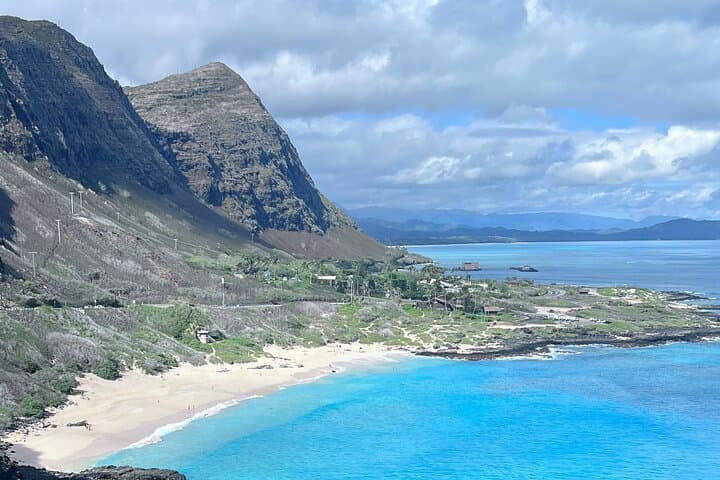
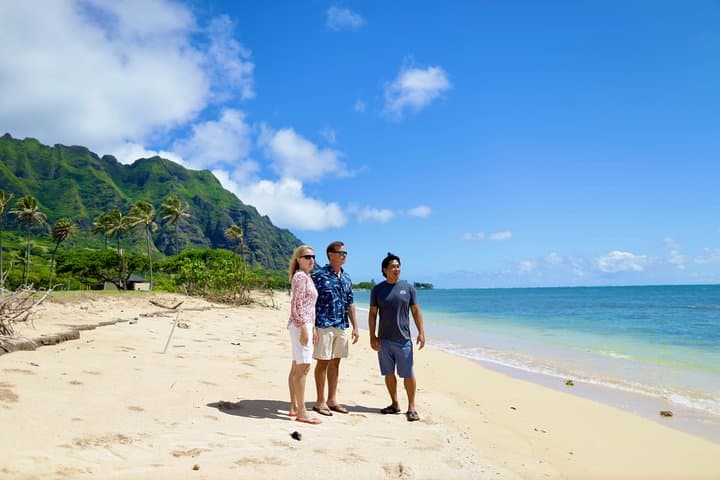
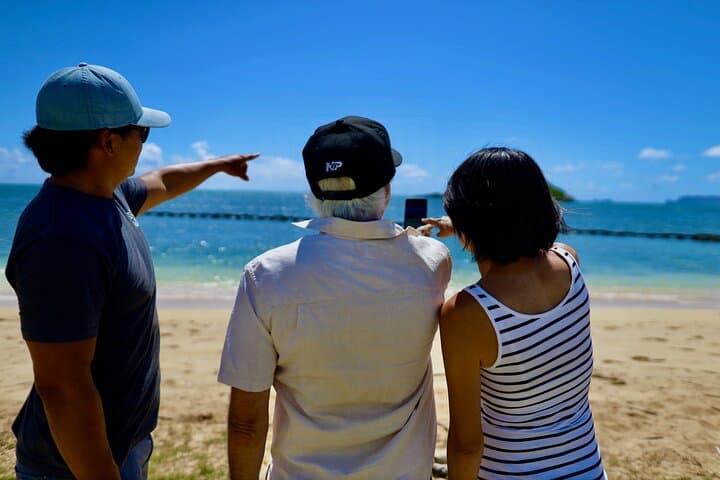
The itinerary is practical and varied: a Waikiki overlook to set the scene; Waimea Bay and Ehukai (popularly called Banzai Pipeline) for winter swells and summer calm; Shark’s Cove for its tide pools and snorkeling in calm months; a stop at Tropical Farms for macadamia tastings; Lāʻie Point for dramatic coastline views; and Mokoliʻi (Chinaman’s Hat) visible offshore. The guide provides water, snacks and local context — not a parade of photo ops, but a sequence built to feel like a coherent day on Oahu.
For travelers, timing is everything. Winter months (Nov–Feb) deliver enormous waves on the North Shore — thrilling to watch but dangerous to swim. Summer offers calmer water and better snorkeling at coves like Shark’s, but also stronger midday sun. Dress in breathable layers, carry reef-safe sunscreen, and plan to change into swimwear if you want a quick dip. Pickup is typically from Honolulu/Waikiki and the tour lasts around six hours; groups are small and the guide handles logistics, including local recommendations if you want to linger after the tour.
Practical edge: bring a compact rain jacket, a daypack with water refill capacity, a phone or camera with a wide-angle lens for landscapes, and some cash for market purchases. Respect private property at vantage points, and use reef-safe products when entering marine areas — the coral and the turtles are part of what keeps Oahu’s coastline alive. By day’s end the island stops feeling like a straight list of attractions and starts to act like a place you could return to — already familiar, and still full of corners left to explore.
easy.
6 hours.
Suitable for all fitness levels; mostly seated driving with short on-foot viewpoints and light walking
The tour runs approximately 6 hours (360 minutes) and includes multiple short stops around the island.
Yes—pickup is offered from Honolulu/Waikiki and nearby ports/airports; you’ll receive your guide’s contact details before departure.
Swimming is optional and depends on conditions; snorkeling gear is not included—check with the operator if you want to bring or rent equipment.
Yes—rated suitable for all fitness levels; expect short walks and mostly seated travel between stops.
The tour includes a local guide, bottled water, snacks and some local tastings (e.g., macadamia samples).
Full refund if canceled at least 24 hours before departure; tours may be canceled for bad weather or insufficient travelers.
Oahu’s landscape was shaped by two main volcanoes (Koolau and Waianae); the island’s modern cultural mix formed around Hawaiian chiefs, then plantation-era labor and 20th-century tourism.
Use reef-safe sunscreen, avoid touching coral or sea turtles, and follow local signage—coastal areas balance heavy visitor use with fragile marine ecosystems.
Secret Hawaii Tours operates guided outdoor trips and adventures with an emphasis on safety, stewardship, and memorable experiences.
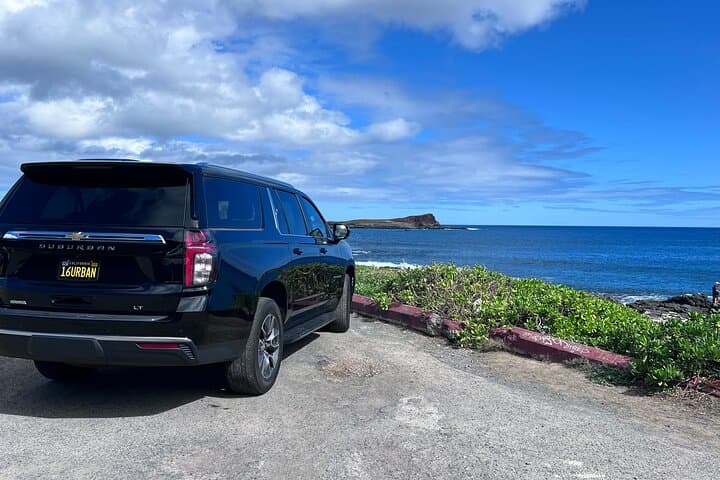
You step aboard a comfortable jeep outfitted for sightseeing, the city of Waikiki shrinking behind you as the guide’s voice threads history and local jokes into the hum of the engine. Rain slicks the sugarcane fields; the ocean flashes on the horizon like a promise. Over the next six hours the island unfurls — jagged ridgelines, a Pali cliff that howls, world-class surf that devours any pretense of calm — and your guide choreographs the stops so the island feels less like a map and more like a living route.
You step aboard a comfortable jeep outfitted for sightseeing, the city of Waikiki shrinking behind you as the guide’s voice threads history and local jokes into the hum of the engine. Rain slicks the sugarcane fields; the ocean flashes on the horizon like a promise. Over the next six hours the island unfurls — jagged ridgelines, a Pali cliff that howls, world-class surf that devours any pretense of calm — and your guide choreographs the stops so the island feels less like a map and more like a living route.
Geology and history ride shotgun. Oahu is a composite island: the ancient Koolau and Waianae volcanic ranges that tilted and eroded into valleys, ridgelines and reef-fringed coasts. At the Nuuanu Pali Lookout, you stand where the wind still seems to remember the Battle of Nuuanu in 1795, when Kamehameha I forced rivals over the cliff and welded the island under a single ruler. On the North Shore, red volcanic soil gives way to white sand and surf peaks that shaped a global surfing culture; in the valleys, former plantation lands now host macadamia groves and coffee orchards, markers of the island’s later economic history.
The itinerary is practical and varied: a Waikiki overlook to set the scene; Waimea Bay and Ehukai (popularly called Banzai Pipeline) for winter swells and summer calm; Shark’s Cove for its tide pools and snorkeling in calm months; a stop at Tropical Farms for macadamia tastings; Lāʻie Point for dramatic coastline views; and Mokoliʻi (Chinaman’s Hat) visible offshore. The guide provides water, snacks and local context — not a parade of photo ops, but a sequence built to feel like a coherent day on Oahu.
For travelers, timing is everything. Winter months (Nov–Feb) deliver enormous waves on the North Shore — thrilling to watch but dangerous to swim. Summer offers calmer water and better snorkeling at coves like Shark’s, but also stronger midday sun. Dress in breathable layers, carry reef-safe sunscreen, and plan to change into swimwear if you want a quick dip. Pickup is typically from Honolulu/Waikiki and the tour lasts around six hours; groups are small and the guide handles logistics, including local recommendations if you want to linger after the tour.
Practical edge: bring a compact rain jacket, a daypack with water refill capacity, a phone or camera with a wide-angle lens for landscapes, and some cash for market purchases. Respect private property at vantage points, and use reef-safe products when entering marine areas — the coral and the turtles are part of what keeps Oahu’s coastline alive. By day’s end the island stops feeling like a straight list of attractions and starts to act like a place you could return to — already familiar, and still full of corners left to explore.