THE ADVENTURE COLLECTIVE® · Independent discovery and booking for outdoor travel

Spend a half day away from Waikiki crowds exploring Oʻahu’s sacred and historic sites—Makapuʻu lookout, Byodo-in Temple, Heʻeia fishpond and more—guided by a local storyteller. This small-group tour pairs geology, legend and living culture in accessible stops across the island’s south, central and east shores.
Spend a half day away from Waikiki crowds exploring Oʻahu’s sacred and historic sites—Makapuʻu lookout, Byodo-in Temple, Heʻeia fishpond and more—guided by a local storyteller. This small-group tour pairs geology, legend and living culture in accessible stops across the island’s south, central and east shores.
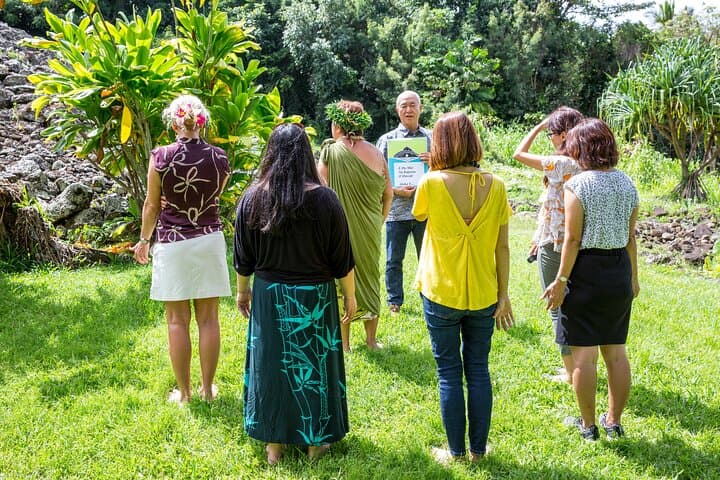
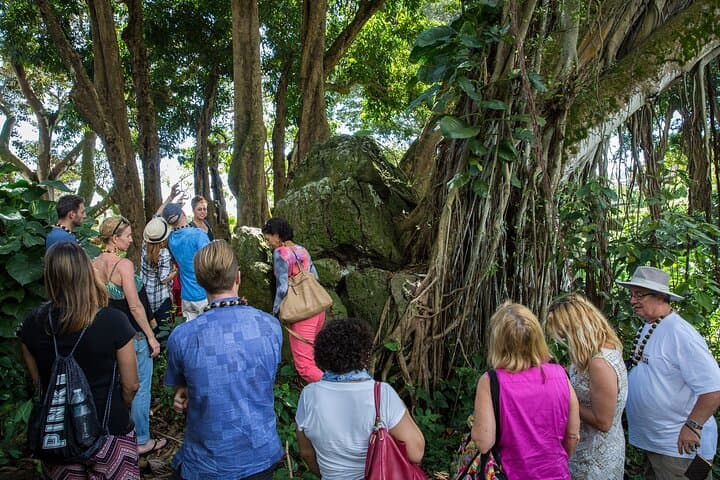
You meet under a broad banyan tree at the entrance to Honolulu Zoo and, within minutes, the city loosens its grip. The van hums away from Waikiki traffic and the island’s contours—steel-grey reef, jagged Koʻolau ridgeline—begin to rearrange themselves outside the windows. The guide, local and fluent with stories, sets the tone: this is not a checklist of photo ops but a tour of places that hold memory—shrines of chiefs, a transplanted temple, tidal fishponds that still remember how to breathe.
Verified experiences and guided adventures in the surrounding area.
Operated by Spiritual Tours Hawaii · Honolulu, Hawaii
You meet under a broad banyan tree at the entrance to Honolulu Zoo and, within minutes, the city loosens its grip. The van hums away from Waikiki traffic and the island’s contours—steel-grey reef, jagged Koʻolau ridgeline—begin to rearrange themselves outside the windows. The guide, local and fluent with stories, sets the tone: this is not a checklist of photo ops but a tour of places that hold memory—shrines of chiefs, a transplanted temple, tidal fishponds that still remember how to breathe.
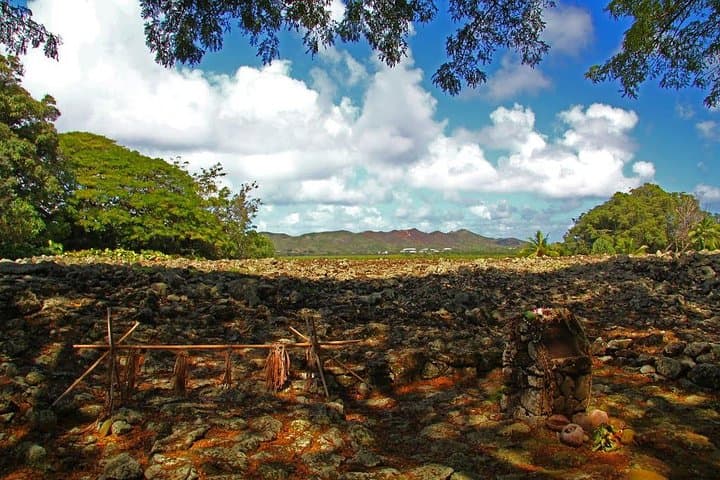
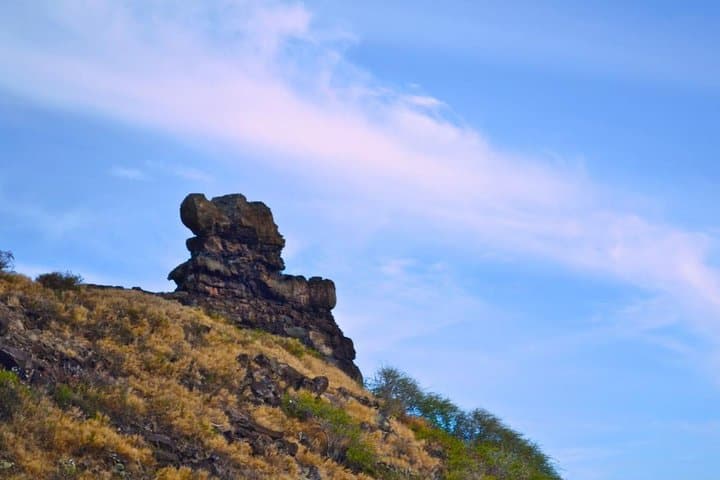
Stops are brisk and deliberate: Makapuʻu lookout, where the wind seems to push you forward toward the Pacific; Kakaʻako Waterfront Park, with its surf-carved cliffs and the whales chamber spiral; Valley of the Temples and the serene Byodo-in replica tracing Japanese-Hawaiian history; Heʻeia State Park and the island’s oldest fishpond, which still whispers of ancient aquaculture; and small sacred enclosures where the land keeps time differently. Each site is compact—15 to 25 minutes—so the feel is like reading a focused, layered essay rather than a long hike.
Geology and culture intersect on this route. The Koʻolau Mountains are an eroded volcanic caldera, their windward slopes fed by trade winds that sculpt fresh valleys and ancient lo‘i (taro terraces). Human stories are equally old: legends of menehune and aliʻi (high chiefs) sit alongside the later arrival of Japanese immigrants commemorated by Byodo-in. Guides frame each stop with practical lore—how fishpond walls were engineered to hold specific tides, or why certain stones are protected—bringing a living archaeology to the roadside.
Practicalities matter: expect five to six stops over roughly 5–6 hours, with short walks on paved or boardwalk surfaces and minimal elevation change at each viewpoint. The tour is accessible—vehicles and sites accommodate wheelchairs—and bottled water is provided. Dress smart-casual but for the elements: sun, gusts and the chance of brief showers. Leave room in your day for traffic and the small local rituals that slow everything down—removing hats at sacred sites, a quiet moment of respect at memorials.
This half-day is best for travelers who want context and calm: photographers who prefer intimate framing over sweeping panoramas, history-minded explorers, and anyone curious about how living culture reads the land. It’s a compact education in Oʻahu’s human and physical landscape delivered with Aloha and a clear sense of place.
easy.
5–6 hours.
Suitable for most fitness levels—tour involves short, mostly flat walks and time spent standing at lookouts.
Yes, hotel pickups commence before the meeting time but you must contact the local operator to confirm your exact pickup window.
Most stops and the transportation are wheelchair accessible; however, some vantage points may have short uneven sections—check with the operator if you need specific accommodations.
Expect 5–6 stops with short walks of 5–25 minutes each; no long hikes are required and elevation changes are minimal at the viewpoints.
The tour notes landing and facility fees and a fuel surcharge among inclusions; specific paid admissions are generally not required for the listed stops.
This tour’s minimum age is 18 years, so it is designed for adults only.
Tipping is customary for good service; bring cash or be prepared to tip at the end of the tour.
Sites on this route reflect layers of settlement—from ancient aliʻi and menehune legends to 19th-century plantation and immigrant histories, including the Byodo-in’s link to Japanese-Hawaiian communities.
Heʻeia fishpond restoration is an active community effort; visitors should stay on boardwalks and follow guide instructions to protect fragile loʻi and shoreline habitats.
Spiritual Tours Hawaii operates guided outdoor trips and adventures with an emphasis on safety, stewardship, and memorable experiences.
You meet under a broad banyan tree at the entrance to Honolulu Zoo and, within minutes, the city loosens its grip. The van hums away from Waikiki traffic and the island’s contours—steel-grey reef, jagged Koʻolau ridgeline—begin to rearrange themselves outside the windows. The guide, local and fluent with stories, sets the tone: this is not a checklist of photo ops but a tour of places that hold memory—shrines of chiefs, a transplanted temple, tidal fishponds that still remember how to breathe.
You meet under a broad banyan tree at the entrance to Honolulu Zoo and, within minutes, the city loosens its grip. The van hums away from Waikiki traffic and the island’s contours—steel-grey reef, jagged Koʻolau ridgeline—begin to rearrange themselves outside the windows. The guide, local and fluent with stories, sets the tone: this is not a checklist of photo ops but a tour of places that hold memory—shrines of chiefs, a transplanted temple, tidal fishponds that still remember how to breathe.
Stops are brisk and deliberate: Makapuʻu lookout, where the wind seems to push you forward toward the Pacific; Kakaʻako Waterfront Park, with its surf-carved cliffs and the whales chamber spiral; Valley of the Temples and the serene Byodo-in replica tracing Japanese-Hawaiian history; Heʻeia State Park and the island’s oldest fishpond, which still whispers of ancient aquaculture; and small sacred enclosures where the land keeps time differently. Each site is compact—15 to 25 minutes—so the feel is like reading a focused, layered essay rather than a long hike.
Geology and culture intersect on this route. The Koʻolau Mountains are an eroded volcanic caldera, their windward slopes fed by trade winds that sculpt fresh valleys and ancient lo‘i (taro terraces). Human stories are equally old: legends of menehune and aliʻi (high chiefs) sit alongside the later arrival of Japanese immigrants commemorated by Byodo-in. Guides frame each stop with practical lore—how fishpond walls were engineered to hold specific tides, or why certain stones are protected—bringing a living archaeology to the roadside.
Practicalities matter: expect five to six stops over roughly 5–6 hours, with short walks on paved or boardwalk surfaces and minimal elevation change at each viewpoint. The tour is accessible—vehicles and sites accommodate wheelchairs—and bottled water is provided. Dress smart-casual but for the elements: sun, gusts and the chance of brief showers. Leave room in your day for traffic and the small local rituals that slow everything down—removing hats at sacred sites, a quiet moment of respect at memorials.
This half-day is best for travelers who want context and calm: photographers who prefer intimate framing over sweeping panoramas, history-minded explorers, and anyone curious about how living culture reads the land. It’s a compact education in Oʻahu’s human and physical landscape delivered with Aloha and a clear sense of place.