THE ADVENTURE COLLECTIVE® · Independent discovery and booking for outdoor travel

Spend an afternoon traveling Waikiki to the North Shore: Koʻolau Range lookouts, macadamia samples, Mokoli‘i viewpoints, Sunset Beach surf, Haleiwa charm and the Dole Plantation. This half-day loop delivers geology, local flavors and surf culture with practical tips for first-time visitors.
Spend an afternoon traveling Waikiki to the North Shore: Koʻolau Range lookouts, macadamia samples, Mokoli‘i viewpoints, Sunset Beach surf, Haleiwa charm and the Dole Plantation. This half-day loop delivers geology, local flavors and surf culture with practical tips for first-time visitors.
The van hums out of Waikiki just after noon and the city loosens its hold. In under an hour the skyline thins, replaced by the Koʻolau Range’s steep green walls, ancient lava cliffs that seem to push the sky aside. Passengers press faces to windows as the coastline opens—first the bay dotted with small islands, then the steady pulse of surf at Sunset Beach where waves read you like weathered pages.
Verified experiences and guided adventures in the surrounding area.
Operated by Jupiter Legend Corporation · Haleiwa, Hawaii
The van hums out of Waikiki just after noon and the city loosens its hold. In under an hour the skyline thins, replaced by the Koʻolau Range’s steep green walls, ancient lava cliffs that seem to push the sky aside. Passengers press faces to windows as the coastline opens—first the bay dotted with small islands, then the steady pulse of surf at Sunset Beach where waves read you like weathered pages.
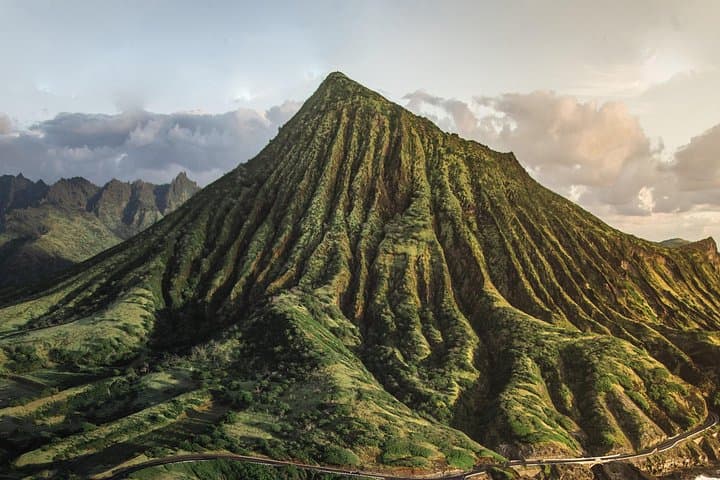
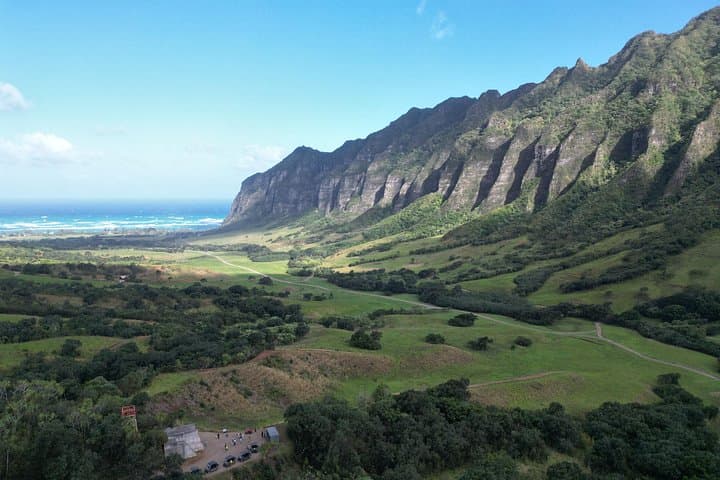
This is a tour built for the essentials: coastal geology, plantation-era culture and the North Shore’s surf-driven personality. The Koʻolau Range, the backbone of east Oʻahu, is the fluted remnant of a massive shield volcano that began rising millions of years ago; its sharp ridgelines and wind-carved valleys create the dramatic backdrops you’ll see from lookout stops. Agriculture threads into that story—Dole Plantation is not just a photo stop but a chapter in Oʻahu’s pineapple boom and the plantation economy that reshaped island life.
Between geological context and cultural footnotes, the trip lets you taste the island: a brief stop at a macadamia nut outlet for samples and coffee, a drive-through of Haleiwa’s plantation-era storefronts, and time on the North Shore to walk the sand or watch surfers tackle waves that grow in size and reputation each winter.
Practicalities matter on a half-day sweep like this. The schedule runs roughly 12:15–18:30 with free pick-up and drop-off in Waikiki—confirm the meeting time the day before. Expect short stops (10–20 minutes) at key points: the macadamia outlet, a Mokoli‘i viewpoint, Haleiwa pass-by and the Dole Plantation. If you want a fuller experience—like a hike to Mokoli‘i’s summit or a maze run at Dole—allow for extra time outside the tour.
Safety and respect are straightforward: Sunset Beach is spectacular but powerful—if the surf looks big, keep to the shore. Reef-safe sunscreen and a reusable water bottle reduce environmental impact; bring cash if you plan to sample shrimp trucks in Kahuku. Comfortable shoes are a must—the tour includes short walks on gravel or sandy paths.
This is an efficient primer on Oʻahu’s North Shore—ideal for travelers with limited time who want geology, surf culture, plantation history and local flavors in one practical afternoon. It’s a good first look that points to places you’ll want to return to on your own schedule.
easy.
5–6.5 hours.
Suitable for travelers of average fitness; involves short walks and some stairs or uneven ground at viewpoints.
The tour runs about 6–6.5 hours, typically departing in early afternoon (around 12:15–12:30) with return to Waikiki in the evening.
No—meals and snacks like shrimp trucks and plantation treats are at your own expense; bring cash for faster service.
The tour stops at viewpoints; accessing Mokoli‘i (Chinaman’s Hat) requires low-tide crossing or kayak—plan a separate trip if you want to land and hike the small island.
Infants and small children may use strollers on the bus, but booster-seat rules apply for road travel; check with the operator in advance.
Bring swimwear, towel, reef-safe sunscreen, water and a change of clothes if you plan to enter the water—conditions vary by beach.
Wheelchair-accessible buses are not guaranteed without prior approval—contact the operator ahead of booking to discuss accommodations.
The North Shore’s plantations and fishing communities shaped modern Oʻahu—Dole’s pineapple operations and 19th-century sugar agriculture transformed both landscape and labor on the island.
Visitors are encouraged to use reef-safe sunscreen, avoid touching or stepping on coral, and support local vendors to keep economic benefits on-island.
Jupiter Legend Corporation operates guided outdoor trips and adventures with an emphasis on safety, stewardship, and memorable experiences.

The van hums out of Waikiki just after noon and the city loosens its hold. In under an hour the skyline thins, replaced by the Koʻolau Range’s steep green walls, ancient lava cliffs that seem to push the sky aside. Passengers press faces to windows as the coastline opens—first the bay dotted with small islands, then the steady pulse of surf at Sunset Beach where waves read you like weathered pages.
The van hums out of Waikiki just after noon and the city loosens its hold. In under an hour the skyline thins, replaced by the Koʻolau Range’s steep green walls, ancient lava cliffs that seem to push the sky aside. Passengers press faces to windows as the coastline opens—first the bay dotted with small islands, then the steady pulse of surf at Sunset Beach where waves read you like weathered pages.
This is a tour built for the essentials: coastal geology, plantation-era culture and the North Shore’s surf-driven personality. The Koʻolau Range, the backbone of east Oʻahu, is the fluted remnant of a massive shield volcano that began rising millions of years ago; its sharp ridgelines and wind-carved valleys create the dramatic backdrops you’ll see from lookout stops. Agriculture threads into that story—Dole Plantation is not just a photo stop but a chapter in Oʻahu’s pineapple boom and the plantation economy that reshaped island life.
Between geological context and cultural footnotes, the trip lets you taste the island: a brief stop at a macadamia nut outlet for samples and coffee, a drive-through of Haleiwa’s plantation-era storefronts, and time on the North Shore to walk the sand or watch surfers tackle waves that grow in size and reputation each winter.
Practicalities matter on a half-day sweep like this. The schedule runs roughly 12:15–18:30 with free pick-up and drop-off in Waikiki—confirm the meeting time the day before. Expect short stops (10–20 minutes) at key points: the macadamia outlet, a Mokoli‘i viewpoint, Haleiwa pass-by and the Dole Plantation. If you want a fuller experience—like a hike to Mokoli‘i’s summit or a maze run at Dole—allow for extra time outside the tour.
Safety and respect are straightforward: Sunset Beach is spectacular but powerful—if the surf looks big, keep to the shore. Reef-safe sunscreen and a reusable water bottle reduce environmental impact; bring cash if you plan to sample shrimp trucks in Kahuku. Comfortable shoes are a must—the tour includes short walks on gravel or sandy paths.
This is an efficient primer on Oʻahu’s North Shore—ideal for travelers with limited time who want geology, surf culture, plantation history and local flavors in one practical afternoon. It’s a good first look that points to places you’ll want to return to on your own schedule.