THE ADVENTURE COLLECTIVE® · Independent discovery and booking for outdoor travel

A full-day loop around Oʻahu from Waikiki that pairs Pearl Harbor’s solemn landmarks with the island’s coastal high points — Halona Blowhole, North Shore surf, shrimp trucks and a beginner-friendly snorkeling stop. Expect history, geology, and local flavors on a guided 10–11 hour tour.
A full-day loop around Oʻahu from Waikiki that pairs Pearl Harbor’s solemn landmarks with the island’s coastal high points — Halona Blowhole, North Shore surf, shrimp trucks and a beginner-friendly snorkeling stop. Expect history, geology, and local flavors on a guided 10–11 hour tour.
The day begins before the sun has climbed high over Waikiki. A coach pulls away from the reef-lined hotels and the city’s hum gives way to ocean wind and a guide’s low, practiced narration. You feel the island stretch out — a braided shoreline that alternates between surf-pounded cliffs and sugarcane flats — and the itinerary marches like a map come alive: historic Pearl Harbor, the blowhole and coves of the southeast coast, shrimp trucks and the raw surf of the North Shore.
Verified experiences and guided adventures in the surrounding area.
Operated by Pearl Harbor Oahu · Honolulu, Hawaii
The day begins before the sun has climbed high over Waikiki. A coach pulls away from the reef-lined hotels and the city’s hum gives way to ocean wind and a guide’s low, practiced narration. You feel the island stretch out — a braided shoreline that alternates between surf-pounded cliffs and sugarcane flats — and the itinerary marches like a map come alive: historic Pearl Harbor, the blowhole and coves of the southeast coast, shrimp trucks and the raw surf of the North Shore.
The tour reads like a condensed history of Oʻahu. At Pearl Harbor, steel and water keep watch: the USS Arizona Memorial and the Missouri frame the Pacific War’s turning points, while the Pacific Aviation Museum reconstructs the era’s airborne theater. Inland, monuments such as Punchbowl honor Hawaii’s military and immigrant stories; on the coast, the land remembers a much older geology. Halona Blowhole, a dramatic demonstration of lava tubes and sea surge, was shaped when molten rock met ocean, carving tubes that now force seawater into sudden, salty geysers.
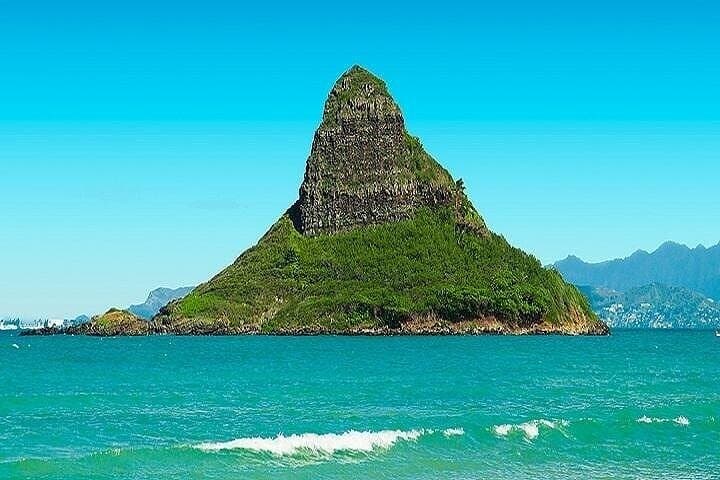
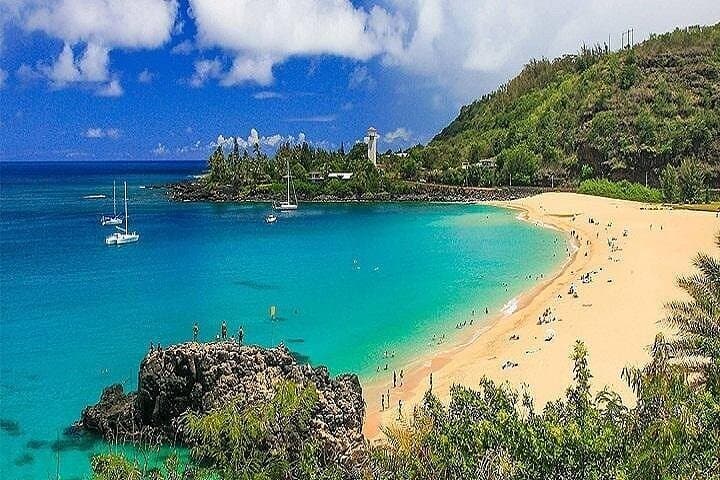
Culture arrives on the palate. Stops at Leonard’s Bakery and roadside shrimp stands are less indulgence and more lesson — Portuguese malasadas and garlic shrimp plates are markers of immigration, plantation life and local creativity. Kualoa’s view of Mokolii (Chinaman’s Hat) ties cinematic Hawaiʻi to real islands that were once landing places for voyagers. Along the North Shore you watch surfers read waves that swell the winter horizon; in summer the same reefs offer calm bays for shallow snorkeling.
Practical details are straightforward. The tour is a full day — about 10 to 11 hours — with hotel pickup in Waikiki, all admissions for Pearl Harbor sites, and a guided driving loop around the island. Wear reef-safe sunscreen, bring cash for roadside stands and tips, and pack a towel if you plan to snorkel. The boat-free snorkeling stop is shallow and beginner-friendly and guides supply narration and equipment; still, those prone to motion sickness should plan accordingly.
Expect a pace of short walks, photo stops and one-hour snacking windows. Bring layered clothing — mornings can be humid and breezy, later inland it gets hot under the sun. Respect wildlife guidelines at Laniakea and other beaches: turtles are protected and mustn’t be approached. If history and shoreline vistas are what you want, this tour combines them with the ease of an air-conditioned coach and the local context that turns scenery into story.
By day’s end you return to Waikiki with sand in your shoes and a clearer sense of how Oʻahu’s natural forces and human histories have braided together into the coastline you just circled.
moderate.
10–11 hours.
Light-to-moderate fitness; comfortable boarding a coach and doing short walks and stair steps at memorials and viewpoints.
Yes — preferred ticketing to the USS Arizona Memorial and related Pearl Harbor sites are included in the tour price.
No — snorkeling equipment use is included, though you may prefer to bring your own mask for fit and comfort.
Meals are not included; the tour stops at roadside shrimp trucks and fruit stands where you can buy lunch (cash preferred).
Yes — pickup and drop‑off in the Waikiki area are included; airport pickups are arranged at certain terminals per instructions.
Sea turtles are commonly seen at Laniakea (turtle beach); whales are seasonal (mostly winter months) and may be visible offshore at certain stops.
Full refunds are available if you cancel at least 24 hours before departure; weather or insufficient travelers may also cancel the trip.
The tour ties modern Hawaiʻi to WWII history — Pearl Harbor’s memorials mark the 1941 attack and the larger American Pacific theater, while Honolulu’s Punchbowl Cemetery honors military and immigrant narratives.
Much of Oʻahu’s north shore is within marine conservation districts; visitors are asked to use reef‑safe sun care, avoid touching marine life, and pack out trash to protect reef ecosystems.
Pearl Harbor Oahu operates guided outdoor trips and adventures with an emphasis on safety, stewardship, and memorable experiences.
The day begins before the sun has climbed high over Waikiki. A coach pulls away from the reef-lined hotels and the city’s hum gives way to ocean wind and a guide’s low, practiced narration. You feel the island stretch out — a braided shoreline that alternates between surf-pounded cliffs and sugarcane flats — and the itinerary marches like a map come alive: historic Pearl Harbor, the blowhole and coves of the southeast coast, shrimp trucks and the raw surf of the North Shore.
The day begins before the sun has climbed high over Waikiki. A coach pulls away from the reef-lined hotels and the city’s hum gives way to ocean wind and a guide’s low, practiced narration. You feel the island stretch out — a braided shoreline that alternates between surf-pounded cliffs and sugarcane flats — and the itinerary marches like a map come alive: historic Pearl Harbor, the blowhole and coves of the southeast coast, shrimp trucks and the raw surf of the North Shore.
The tour reads like a condensed history of Oʻahu. At Pearl Harbor, steel and water keep watch: the USS Arizona Memorial and the Missouri frame the Pacific War’s turning points, while the Pacific Aviation Museum reconstructs the era’s airborne theater. Inland, monuments such as Punchbowl honor Hawaii’s military and immigrant stories; on the coast, the land remembers a much older geology. Halona Blowhole, a dramatic demonstration of lava tubes and sea surge, was shaped when molten rock met ocean, carving tubes that now force seawater into sudden, salty geysers.
Culture arrives on the palate. Stops at Leonard’s Bakery and roadside shrimp stands are less indulgence and more lesson — Portuguese malasadas and garlic shrimp plates are markers of immigration, plantation life and local creativity. Kualoa’s view of Mokolii (Chinaman’s Hat) ties cinematic Hawaiʻi to real islands that were once landing places for voyagers. Along the North Shore you watch surfers read waves that swell the winter horizon; in summer the same reefs offer calm bays for shallow snorkeling.
Practical details are straightforward. The tour is a full day — about 10 to 11 hours — with hotel pickup in Waikiki, all admissions for Pearl Harbor sites, and a guided driving loop around the island. Wear reef-safe sunscreen, bring cash for roadside stands and tips, and pack a towel if you plan to snorkel. The boat-free snorkeling stop is shallow and beginner-friendly and guides supply narration and equipment; still, those prone to motion sickness should plan accordingly.
Expect a pace of short walks, photo stops and one-hour snacking windows. Bring layered clothing — mornings can be humid and breezy, later inland it gets hot under the sun. Respect wildlife guidelines at Laniakea and other beaches: turtles are protected and mustn’t be approached. If history and shoreline vistas are what you want, this tour combines them with the ease of an air-conditioned coach and the local context that turns scenery into story.
By day’s end you return to Waikiki with sand in your shoes and a clearer sense of how Oʻahu’s natural forces and human histories have braided together into the coastline you just circled.