THE ADVENTURE COLLECTIVE® · Independent discovery and booking for outdoor travel

Spend a day moving from the hush of Pearl Harbor to the bright geometry of Dole Plantation and the surf-charged North Shore. This full-day Oahu tour blends civic history, agricultural legacy and coastal spectacle into a single, navigable loop.
Spend a day moving from the hush of Pearl Harbor to the bright geometry of Dole Plantation and the surf-charged North Shore. This full-day Oahu tour blends civic history, agricultural legacy and coastal spectacle into a single, navigable loop.
The day starts before most of Waikiki wakes—air conditioning hums as the van slips onto H-1, palms bending in the predawn breeze that seems to push the island forward. By the time the sun clears the Koolau ridgeline, the group is at the Arizona Memorial, where the water holds a quiet, reflective tilt and the memorial slab floats like an answer to a long, complicated past.
Verified experiences and guided adventures in the surrounding area.
Operated by Dynamic Tour Maui · Honolulu, Hawaii
The day starts before most of Waikiki wakes—air conditioning hums as the van slips onto H-1, palms bending in the predawn breeze that seems to push the island forward. By the time the sun clears the Koolau ridgeline, the group is at the Arizona Memorial, where the water holds a quiet, reflective tilt and the memorial slab floats like an answer to a long, complicated past.
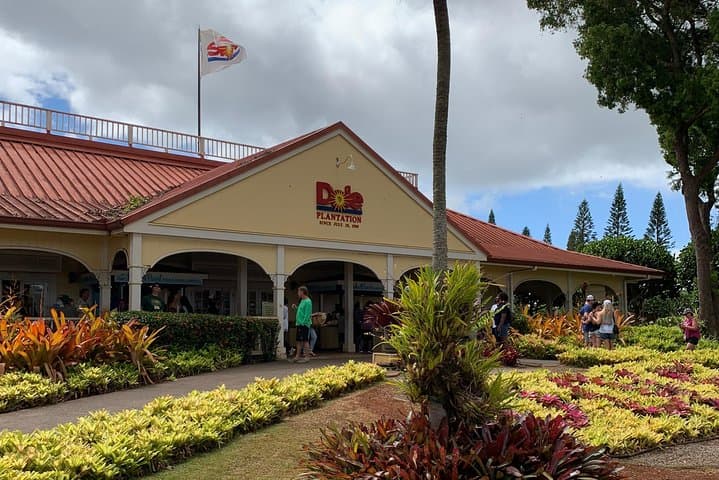
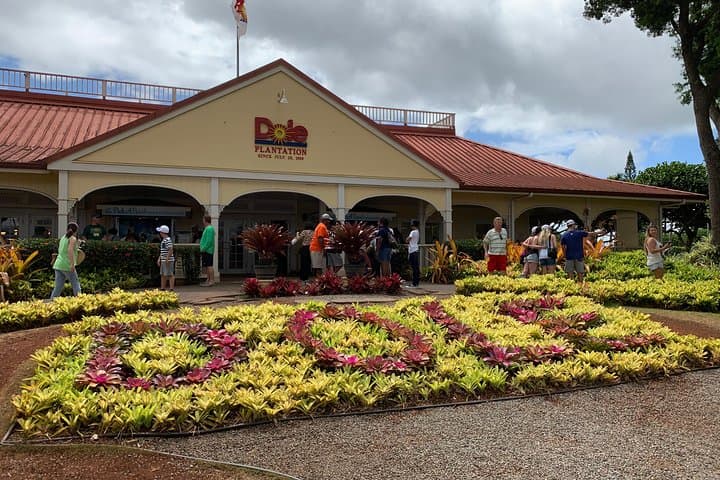
Guided tours of Oahu condense history, agriculture and surf in a single loop. Pearl Harbor opens the morning with a restrained, civic gravity: plaques, plaques’ shadows and the low ripple of the harbor that witnessed the Pacific War’s turning point. From there the tour moves inland—Dole Plantation’s acres of pineapple rows are flat, geometric and absurdly photogenic; the scent of compost and tropical fruit pulls at the senses and explains why pineapple became both an agricultural engine and a branding legend for Hawaii.
Geology and oceanography frame the North Shore stretch. The coastline is a demonstration of two oceans at work—calm blue in summer, and in winter the lineup dares anyone to imagine surfing as anything but an act of calculation. Haleiwa’s wooden storefronts and shave-ice counters provide a human counterpoint: local vendors, surfboard racks, and a lived-in pace that has outlasted tourism cycles.
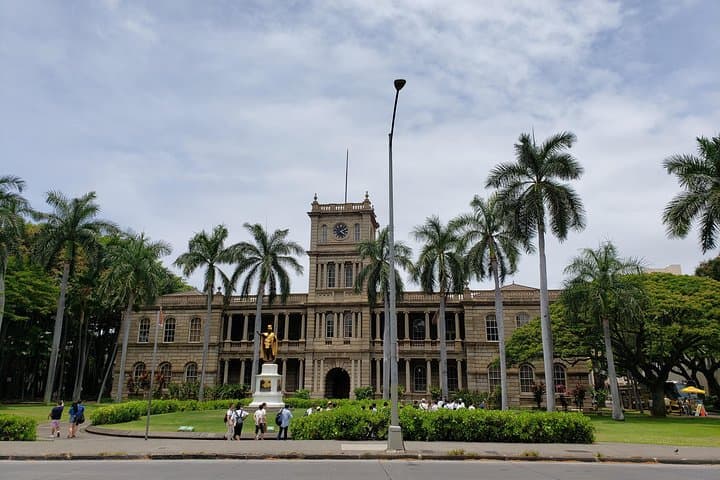
The tour is a practical primer on Hawaiian history as well: from Iolani Palace’s unusual status as the only royal palace on U.S. soil to the layers of sovereignty and cultural resilience visible in small monuments and street names. Guides typically thread these facts with local anecdotes—how pineapple wealth reshaped land use, or how surf culture repurposed beaches once reserved for ali‘i (chiefs).
Plan for seven hours of light activity—this is a sightseeing day with short, flat walks and plenty of sitting. Arizona Memorial access requires a separate timed ticket; book at recreation.gov for your preferred shuttle time. Wear comfortable walking shoes for paved promenades and short boardwalks, and bring a refillable water bottle; while bottled water and snacks are provided, refills keep plastic low and energy high.
Timing matters: mornings at Pearl Harbor feel more contemplative; late afternoon on the North Shore offers big light for photos and smaller crowds. Keep sunscreen within reach, carry a compact rain jacket (brief showers are common), and leave room in your day for unplanned stops—Haleiwa’s food trucks and a roadside look at a surf break can turn a checklist into a sequence of memorable moments.
easy.
6–7 hours.
Suitable for travelers of most fitness levels; involves standing during memorial visits and short walks of up to 0.5 miles.
Yes—Arizona Memorial shuttle and timed-entry tickets are purchased through recreation.gov; the tour requires you to book a specific time slot in advance.
The itinerary runs about 7 hours (420 minutes) with multiple short stops and two longer visits at Dole Plantation and Pearl Harbor.
Yes—pickup is provided from Waikiki-area hotels; confirm your pickup location by texting the operator at least one day before the tour.
Snacks and bottled water are included, but full meals are not—plan to purchase lunch on the North Shore or bring your own.
Yes—walks are short and terrain is flat; infants can ride in strollers but must sit on laps on some transport segments.
Light layers, breathable fabrics, and comfortable shoes; include sun protection and a compact rain jacket during wetter months.
The tour traces Hawaii’s 19th–20th century shifts—from monarchy to U.S. territory and statehood—visible in Iolani Palace, memorials and plantation architecture.
Many stops are on sensitive coastal and historic sites; follow marked paths, avoid touching marine life, and use reef-safe sunscreen to reduce impact.
Dynamic Tour Maui operates guided outdoor trips and adventures with an emphasis on safety, stewardship, and memorable experiences.
The day starts before most of Waikiki wakes—air conditioning hums as the van slips onto H-1, palms bending in the predawn breeze that seems to push the island forward. By the time the sun clears the Koolau ridgeline, the group is at the Arizona Memorial, where the water holds a quiet, reflective tilt and the memorial slab floats like an answer to a long, complicated past.
The day starts before most of Waikiki wakes—air conditioning hums as the van slips onto H-1, palms bending in the predawn breeze that seems to push the island forward. By the time the sun clears the Koolau ridgeline, the group is at the Arizona Memorial, where the water holds a quiet, reflective tilt and the memorial slab floats like an answer to a long, complicated past.
Guided tours of Oahu condense history, agriculture and surf in a single loop. Pearl Harbor opens the morning with a restrained, civic gravity: plaques, plaques’ shadows and the low ripple of the harbor that witnessed the Pacific War’s turning point. From there the tour moves inland—Dole Plantation’s acres of pineapple rows are flat, geometric and absurdly photogenic; the scent of compost and tropical fruit pulls at the senses and explains why pineapple became both an agricultural engine and a branding legend for Hawaii.
Geology and oceanography frame the North Shore stretch. The coastline is a demonstration of two oceans at work—calm blue in summer, and in winter the lineup dares anyone to imagine surfing as anything but an act of calculation. Haleiwa’s wooden storefronts and shave-ice counters provide a human counterpoint: local vendors, surfboard racks, and a lived-in pace that has outlasted tourism cycles.
The tour is a practical primer on Hawaiian history as well: from Iolani Palace’s unusual status as the only royal palace on U.S. soil to the layers of sovereignty and cultural resilience visible in small monuments and street names. Guides typically thread these facts with local anecdotes—how pineapple wealth reshaped land use, or how surf culture repurposed beaches once reserved for ali‘i (chiefs).
Plan for seven hours of light activity—this is a sightseeing day with short, flat walks and plenty of sitting. Arizona Memorial access requires a separate timed ticket; book at recreation.gov for your preferred shuttle time. Wear comfortable walking shoes for paved promenades and short boardwalks, and bring a refillable water bottle; while bottled water and snacks are provided, refills keep plastic low and energy high.
Timing matters: mornings at Pearl Harbor feel more contemplative; late afternoon on the North Shore offers big light for photos and smaller crowds. Keep sunscreen within reach, carry a compact rain jacket (brief showers are common), and leave room in your day for unplanned stops—Haleiwa’s food trucks and a roadside look at a surf break can turn a checklist into a sequence of memorable moments.