THE ADVENTURE COLLECTIVE® · Independent discovery and booking for outdoor travel

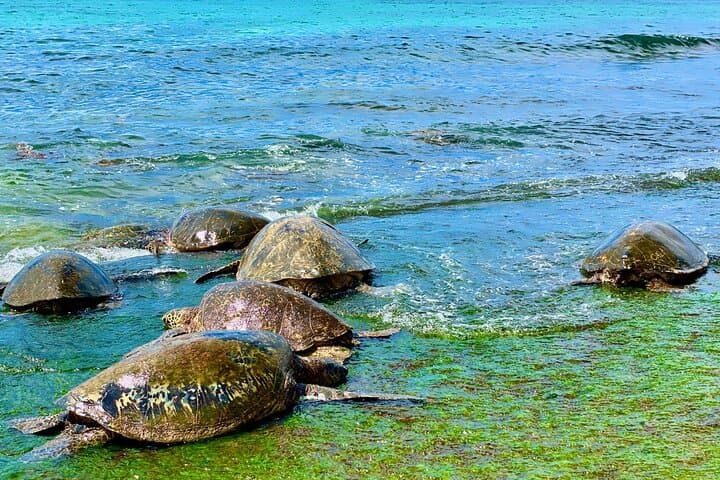
Drive Oahu’s iconic coast in a single day: Diamond Head views, Halona Blowhole drama, a North Shore shrimp-lunch and a secret beach with wild green sea turtles. This guided, narrated loop balances natural history, local food stops and optional snorkeling.
Drive Oahu’s iconic coast in a single day: Diamond Head views, Halona Blowhole drama, a North Shore shrimp-lunch and a secret beach with wild green sea turtles. This guided, narrated loop balances natural history, local food stops and optional snorkeling.
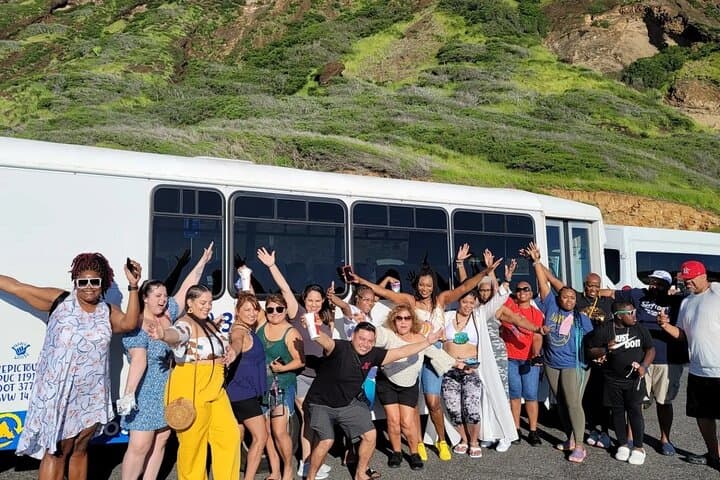
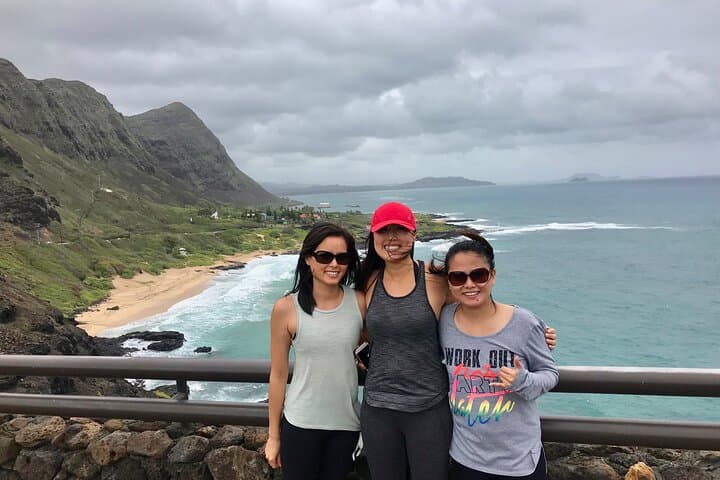
The van eases out of Waikiki with a chorus of early-morning laughter and the scent of Kona coffee trailing behind. A local driver-guide—part storyteller, part navigator—points to Diamond Head’s stepped silhouette as the city slides into sugarcane fields and then into the raw, wind-swept coastline. The ocean keeps time against the island; it raps against lava rock at Halona and hushes into crescent bays where turtles graze in clear shallows.
Verified experiences and guided adventures in the surrounding area.
Operated by Oahu Best Tours · Honolulu, Hawaii
The van eases out of Waikiki with a chorus of early-morning laughter and the scent of Kona coffee trailing behind. A local driver-guide—part storyteller, part navigator—points to Diamond Head’s stepped silhouette as the city slides into sugarcane fields and then into the raw, wind-swept coastline. The ocean keeps time against the island; it raps against lava rock at Halona and hushes into crescent bays where turtles graze in clear shallows.
This is a full-day, clockwise circuit of Oahu that compresses the island’s history and geology into nine hours of shorelines, lookout points, and roadside stalls. Oahu’s backbone is volcanic: the Koʻolau Range rises from ancient flows, a jagged spine carved by rain into steep valleys. The shoreline you’ll see is where those flows met the Pacific—lava cliffs, blowholes, and sandy plains formed as later reefs and beaches built out. Culturally, the route crosses places shaped by centuries of native kapu, missionary-era sugar plantations, and post-war tourism; Kahuku’s shrimp trucks and Haleiwa’s surf shops are modern chapters in that story.
A few sensory specifics ground the day: the tour covers roughly the island’s 112-mile circumference by coach with short walks to lookouts and beach access points; expect low-elevation strolls, some uneven, rocky beach edges, and boardwalks at visitor sites. The Halona Blowhole can throw seawater 40–50 feet when swells line up; the turtles live at a sheltered reef where snorkeling is optional and the water is usually calm in the morning.
Practicality comes with the thrills. Bring reef-safe sunscreen, a snorkel mask if you prefer your own, and a waterproof phone case for shoreline photos. Hydrate steadily—tropical sun disguises exertion—and wear layered sun protection; winds on the windward side can shift from still to gusting in minutes. Respect wildlife: federal and state law protects Hawaiian green sea turtles and monk seals—observe from distance, no touching or feeding. Keep small bills ready for shrimp truck lunches and tips for your guide; restroom stops are available but spaced throughout the route.
Timing matters: morning light is best for turtle sightings and clearer water; winter swells reshape the North Shore into a different kind of spectacle—spectacular but not for swimming. For travelers who want a day that mixes geology, food, and marine life without heavy hiking, this is a pragmatic, photo-ready way to read Oahu’s coast in a day.
easy.
9 hours.
Minimal fitness required—mostly vehicle-based with short beach walks and lookouts; be comfortable standing and walking on sand/rock.
No—snorkeling is optional. Many visitors prefer to watch from shore; if you enter the water, keep a respectful distance and avoid approaching turtles.
Pickups are at designated Waikiki hotels and meet-up points (Hyatt Place Waikiki and others); drop-off returns to those same locations.
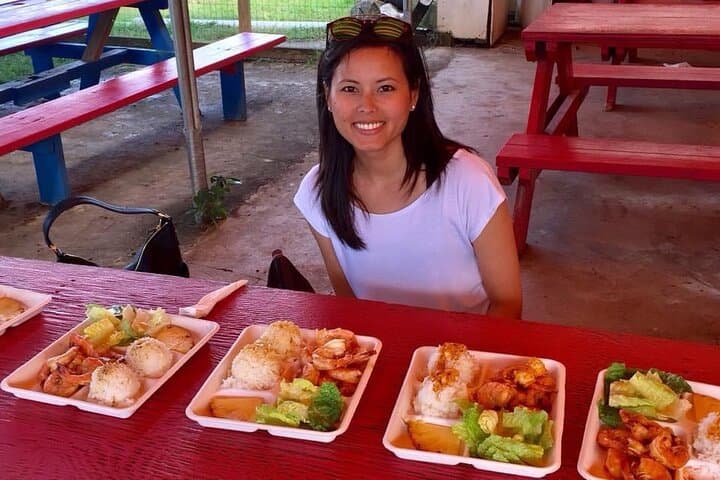
Lunch at Kahuku is not included—there’s a 30–35 minute stop near famous shrimp trucks so you can purchase a meal.
Yes—restroom stops occur at several attractions and food stops, but they can be spaced out; plan accordingly.
The operator may cancel water-access stops in rough conditions; the land portion continues with alternative scenic stops and narration.
The tour is generally suitable for all fitness levels, but some beach access and uneven surfaces may be challenging—contact the operator about mobility accommodations.
The sights follow millennia of geology and centuries of human history: ancient Hawaiians settled coasts for fishing and taro farming; 19th-century plantations reshaped land use and later gave way to tourism.
Do not touch, feed, or swim close to protected marine life; use reef-safe sunscreen and follow local signage to minimize reef and shoreline impact.
Oahu Best Tours operates guided outdoor trips and adventures with an emphasis on safety, stewardship, and memorable experiences.
The van eases out of Waikiki with a chorus of early-morning laughter and the scent of Kona coffee trailing behind. A local driver-guide—part storyteller, part navigator—points to Diamond Head’s stepped silhouette as the city slides into sugarcane fields and then into the raw, wind-swept coastline. The ocean keeps time against the island; it raps against lava rock at Halona and hushes into crescent bays where turtles graze in clear shallows.
The van eases out of Waikiki with a chorus of early-morning laughter and the scent of Kona coffee trailing behind. A local driver-guide—part storyteller, part navigator—points to Diamond Head’s stepped silhouette as the city slides into sugarcane fields and then into the raw, wind-swept coastline. The ocean keeps time against the island; it raps against lava rock at Halona and hushes into crescent bays where turtles graze in clear shallows.
This is a full-day, clockwise circuit of Oahu that compresses the island’s history and geology into nine hours of shorelines, lookout points, and roadside stalls. Oahu’s backbone is volcanic: the Koʻolau Range rises from ancient flows, a jagged spine carved by rain into steep valleys. The shoreline you’ll see is where those flows met the Pacific—lava cliffs, blowholes, and sandy plains formed as later reefs and beaches built out. Culturally, the route crosses places shaped by centuries of native kapu, missionary-era sugar plantations, and post-war tourism; Kahuku’s shrimp trucks and Haleiwa’s surf shops are modern chapters in that story.
A few sensory specifics ground the day: the tour covers roughly the island’s 112-mile circumference by coach with short walks to lookouts and beach access points; expect low-elevation strolls, some uneven, rocky beach edges, and boardwalks at visitor sites. The Halona Blowhole can throw seawater 40–50 feet when swells line up; the turtles live at a sheltered reef where snorkeling is optional and the water is usually calm in the morning.
Practicality comes with the thrills. Bring reef-safe sunscreen, a snorkel mask if you prefer your own, and a waterproof phone case for shoreline photos. Hydrate steadily—tropical sun disguises exertion—and wear layered sun protection; winds on the windward side can shift from still to gusting in minutes. Respect wildlife: federal and state law protects Hawaiian green sea turtles and monk seals—observe from distance, no touching or feeding. Keep small bills ready for shrimp truck lunches and tips for your guide; restroom stops are available but spaced throughout the route.
Timing matters: morning light is best for turtle sightings and clearer water; winter swells reshape the North Shore into a different kind of spectacle—spectacular but not for swimming. For travelers who want a day that mixes geology, food, and marine life without heavy hiking, this is a pragmatic, photo-ready way to read Oahu’s coast in a day.