THE ADVENTURE COLLECTIVE® · Independent discovery and booking for outdoor travel

Board at Kewalo Basin for a two-tank charter that pairs a deep wreck exploration with a bright shallow reef off Oahu’s south shore. Guided by PADI pros, this outing balances adrenaline and accessibility for certified divers.
Board at Kewalo Basin for a two-tank charter that pairs a deep wreck exploration with a bright shallow reef off Oahu’s south shore. Guided by PADI pros, this outing balances adrenaline and accessibility for certified divers.
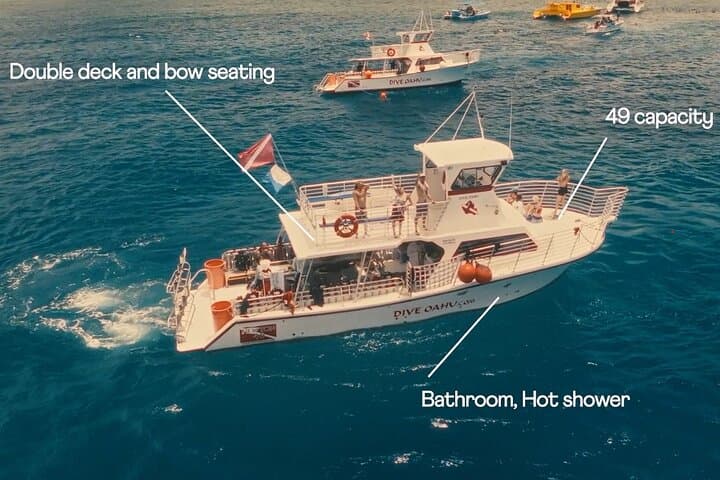
A morning at Kewalo Basin begins with the salt on your lips and the harbor’s small wake nudging the boat free of the jetty. Divers file aboard under the low Hawaiian sun, gear clinking, while the island recedes into a skyline of palm-fringed buildings and basalt shoreline. The boat’s engine hums a steady promise: a deep wreck dive followed by a bright, shallow reef.
Verified experiences and guided adventures in the surrounding area.
Operated by Dive Oahu Inc · Honolulu, Hawaii
A morning at Kewalo Basin begins with the salt on your lips and the harbor’s small wake nudging the boat free of the jetty. Divers file aboard under the low Hawaiian sun, gear clinking, while the island recedes into a skyline of palm-fringed buildings and basalt shoreline. The boat’s engine hums a steady promise: a deep wreck dive followed by a bright, shallow reef.
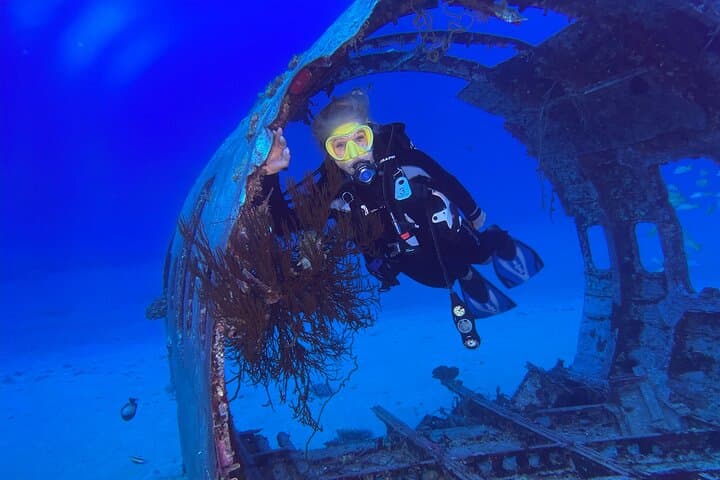
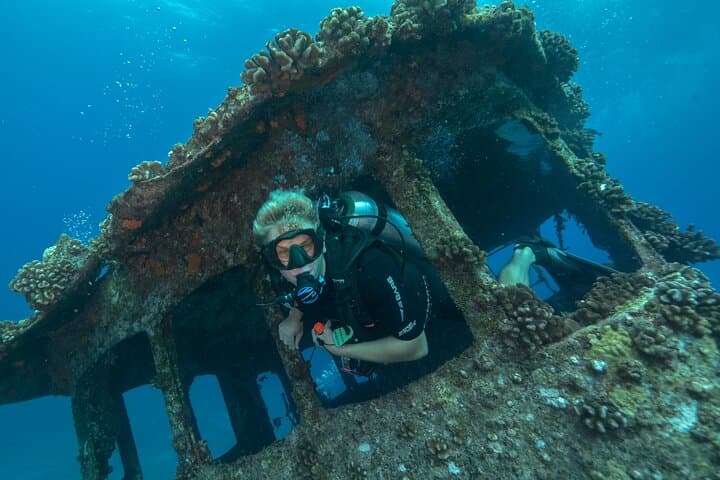
The wrecks off Oahu owe their current life to wartime and coastal commerce; cold steel has softened into habitat, and coral has claimed bulkheads as a new seafloor. Geologically, the island’s volcanic origins throw abrupt slopes and basalt ledges into close contact with warm Pacific waters, creating walls and swim-throughs that make wreck and reef diving distinct here. Culturally, the ocean is kai—central to Hawaiian life—and local guides emphasize respect for marine creatures and sites.
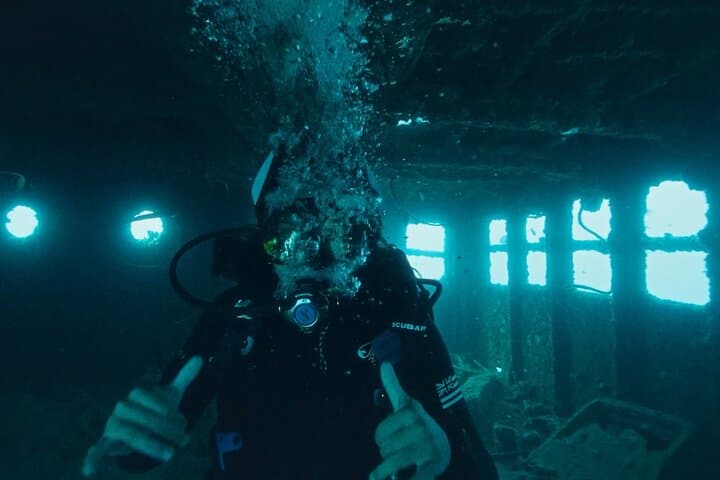
Expect two guided dives: a deeper wreck where thermoclines and currents may be felt, and a shallower reef rich in tropical fish, green turtles, octopus, and rays. Visibility is typically good—often 40–80 feet—but can swing with swell and rain runoff. Practical points: arrive 30 minutes early for weight checks and waivers, carry certification and medical clearance, and avoid flying for 24 hours after diving. Hydrate, clear ears early, and let your divemaster set the profile for the wreck.
This trip mixes adventure and structure: technical enough to thrill certified divers, straightforward enough to trust a professional crew.
moderate.
3 hours.
Comfortable swimming ability and basic cardiovascular fitness; should be able to carry and wear dive gear and manage boat entries/exits.
Yes — all participants must present proof of open water (or higher) certification from PADI or an equivalent agency.
Depths vary by wreck but expect deeper profiles than the reef dive; guides will plan according to certification limits and conditions.
Premium gear rental is included, but you may bring personal items like masks, computers, and wetsuits if preferred.
Common sightings include green sea turtles, reef sharks, octopus, rays, eels, and abundant Hawaiian reef fishes.
Several wrecks around Oahu are remnants of mid-20th-century vessels and have since become artificial reefs that host diverse marine life.
Divers are asked to use reef-safe sunscreen, avoid touching or taking anything from the reef, and follow local Marine Life Conservation District rules to minimize impact.
Dive Oahu Inc operates guided outdoor trips and adventures with an emphasis on safety, stewardship, and memorable experiences.
A morning at Kewalo Basin begins with the salt on your lips and the harbor’s small wake nudging the boat free of the jetty. Divers file aboard under the low Hawaiian sun, gear clinking, while the island recedes into a skyline of palm-fringed buildings and basalt shoreline. The boat’s engine hums a steady promise: a deep wreck dive followed by a bright, shallow reef.
A morning at Kewalo Basin begins with the salt on your lips and the harbor’s small wake nudging the boat free of the jetty. Divers file aboard under the low Hawaiian sun, gear clinking, while the island recedes into a skyline of palm-fringed buildings and basalt shoreline. The boat’s engine hums a steady promise: a deep wreck dive followed by a bright, shallow reef.
The wrecks off Oahu owe their current life to wartime and coastal commerce; cold steel has softened into habitat, and coral has claimed bulkheads as a new seafloor. Geologically, the island’s volcanic origins throw abrupt slopes and basalt ledges into close contact with warm Pacific waters, creating walls and swim-throughs that make wreck and reef diving distinct here. Culturally, the ocean is kai—central to Hawaiian life—and local guides emphasize respect for marine creatures and sites.
Expect two guided dives: a deeper wreck where thermoclines and currents may be felt, and a shallower reef rich in tropical fish, green turtles, octopus, and rays. Visibility is typically good—often 40–80 feet—but can swing with swell and rain runoff. Practical points: arrive 30 minutes early for weight checks and waivers, carry certification and medical clearance, and avoid flying for 24 hours after diving. Hydrate, clear ears early, and let your divemaster set the profile for the wreck.
This trip mixes adventure and structure: technical enough to thrill certified divers, straightforward enough to trust a professional crew.