THE ADVENTURE COLLECTIVE® · Independent discovery and booking for outdoor travel

Step onto Nyungwe’s high canopy and join a day of birding, primate watching, and rainforest trails. This practical guide explains what to expect, how to prepare, and where the real highlights hide.
Step onto Nyungwe’s high canopy and join a day of birding, primate watching, and rainforest trails. This practical guide explains what to expect, how to prepare, and where the real highlights hide.
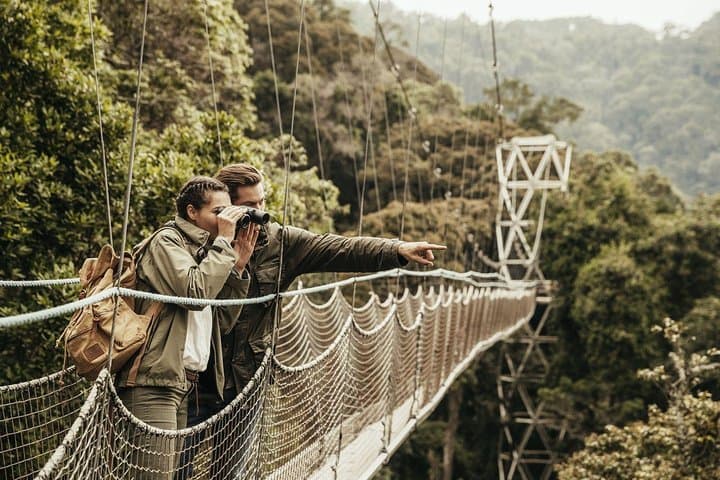
The high canopy shivers under your feet. Morning mist peels from lobelia and giant tree ferns as you step onto the suspended walkway, the forest opening in panoramic bands of green and the call of Albertine Rift endemics stitching the air. Nyungwe National Park feels immediate: rain-soft soil, damp trunks, and a relentless chorus of birds that reward the patient.
Verified experiences and guided adventures in the surrounding area.
Operated by Rwanda Best View Tours · Nyungwe National Park, Southern Province
The high canopy shivers under your feet. Morning mist peels from lobelia and giant tree ferns as you step onto the suspended walkway, the forest opening in panoramic bands of green and the call of Albertine Rift endemics stitching the air. Nyungwe National Park feels immediate: rain-soft soil, damp trunks, and a relentless chorus of birds that reward the patient.
This is an ancient Afromontane forest carved by tectonic uplift and volcanic soils; its slopes rise from roughly 1,600 to nearly 3,000 meters, concentrating endemic species and making it one of Africa’s richest montane ecosystems. The human story here ranges from traditional forest use by local communities to modern conservation efforts that established the park as a protected area and a focal point for Rwandan eco-tourism.
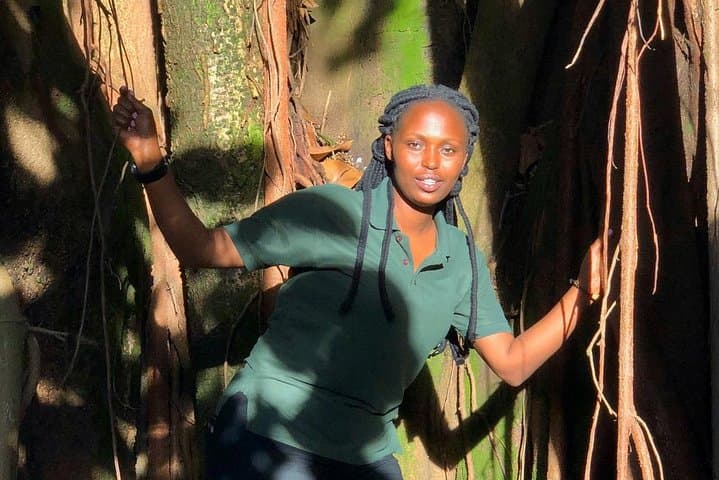
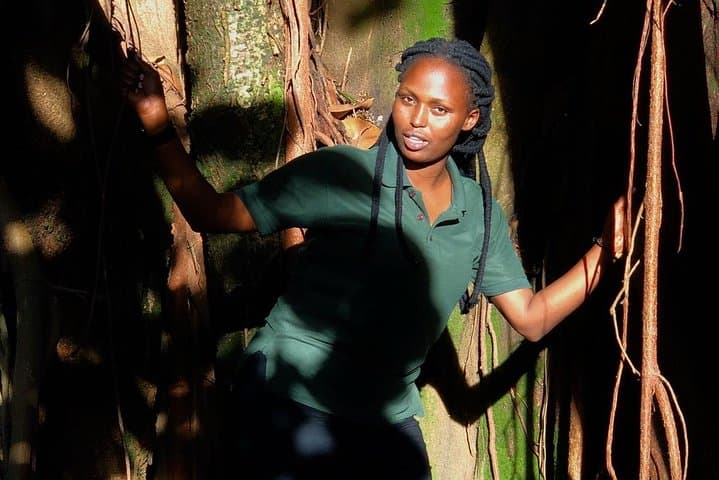
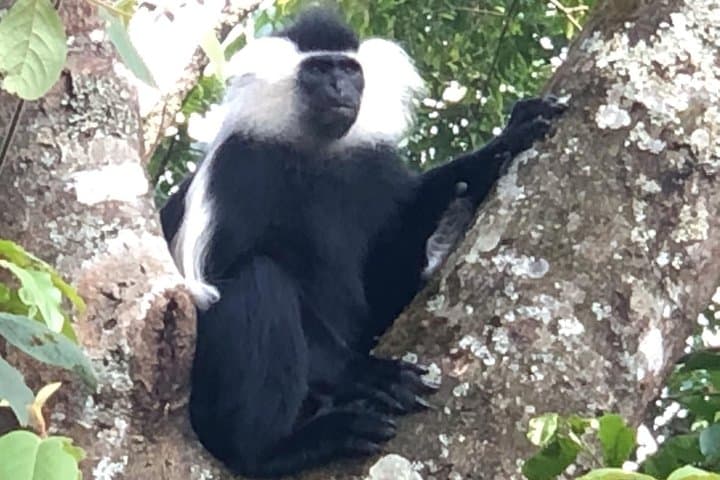
Expect dense, often muddy trails, shaded boardwalks around swamps, and the thrilling high canopy walk that places you among emergent trees. Guides focus on birding — look for ruwenzori turaco and sunbirds — and primate encounters including colobus and occasionally habituated chimpanzees on permitted treks. Culture is present in nearby tea estates and village markets where local guides share forest knowledge.
Practical guidance: travel from Kigali is best as an early start for a full-day visit; wear grippy hiking shoes, carry a waterproof layer and water, and bring binoculars. Some routes demand steady footing and moderate fitness; the activity typically includes private transport, lunch, and snacks. Note health advisories for those with spinal or serious cardiovascular conditions, and confirm cancellations at least 24 hours ahead.
moderate.
10–12 hours (day trip from Kigali).
Moderate fitness: able to walk 3–6 miles over uneven, often muddy terrain and climb short steep sections
The canopy walkway spans several hundred meters and is accessed by ramps; operators may restrict very young children or those with mobility issues — check with the provider.
Yes—Nyungwe has habituated chimp groups, but chimp treks require permits and can involve more strenuous trails separate from the canopy walk; sightings are not guaranteed.
Dry months (June–August and December–February) offer clearer visibility and easier trails, but birding is strong year-round due to high endemism.
This trip typically includes private transport, a local guide, lunch, and snacks—confirm inclusions when booking and clarify pickup logistics from Kigali.
Nyungwe preserves a fragment of ancient Afromontane forest within the Albertine Rift and became a formal protected area under modern management in the early 21st century.
Park management emphasizes guided access, community benefits from eco-tourism, and staying on trails to limit erosion and protect sensitive habitats.
Rwanda Best View Tours operates guided outdoor trips and adventures with an emphasis on safety, stewardship, and memorable experiences.
The high canopy shivers under your feet. Morning mist peels from lobelia and giant tree ferns as you step onto the suspended walkway, the forest opening in panoramic bands of green and the call of Albertine Rift endemics stitching the air. Nyungwe National Park feels immediate: rain-soft soil, damp trunks, and a relentless chorus of birds that reward the patient.
The high canopy shivers under your feet. Morning mist peels from lobelia and giant tree ferns as you step onto the suspended walkway, the forest opening in panoramic bands of green and the call of Albertine Rift endemics stitching the air. Nyungwe National Park feels immediate: rain-soft soil, damp trunks, and a relentless chorus of birds that reward the patient.
This is an ancient Afromontane forest carved by tectonic uplift and volcanic soils; its slopes rise from roughly 1,600 to nearly 3,000 meters, concentrating endemic species and making it one of Africa’s richest montane ecosystems. The human story here ranges from traditional forest use by local communities to modern conservation efforts that established the park as a protected area and a focal point for Rwandan eco-tourism.
Expect dense, often muddy trails, shaded boardwalks around swamps, and the thrilling high canopy walk that places you among emergent trees. Guides focus on birding — look for ruwenzori turaco and sunbirds — and primate encounters including colobus and occasionally habituated chimpanzees on permitted treks. Culture is present in nearby tea estates and village markets where local guides share forest knowledge.
Practical guidance: travel from Kigali is best as an early start for a full-day visit; wear grippy hiking shoes, carry a waterproof layer and water, and bring binoculars. Some routes demand steady footing and moderate fitness; the activity typically includes private transport, lunch, and snacks. Note health advisories for those with spinal or serious cardiovascular conditions, and confirm cancellations at least 24 hours ahead.