THE ADVENTURE COLLECTIVE® · Independent discovery and booking for outdoor travel

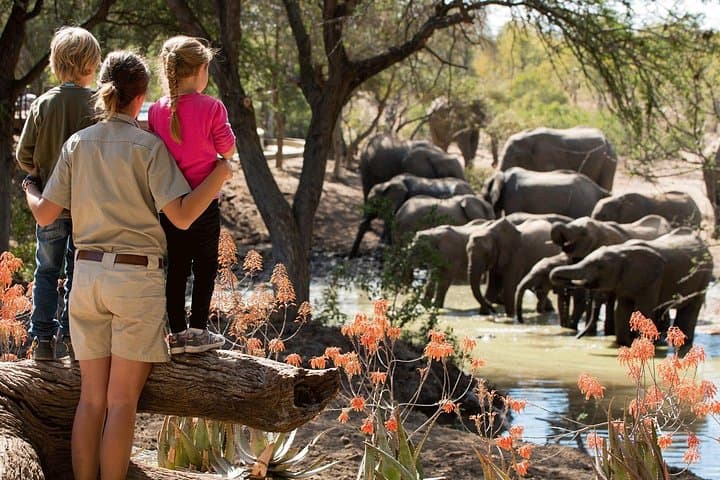
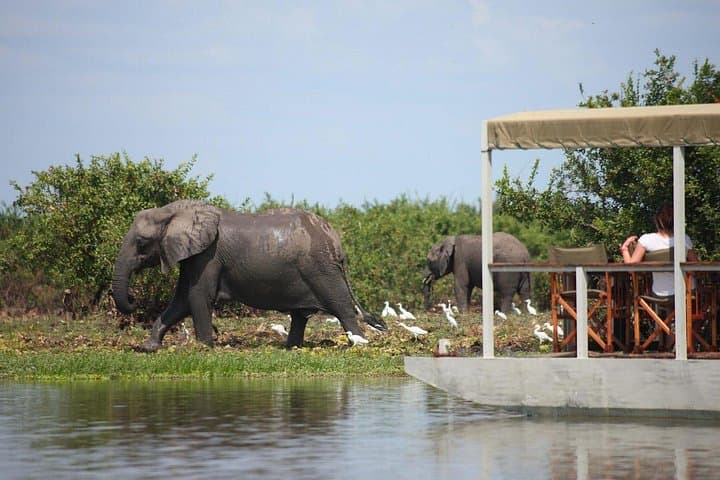
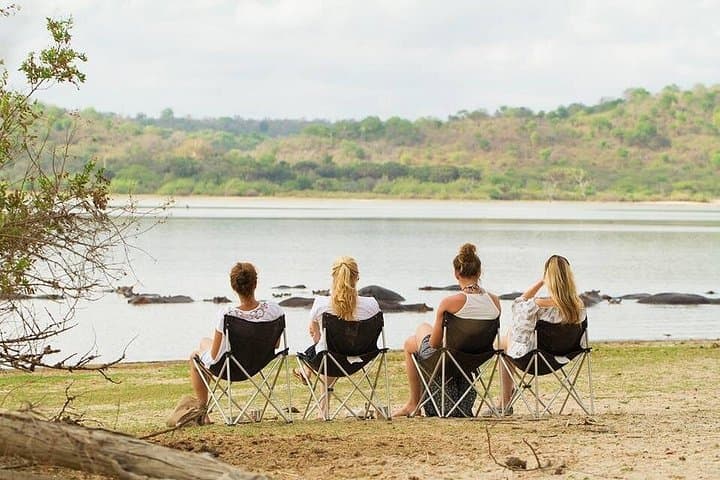
Three days in Nyerere (Selous) pair classic game drives with boat and guided walking safaris along the Rufiji—expect close hippo and croc encounters, elephant herds, and rich birdlife. This private tour from Dar es Salaam focuses on timed wildlife windows and short, interpretive walks led by armed rangers.
Three days in Nyerere (Selous) pair classic game drives with boat and guided walking safaris along the Rufiji—expect close hippo and croc encounters, elephant herds, and rich birdlife. This private tour from Dar es Salaam focuses on timed wildlife windows and short, interpretive walks led by armed rangers.
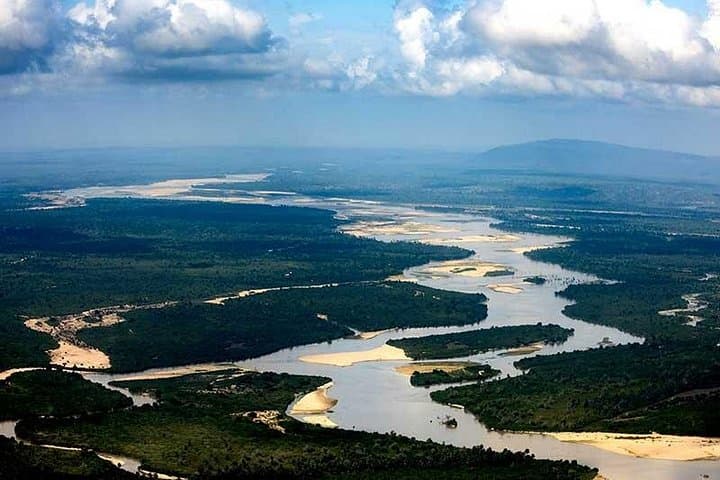
Dawn breaks over wide floodplains and the Rufiji River cuts a slow, purposeful line through tall grass; hippos surface with a yawn and elephants silhouette against a pale sun. You arrive from Dar es Salaam after a long, quiet drive, then step into open Land Cruiser seats for the first of several game drives that thread through broad savanna and gallery woodland.
Verified experiences and guided adventures in the surrounding area.
Operated by Zepisa African Safaris · Dar es Salaam, Dar es Salaam
Dawn breaks over wide floodplains and the Rufiji River cuts a slow, purposeful line through tall grass; hippos surface with a yawn and elephants silhouette against a pale sun. You arrive from Dar es Salaam after a long, quiet drive, then step into open Land Cruiser seats for the first of several game drives that thread through broad savanna and gallery woodland.
This landscape—part of the former Selous Game Reserve, now Nyerere National Park—was set aside for its intact wildlife populations and riverine systems. The park’s geology is dominated by alluvial plains and seasonal channels carved by the Rufiji, creating wetlands that sustain hippos, crocodiles, and prolific birdlife. Culturally, the corridor between Dar es Salaam and the park skirts small fishing and Maasai-influenced communities where pastoral rhythms still shape daily life.
Practical guidance: days are structured around early-morning and late-afternoon wildlife windows; mid-day is for rest, lunch, and boat safaris where you’ll watch crocodiles and waterbirds. Walking safaris are short and guided by armed rangers—expect two-hour excursions on stable ground with frequent stops for tracking and interpretation. Pack neutral clothing, sun protection, and sturdy walking shoes; lightweight layers are useful for cooler mornings. Bring cash for tips and small village purchases, a valid passport for park entry, and anti-malarial precautions as advised by your doctor.
The trip balances wide-open sightings with close river encounters—nature will feel active and deliberate, inviting careful attention rather than spectacle. With moderate fitness and a readiness to move slowly, you’ll leave with clear memories of birdsong, low river mist, and the slow confidence of big mammals at low light.
moderate.
3 days.
Moderate fitness: able to walk on uneven ground for up to 2 hours and tolerate long vehicle transfers.
Expect about a 4–5 hour drive to the park entrance depending on traffic and road conditions; transfers are typically by 4x4 vehicle.
Yes—walks are led by armed, professional guides who choose safe routes and manage distance from wildlife; guests follow strict guidance at all times.
Yellow fever proof may be required depending on origin; malaria prophylaxis and routine vaccinations should be discussed with your doctor prior to travel.
Park entry fee is included in the itinerary; a current valid passport is required on the day of travel for records and park entry.
Designated a UNESCO World Heritage Site in 1982 as Selous, the area protects large, relatively undisturbed populations of megafauna and important river systems. The park was renamed Nyerere National Park in honor of Tanzania’s first president.
The reserve’s remote size protects migratory corridors, but pressures from poaching and habitat change persist—travel that supports park fees and community projects helps sustain conservation.
Zepisa African Safaris operates guided outdoor trips and adventures with an emphasis on safety, stewardship, and memorable experiences.
Dawn breaks over wide floodplains and the Rufiji River cuts a slow, purposeful line through tall grass; hippos surface with a yawn and elephants silhouette against a pale sun. You arrive from Dar es Salaam after a long, quiet drive, then step into open Land Cruiser seats for the first of several game drives that thread through broad savanna and gallery woodland.
Dawn breaks over wide floodplains and the Rufiji River cuts a slow, purposeful line through tall grass; hippos surface with a yawn and elephants silhouette against a pale sun. You arrive from Dar es Salaam after a long, quiet drive, then step into open Land Cruiser seats for the first of several game drives that thread through broad savanna and gallery woodland.
This landscape—part of the former Selous Game Reserve, now Nyerere National Park—was set aside for its intact wildlife populations and riverine systems. The park’s geology is dominated by alluvial plains and seasonal channels carved by the Rufiji, creating wetlands that sustain hippos, crocodiles, and prolific birdlife. Culturally, the corridor between Dar es Salaam and the park skirts small fishing and Maasai-influenced communities where pastoral rhythms still shape daily life.
Practical guidance: days are structured around early-morning and late-afternoon wildlife windows; mid-day is for rest, lunch, and boat safaris where you’ll watch crocodiles and waterbirds. Walking safaris are short and guided by armed rangers—expect two-hour excursions on stable ground with frequent stops for tracking and interpretation. Pack neutral clothing, sun protection, and sturdy walking shoes; lightweight layers are useful for cooler mornings. Bring cash for tips and small village purchases, a valid passport for park entry, and anti-malarial precautions as advised by your doctor.
The trip balances wide-open sightings with close river encounters—nature will feel active and deliberate, inviting careful attention rather than spectacle. With moderate fitness and a readiness to move slowly, you’ll leave with clear memories of birdsong, low river mist, and the slow confidence of big mammals at low light.