THE ADVENTURE COLLECTIVE® · Independent discovery and booking for outdoor travel

Board a classic yacht at Pier 62 and view Manhattan’s evolving shoreline through the lens of resiliency and sustainable architecture. This narrated cruise highlights post‑Sandy defenses, green infrastructure and the city’s plans for offshore wind and reduced emissions.
Board a classic yacht at Pier 62 and view Manhattan’s evolving shoreline through the lens of resiliency and sustainable architecture. This narrated cruise highlights post‑Sandy defenses, green infrastructure and the city’s plans for offshore wind and reduced emissions.
The boat slips from Pier 62 and the city opens like a cross-section: glassy towers, seawalls, parks and the slow draw of the Statue of Liberty on the horizon. A 1920s‑style yacht cuts through Hudson water that once powered shipyards and freight lines; now it frames renewable sites, flood barriers and living shorelines the guide annotates.
Verified experiences and guided adventures in the surrounding area.
Operated by Classic Harbor Line NYC · New York, NY
The boat slips from Pier 62 and the city opens like a cross-section: glassy towers, seawalls, parks and the slow draw of the Statue of Liberty on the horizon. A 1920s‑style yacht cuts through Hudson water that once powered shipyards and freight lines; now it frames renewable sites, flood barriers and living shorelines the guide annotates.
From a historical angle Manhattan’s waterfront was industrial—piers, rail lines and slag-filled bluffs that shaped early trade. Geologically the island is a glacial remnant, its bedrock and erratic deposits dictating shoreline angles and where engineers now place bulkheads and salt‑tolerant plantings. Culturally the tour threads architecture and environmental justice: you’ll hear how green roofs, resilient parks and affordable housing retrofit plans intersect with neighborhood vulnerability.
Expect close passes by East River Park’s resiliency work, views of the United Nations facade, and narrated context for renewable energy projects and proposed offshore wind assembly piers. Guides from AIANY connect design decisions to lived impacts—post‑Sandy flood measures, updated stormwater systems and recycling infrastructure visible from the water.
Practical edge: this is an information‑dense cruise—arrive 15–30 minutes early with photo ID, and keep conversation low so narration carries. Dress in windproof layers, bring binoculars and a waterproof bag for electronics. The voyage lasts about 2 hours 45 minutes; it’s accessible in many cases but varies by vessel. For anyone wanting a waterfront primer on urban climate adaptation, this tour pairs panoramic views with concrete examples of how a coastal city plans to stay afloat.
easy.
2–3 hours.
Minimal fitness required; mostly standing and walking on and off the dock. Suitable for most adults and older children (note age restrictions).
No—full circumnavigation is not guaranteed; movable bridges or river closures can force a modified route or double‑backing. The operator will narrate alternate plans if needed.
This heavily narrated tour is restricted to guests 12 and older; families with young children are advised to consider other daytime options.
Accessibility varies by vessel—coordinate with the operator ahead of time for boarding assistance and to confirm accessibility features.
One complimentary beverage is included and the seating is assigned; private or communal seating choices are available at checkout.
Manhattan’s waterfront evolved from tidal marshes and 19th‑century industrial piers to the modern mix of parks, mid‑rise housing and port infrastructure; many resiliency projects respond directly to damage from Superstorm Sandy.
The tour highlights NYC’s climate mitigation efforts—green roofs, floodwalls and offshore wind planning—while encouraging low‑impact visitor behavior and support for waterfront habitat restoration.
Classic Harbor Line NYC operates guided outdoor trips and adventures with an emphasis on safety, stewardship, and memorable experiences.
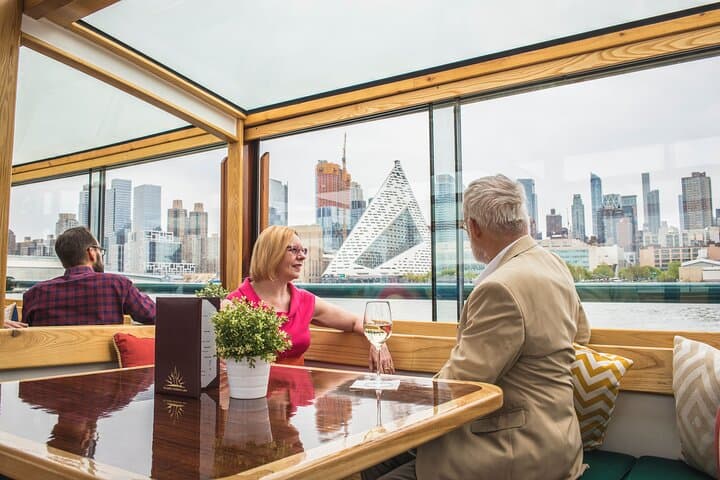
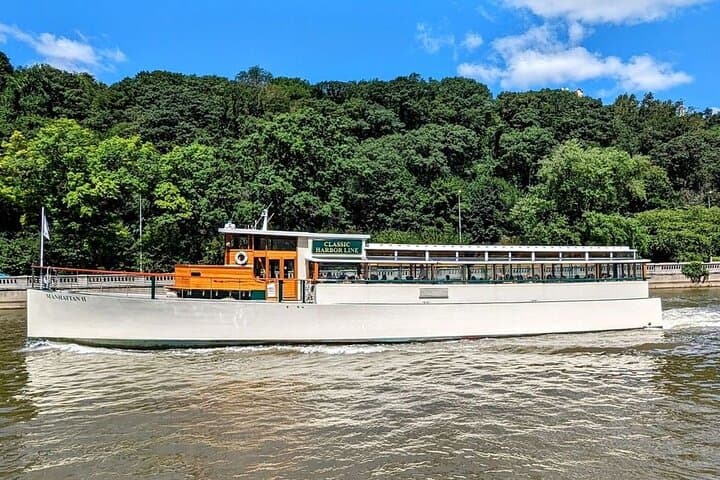
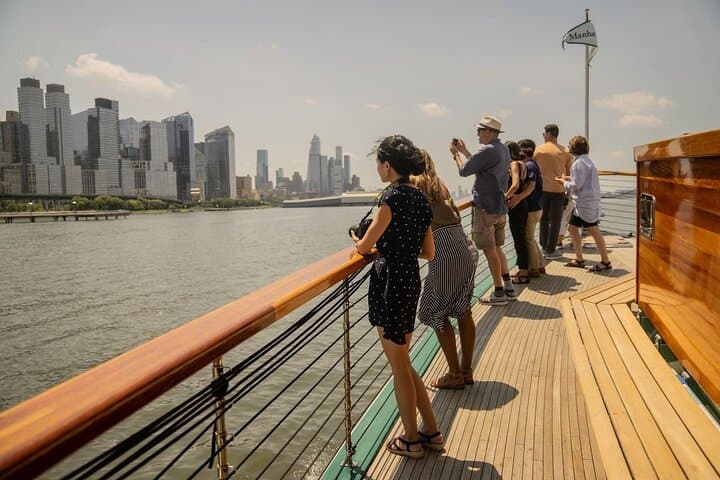
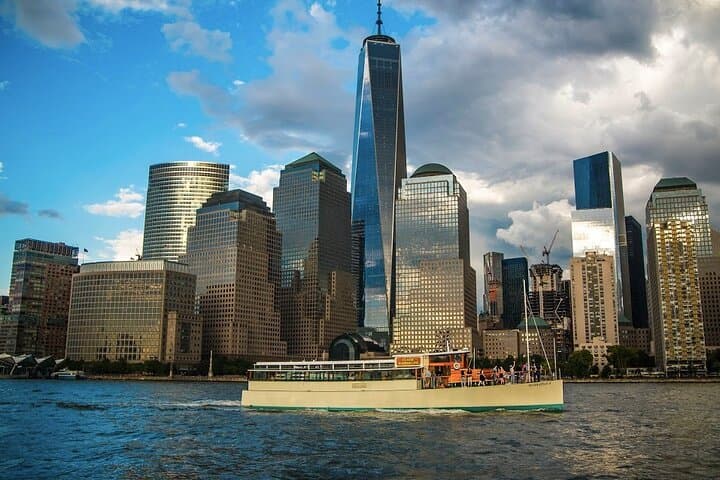
The boat slips from Pier 62 and the city opens like a cross-section: glassy towers, seawalls, parks and the slow draw of the Statue of Liberty on the horizon. A 1920s‑style yacht cuts through Hudson water that once powered shipyards and freight lines; now it frames renewable sites, flood barriers and living shorelines the guide annotates.
The boat slips from Pier 62 and the city opens like a cross-section: glassy towers, seawalls, parks and the slow draw of the Statue of Liberty on the horizon. A 1920s‑style yacht cuts through Hudson water that once powered shipyards and freight lines; now it frames renewable sites, flood barriers and living shorelines the guide annotates.
From a historical angle Manhattan’s waterfront was industrial—piers, rail lines and slag-filled bluffs that shaped early trade. Geologically the island is a glacial remnant, its bedrock and erratic deposits dictating shoreline angles and where engineers now place bulkheads and salt‑tolerant plantings. Culturally the tour threads architecture and environmental justice: you’ll hear how green roofs, resilient parks and affordable housing retrofit plans intersect with neighborhood vulnerability.
Expect close passes by East River Park’s resiliency work, views of the United Nations facade, and narrated context for renewable energy projects and proposed offshore wind assembly piers. Guides from AIANY connect design decisions to lived impacts—post‑Sandy flood measures, updated stormwater systems and recycling infrastructure visible from the water.
Practical edge: this is an information‑dense cruise—arrive 15–30 minutes early with photo ID, and keep conversation low so narration carries. Dress in windproof layers, bring binoculars and a waterproof bag for electronics. The voyage lasts about 2 hours 45 minutes; it’s accessible in many cases but varies by vessel. For anyone wanting a waterfront primer on urban climate adaptation, this tour pairs panoramic views with concrete examples of how a coastal city plans to stay afloat.