THE ADVENTURE COLLECTIVE® · Independent discovery and booking for outdoor travel

A full-day drive from Kathmandu takes you to Nuwakot’s Seven-Story Palace, a strategic hilltop town on an old Tibet trade route. Expect history, carved wooden architecture, village walks, and wide Himalayan views on a 7–8 hour cultural outing.
A full-day drive from Kathmandu takes you to Nuwakot’s Seven-Story Palace, a strategic hilltop town on an old Tibet trade route. Expect history, carved wooden architecture, village walks, and wide Himalayan views on a 7–8 hour cultural outing.
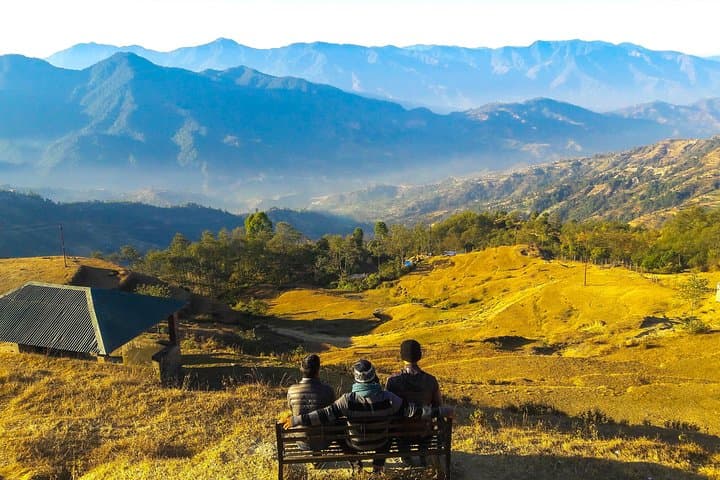
You arrive on a ridge where the valley opens like a map — terraced fields stepping down toward Kathmandu, and the northern ranges bristling with snow when skies allow.
Verified experiences and guided adventures in the surrounding area.
Operated by Adventure Thirdpole · Nuwakot, Nuwakot District
You arrive on a ridge where the valley opens like a map — terraced fields stepping down toward Kathmandu, and the northern ranges bristling with snow when skies allow.
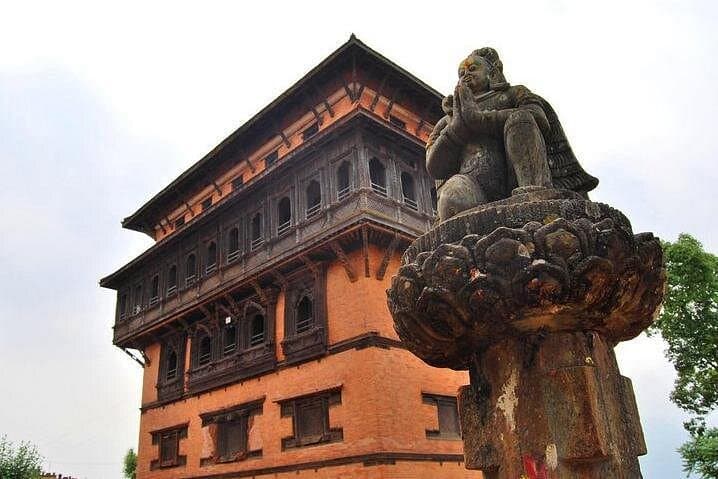
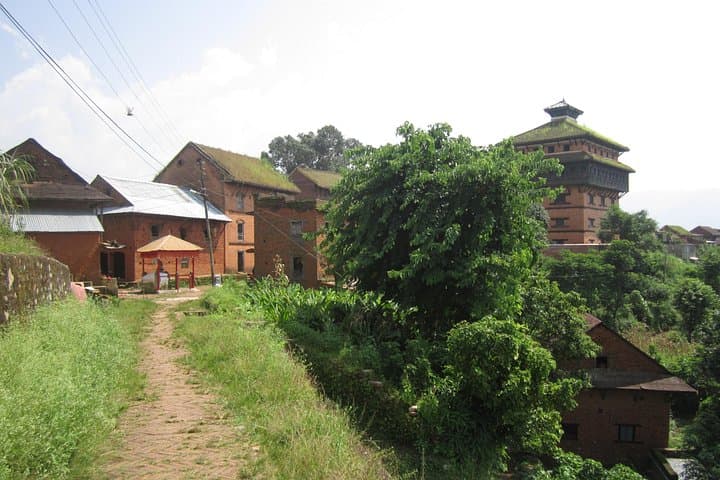
Nuwakot perches on that ridge: a compact hill town where the Seven-Story Palace (once a strategic outpost) still defines the skyline. Walk cobbled lanes past stout brick buildings and carved wooden windows; voices and market calls punctuate the quiet of the palace square.
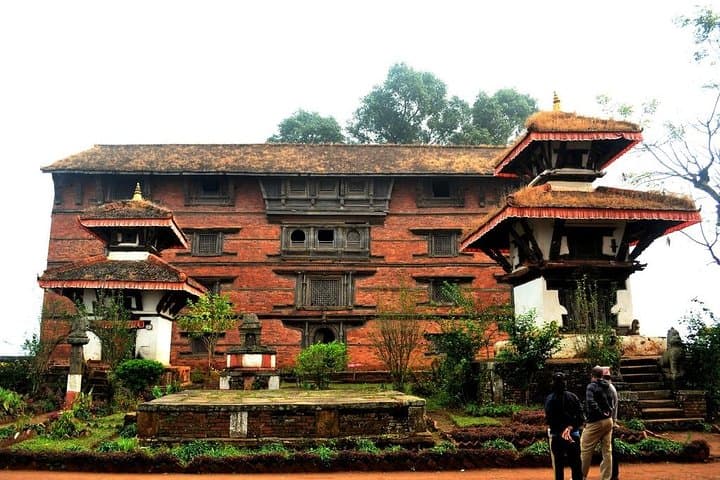
Historically this was a gateway on the trade route to Tibet and a base for King Prithvi Narayan Shah’s unification campaigns in the 18th century. The palace (built 1762) and nearby Rangamahal and Garadghar reflect Nepalese pagoda-style architecture and the town’s role as a regional administrative center. Geologically the area is folded hill country — mixed loess and clay soils cut by terraced agriculture — offering a vantage for sweeping Himalayan views on clear days.
Cultural life is direct: small tea shops, farmers tending terraces, and local temples that still host seasonal rituals. The town’s recovery and restoration after recent earthquakes is ongoing; visitors who move respectfully contribute to local livelihoods.
Practical guidance: the full-day tour is a 7–8 hour outing with roughly 2–2.5 hours drive each way from central Kathmandu. Expect short steep stair sections around the palace and uneven village paths — good walking shoes and sun protection matter. Bring cash for small purchases, a reusable water bottle, and a light layer for mountain breezes. If you include the Malika Hill walk, allow an hour of extra walking on gentle dirt trails. Tours typically include private transport, a guide, and a local Nepali lunch in a homestay.
easy.
7–8 hours.
Light fitness; able to climb short flights of steep steps and walk on uneven surfaces for a few hours.
Typical drive time is about 2 to 2.5 hours each way depending on traffic and road conditions, making this a 7–8 hour day tour.
This tour description lists admissions as not included; bring cash for small site fees or donations.
Yes; the itinerary is classified as physically easy, though there are stone steps and short climbs—ask about infant seats or mobility assistance when booking.
Yes; the optional village walk to Malika Hill (approx. 1450 m) is a gentle trail and can be added during the tour for better viewpoints.
Nuwakot served as a strategic outpost on the old Tibet trade route and was a launching point for King Prithvi Narayan Shah’s 18th-century unification campaigns; the Seven-Story Palace dates to 1762.
Restoration after recent earthquakes is community-led; stick to marked paths, avoid littering, and support local homestays to benefit preservation efforts.
Adventure Thirdpole operates guided outdoor trips and adventures with an emphasis on safety, stewardship, and memorable experiences.
You arrive on a ridge where the valley opens like a map — terraced fields stepping down toward Kathmandu, and the northern ranges bristling with snow when skies allow.
You arrive on a ridge where the valley opens like a map — terraced fields stepping down toward Kathmandu, and the northern ranges bristling with snow when skies allow.
Nuwakot perches on that ridge: a compact hill town where the Seven-Story Palace (once a strategic outpost) still defines the skyline. Walk cobbled lanes past stout brick buildings and carved wooden windows; voices and market calls punctuate the quiet of the palace square.
Historically this was a gateway on the trade route to Tibet and a base for King Prithvi Narayan Shah’s unification campaigns in the 18th century. The palace (built 1762) and nearby Rangamahal and Garadghar reflect Nepalese pagoda-style architecture and the town’s role as a regional administrative center. Geologically the area is folded hill country — mixed loess and clay soils cut by terraced agriculture — offering a vantage for sweeping Himalayan views on clear days.
Cultural life is direct: small tea shops, farmers tending terraces, and local temples that still host seasonal rituals. The town’s recovery and restoration after recent earthquakes is ongoing; visitors who move respectfully contribute to local livelihoods.
Practical guidance: the full-day tour is a 7–8 hour outing with roughly 2–2.5 hours drive each way from central Kathmandu. Expect short steep stair sections around the palace and uneven village paths — good walking shoes and sun protection matter. Bring cash for small purchases, a reusable water bottle, and a light layer for mountain breezes. If you include the Malika Hill walk, allow an hour of extra walking on gentle dirt trails. Tours typically include private transport, a guide, and a local Nepali lunch in a homestay.