THE ADVENTURE COLLECTIVE® · Independent discovery and booking for outdoor travel

Spend an action-packed day from Sanur chasing manta rays and exploring dramatic walls at Crystal Bay. This three-dive safari to Nusa Penida combines strong currents, stunning marine life, and a firm requirement for certified divers.
Spend an action-packed day from Sanur chasing manta rays and exploring dramatic walls at Crystal Bay. This three-dive safari to Nusa Penida combines strong currents, stunning marine life, and a firm requirement for certified divers.
You push off a sun-warmed speedboat before the island silhouette fills the horizon and the ocean opens into blue with a pulse—currents that will either lift you past a reef ledge or demand attention at the surface.
Verified experiences and guided adventures in the surrounding area.
Operated by Bali Diving · Nusa Penida, Bali
You push off a sun-warmed speedboat before the island silhouette fills the horizon and the ocean opens into blue with a pulse—currents that will either lift you past a reef ledge or demand attention at the surface.
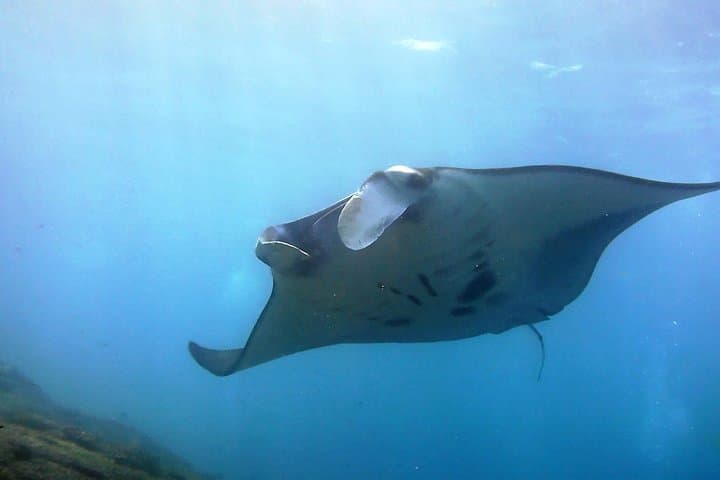
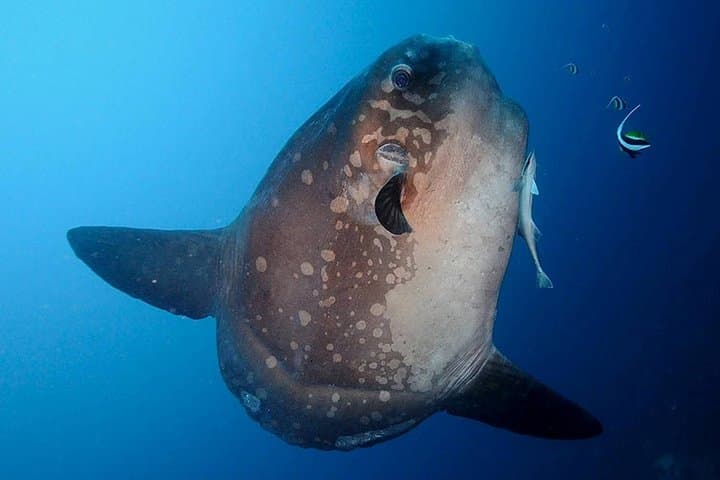
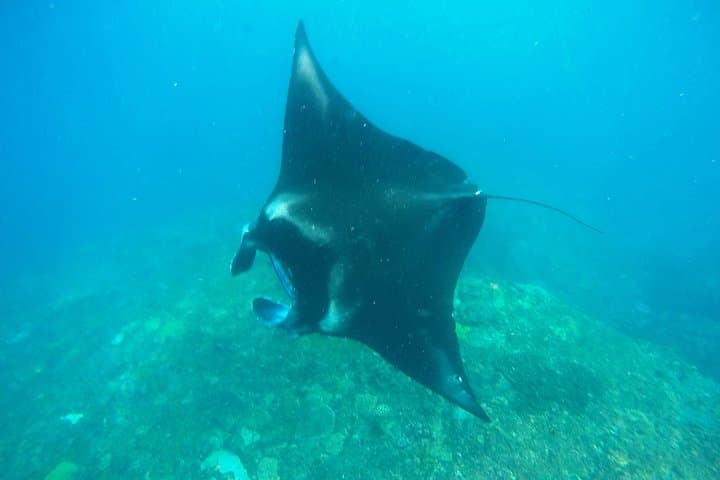
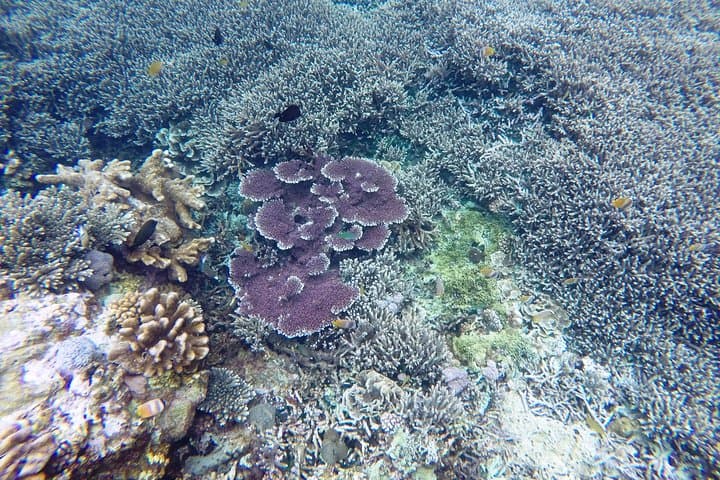
Manta Point on the southern flank of Nusa Penida is famous for the seasonal and year-round visits of reef mantas. The day typically runs three boat dives: a drift-style cleaning-station encounter at Manta Point, a reef and wall dive at Crystal Bay where volcanic cliffs tuck a sliver of sandy bottom, and a third dive at Toyapakeh/SD Point or Mangrove depending on conditions. The limestone and volcanic geology of the island produces steep drop-offs and strong channels; currents sweep plankton that mantas feed on, which is why sightings are frequent but never guaranteed.
Nusa Penida is culturally Balinese—small villages, coastal shrines, and a fishing economy that now coexists with dive tourism. Respect for marine life is enforced through reef taxes and boat protocols; operators require certification and a minimum number of logged dives to reduce risk.
Practical guidance: bring your certification card and logbook, plan for an 8-hour day with hotel pickup from Sanur, and expect brief surface swims and ladder entries off a speedboat. Hydrate before and after dives, use reef-safe sunscreen, and check your recent dive history—the operator requires recent diving and a minimum of 10 logged dives. When currents pick up, rely on your guide and a conservative approach: don’t chase mantas; let them come to you.
challenging.
8 hours.
Moderate to fit—able to complete 3 dives, perform surface swims and climb boat ladders; not recommended for those with recent inactivity.
Yes—evidence of certification is required and the operator mandates a minimum of 10 logged dives with recent diving experience.
Sightings are reported at roughly a 75% probability, but mantas are wild animals and sightings can't be guaranteed.
Yes—full diving equipment rental is included, though many divers bring personal masks and computers.
Trips can be canceled for safety; operators typically offer a full refund if canceled at least 24 hours prior or due to weather.
Nusa Penida has long been a fishing and traditional Balinese community; tourism has grown rapidly around its unique marine habitats.
Operators collect a reef management charge and follow local guidelines—use moorings, avoid touching animals, and choose reef-safe products to reduce impact.
Bali Diving operates guided outdoor trips and adventures with an emphasis on safety, stewardship, and memorable experiences.
You push off a sun-warmed speedboat before the island silhouette fills the horizon and the ocean opens into blue with a pulse—currents that will either lift you past a reef ledge or demand attention at the surface.
You push off a sun-warmed speedboat before the island silhouette fills the horizon and the ocean opens into blue with a pulse—currents that will either lift you past a reef ledge or demand attention at the surface.
Manta Point on the southern flank of Nusa Penida is famous for the seasonal and year-round visits of reef mantas. The day typically runs three boat dives: a drift-style cleaning-station encounter at Manta Point, a reef and wall dive at Crystal Bay where volcanic cliffs tuck a sliver of sandy bottom, and a third dive at Toyapakeh/SD Point or Mangrove depending on conditions. The limestone and volcanic geology of the island produces steep drop-offs and strong channels; currents sweep plankton that mantas feed on, which is why sightings are frequent but never guaranteed.
Nusa Penida is culturally Balinese—small villages, coastal shrines, and a fishing economy that now coexists with dive tourism. Respect for marine life is enforced through reef taxes and boat protocols; operators require certification and a minimum number of logged dives to reduce risk.
Practical guidance: bring your certification card and logbook, plan for an 8-hour day with hotel pickup from Sanur, and expect brief surface swims and ladder entries off a speedboat. Hydrate before and after dives, use reef-safe sunscreen, and check your recent dive history—the operator requires recent diving and a minimum of 10 logged dives. When currents pick up, rely on your guide and a conservative approach: don’t chase mantas; let them come to you.