THE ADVENTURE COLLECTIVE® · Independent discovery and booking for outdoor travel

Swim from shore into a hands-on coral nursery on Nusa Penida and learn restoration techniques with local marine biologists. Perfect for beginner snorkelers, the tour combines education and direct conservation work to help revive Acropora reefs.
Swim from shore into a hands-on coral nursery on Nusa Penida and learn restoration techniques with local marine biologists. Perfect for beginner snorkelers, the tour combines education and direct conservation work to help revive Acropora reefs.
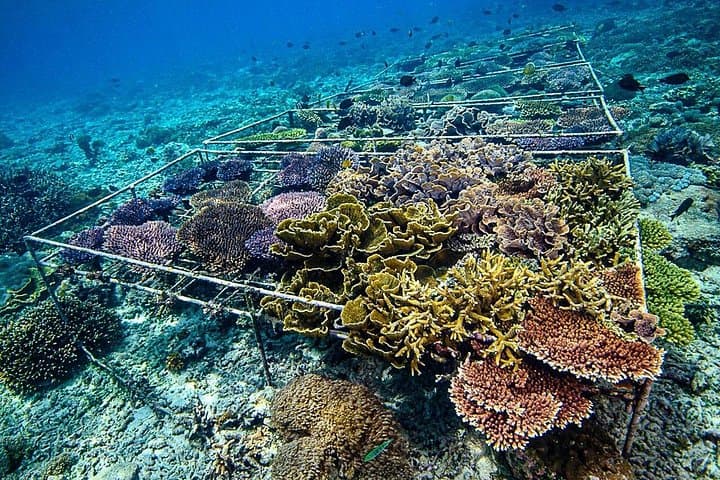
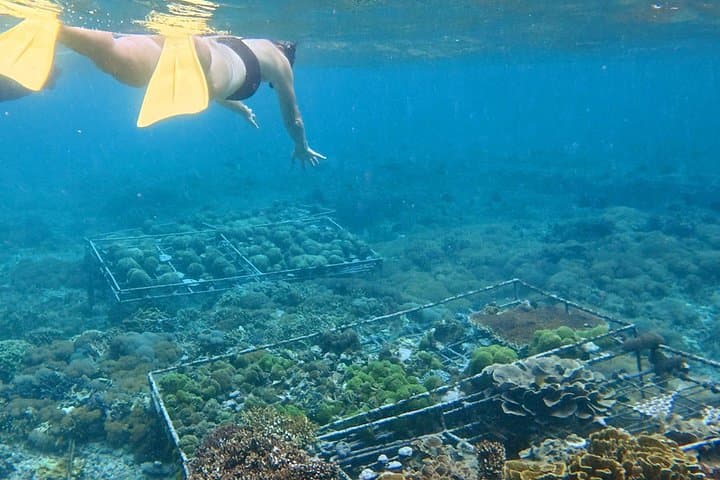
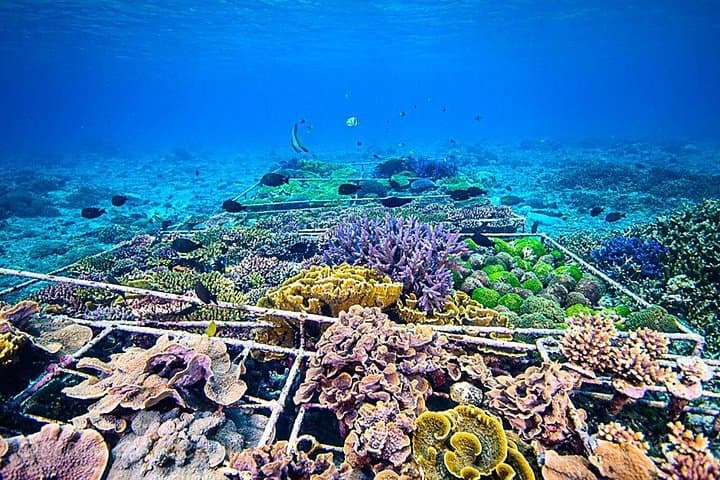
You step into warm, shallow water off a quiet Nusa Penida beach and the reef greets you in patchwork—bright Acropora heads rising from ropes like coral scaffolding. The sea pulls and releases with the tide, nudging you toward a nursery where ropes, stakes and small transplanted colonies mark an active recovery effort.
Verified experiences and guided adventures in the surrounding area.
Operated by Ocean Gardener · Toya Pakeh, Bali
You step into warm, shallow water off a quiet Nusa Penida beach and the reef greets you in patchwork—bright Acropora heads rising from ropes like coral scaffolding. The sea pulls and releases with the tide, nudging you toward a nursery where ropes, stakes and small transplanted colonies mark an active recovery effort.
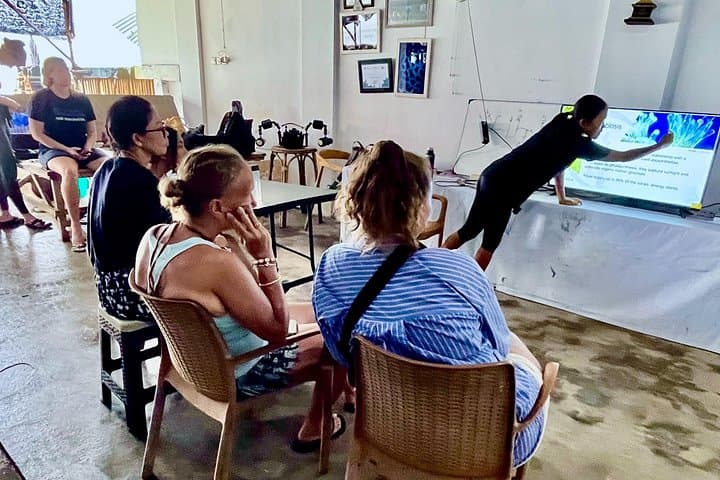
The tour opens with a short talk about Ped’s past: anchors and seaweed farming once broke the reef framework, and local fishers partnered with Ocean Gardener to rebuild it using coral farming and outplanting. Geologically, Nusa Penida sits on exposed volcanic terraces; currents funnel nutrients and also make certain shallow sites ideal for fast-growing branching corals.
Culturally, the project ties directly to livelihoods—guides are local residents who monitor colonies and teach techniques like fragmentation and rope attachment. Expect clear explanations of coral biology (hard vs. soft, sexual vs. asexual reproduction) and a hands-on chance to attach a donor fragment to nursery rope, then watch it sway and begin to grow.
Practical notes: this is a shore-entry snorkel at low tide suitable for beginners who can swim. Equipment is provided; bring reef-safe sunscreen, a towel and a lightweight cover-up for the walk back. Sessions typically run about four hours including briefing, snorkeling and restoration work—plan for hot sun and slippery rocks. The experience is equal parts education and physical care for the reef—come ready to learn, move in shallow water, and leave knowing one small fragment can become a future reef.
moderate.
4 hours.
Suitable for participants who can swim and are comfortable in shallow open water; light snorkeling fitness required.
No—this shore‑entry snorkeling is beginner friendly, but you should be comfortable floating and breathing through a snorkel; guides pair with less confident swimmers.
Children can participate if they are supervised and confident in the water; age limits vary so check with the operator for minimum ages and safety rules.
Yes—under close supervision you’ll fragment a small donor piece and attach it to nursery rope using established restoration techniques to avoid damage.
Tours may be canceled for rough seas or poor visibility; operators typically offer refunds or rescheduling according to their policy.
Local fishing and anchoring practices once severely damaged nearshore reefs; community‑led coral farming with NGOs has been central to recovery efforts.
Tours fund ongoing monitoring and employ residents; visitors should avoid touching corals, use reef‑safe products, and follow guide instructions to minimize impact.
Ocean Gardener operates guided outdoor trips and adventures with an emphasis on safety, stewardship, and memorable experiences.
You step into warm, shallow water off a quiet Nusa Penida beach and the reef greets you in patchwork—bright Acropora heads rising from ropes like coral scaffolding. The sea pulls and releases with the tide, nudging you toward a nursery where ropes, stakes and small transplanted colonies mark an active recovery effort.
You step into warm, shallow water off a quiet Nusa Penida beach and the reef greets you in patchwork—bright Acropora heads rising from ropes like coral scaffolding. The sea pulls and releases with the tide, nudging you toward a nursery where ropes, stakes and small transplanted colonies mark an active recovery effort.
The tour opens with a short talk about Ped’s past: anchors and seaweed farming once broke the reef framework, and local fishers partnered with Ocean Gardener to rebuild it using coral farming and outplanting. Geologically, Nusa Penida sits on exposed volcanic terraces; currents funnel nutrients and also make certain shallow sites ideal for fast-growing branching corals.
Culturally, the project ties directly to livelihoods—guides are local residents who monitor colonies and teach techniques like fragmentation and rope attachment. Expect clear explanations of coral biology (hard vs. soft, sexual vs. asexual reproduction) and a hands-on chance to attach a donor fragment to nursery rope, then watch it sway and begin to grow.
Practical notes: this is a shore-entry snorkel at low tide suitable for beginners who can swim. Equipment is provided; bring reef-safe sunscreen, a towel and a lightweight cover-up for the walk back. Sessions typically run about four hours including briefing, snorkeling and restoration work—plan for hot sun and slippery rocks. The experience is equal parts education and physical care for the reef—come ready to learn, move in shallow water, and leave knowing one small fragment can become a future reef.