THE ADVENTURE COLLECTIVE® · Independent discovery and booking for outdoor travel

Pair the pulse of flyboarding with the quiet lift of parasailing off Nusa Dua. This compact, two-hour watersports combo delivers high-flying thrills, clear ocean views, and practical tips for first-timers.
Pair the pulse of flyboarding with the quiet lift of parasailing off Nusa Dua. This compact, two-hour watersports combo delivers high-flying thrills, clear ocean views, and practical tips for first-timers.
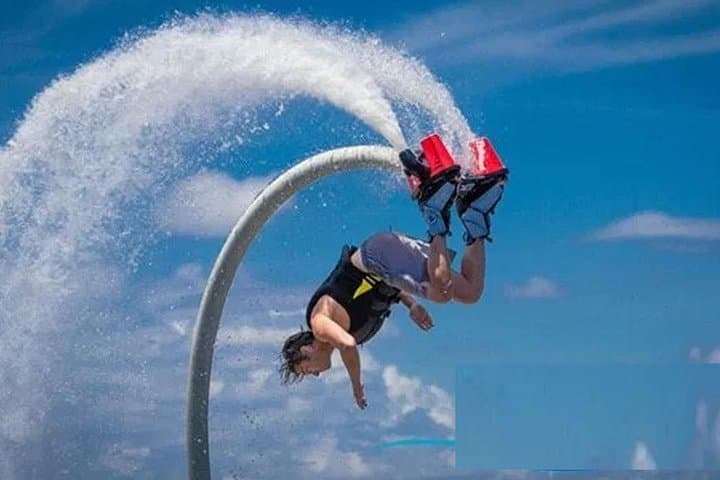
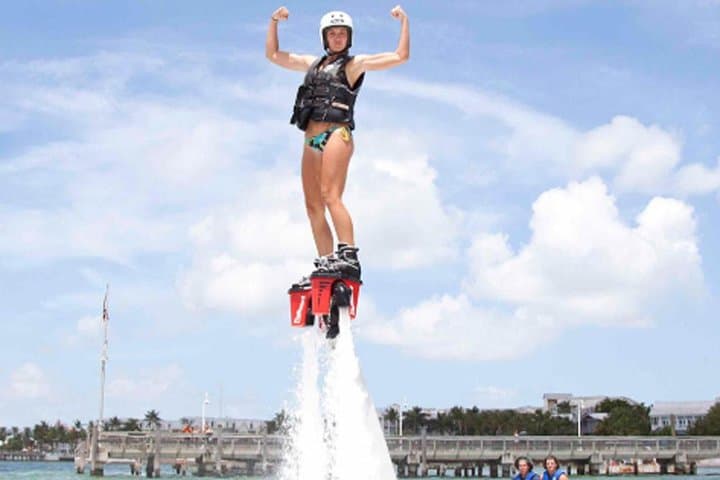
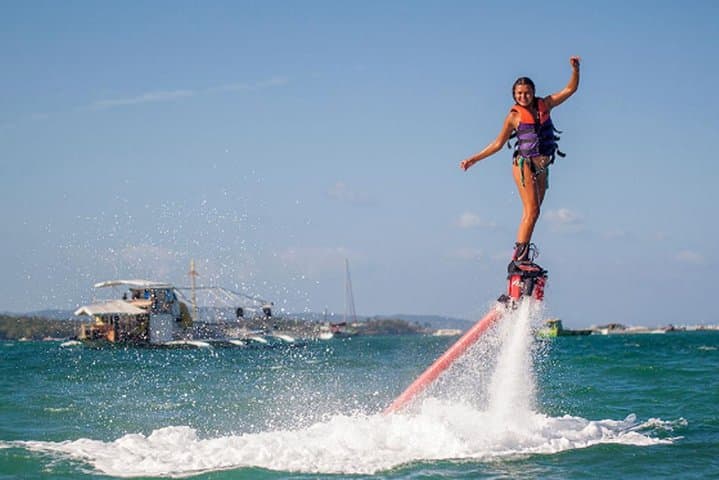
The sea opens like a blue runway off Nusa Dua as a jetski thunders and the board lifts you—first skimming, then hovering a few meters above the surface while salt spray teases your ears.
Verified experiences and guided adventures in the surrounding area.
Operated by Sewa Mobil Bali · Nusa Dua, Bali
The sea opens like a blue runway off Nusa Dua as a jetski thunders and the board lifts you—first skimming, then hovering a few meters above the surface while salt spray teases your ears.
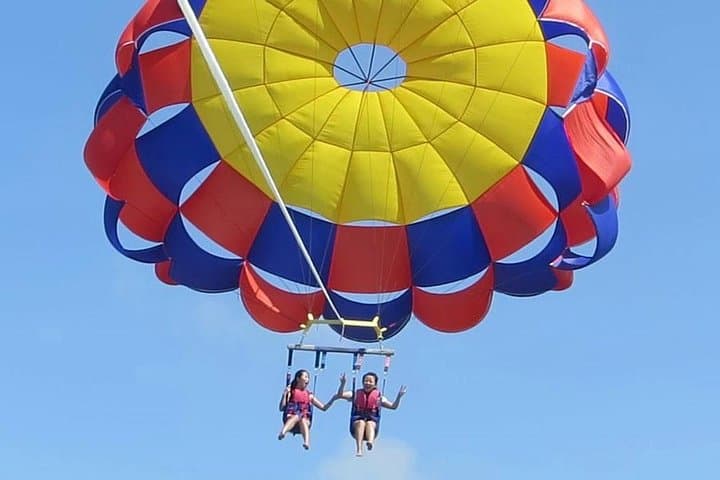
This dual-activity package pairs the adrenal pop of flyboarding with the calm, panoramic pull of parasailing. Flyboarding uses a high-powered jetski to force water through nozzles beneath a rigid board, sending riders up to around five meters; parasailing tethers you to a boat and the wind, offering a slow, stable ascent above Bali’s southern coast. Both activities are centered on the Tanjung Benoa–Nusa Dua corridor, a peninsula developed in the 1970s as Bali’s watersports hub and edged by fringing reefs carved from volcanic flows and coral growth.
Expect local operators to brief you on safety, issue life jackets, and run short practice sessions—flyboarding requires balance and quick adjustments, while parasailing favors steadiness and minimal motion sickness. Cultural notes: the coastline sits near Balinese temples and fishing villages where traditional jukung boats still operate; respect for local marine areas is common and operators often follow designated lanes to protect reefs.
Practical guidance: book a morning slot for calmer seas and lighter winds, bring reef-safe sunscreen, waterproof storage for valuables, and a light change of clothes. If you have back, heart, or pregnancy concerns, skip flyboarding; basic swimming ability and reasonable fitness are required. Arrive ready to move—these two high-energy experiences are compact, social, and deliver a clear view of Bali from both water and air.
moderate.
2 hours.
Moderate fitness; ability to swim and tolerate short bursts of physical exertion. Good balance helps for flyboarding.
The package runs about two hours total, including briefing, transfers, and both activity sessions—actual airtime is shorter.
No prior experience is required; instructors give a briefing and assist on the board, but you should be comfortable in water and have moderate fitness.
Yes—operators supply life jackets and necessary safety gear, plus a short safety briefing before each activity.
No—flyboarding is not recommended for pregnant travelers, and consult staff if you have heart or spinal issues.
Nusa Dua and Tanjung Benoa were developed as Bali tourism hubs beginning in the 1970s; before that, the area was dominated by fishing villages and reef-based livelihoods.
Operators increasingly use marked lanes and avoid reef anchoring; visitors are encouraged to use mineral-based sunscreen and avoid stepping on coral to reduce local impacts.
Sewa Mobil Bali operates guided outdoor trips and adventures with an emphasis on safety, stewardship, and memorable experiences.
The sea opens like a blue runway off Nusa Dua as a jetski thunders and the board lifts you—first skimming, then hovering a few meters above the surface while salt spray teases your ears.
The sea opens like a blue runway off Nusa Dua as a jetski thunders and the board lifts you—first skimming, then hovering a few meters above the surface while salt spray teases your ears.
This dual-activity package pairs the adrenal pop of flyboarding with the calm, panoramic pull of parasailing. Flyboarding uses a high-powered jetski to force water through nozzles beneath a rigid board, sending riders up to around five meters; parasailing tethers you to a boat and the wind, offering a slow, stable ascent above Bali’s southern coast. Both activities are centered on the Tanjung Benoa–Nusa Dua corridor, a peninsula developed in the 1970s as Bali’s watersports hub and edged by fringing reefs carved from volcanic flows and coral growth.
Expect local operators to brief you on safety, issue life jackets, and run short practice sessions—flyboarding requires balance and quick adjustments, while parasailing favors steadiness and minimal motion sickness. Cultural notes: the coastline sits near Balinese temples and fishing villages where traditional jukung boats still operate; respect for local marine areas is common and operators often follow designated lanes to protect reefs.
Practical guidance: book a morning slot for calmer seas and lighter winds, bring reef-safe sunscreen, waterproof storage for valuables, and a light change of clothes. If you have back, heart, or pregnancy concerns, skip flyboarding; basic swimming ability and reasonable fitness are required. Arrive ready to move—these two high-energy experiences are compact, social, and deliver a clear view of Bali from both water and air.