THE ADVENTURE COLLECTIVE® · Independent discovery and booking for outdoor travel

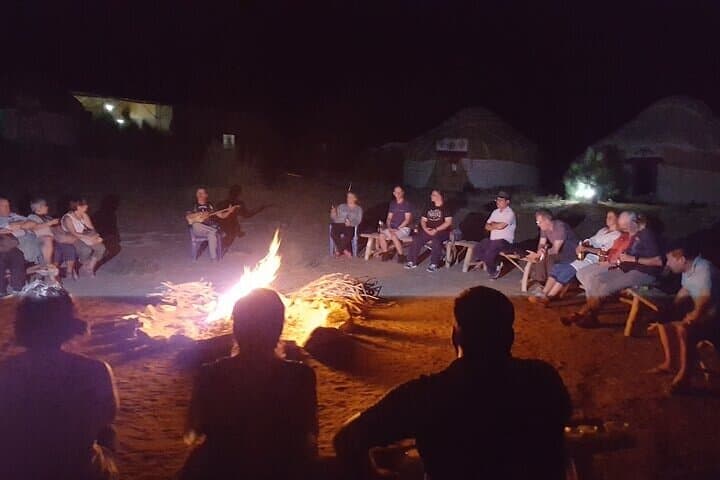
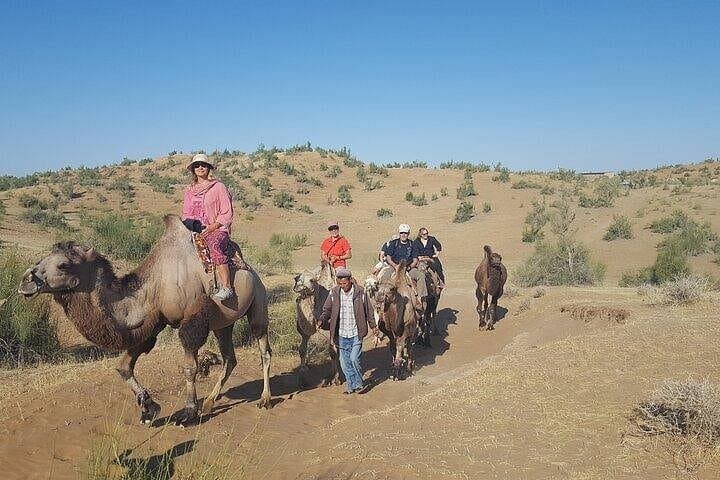
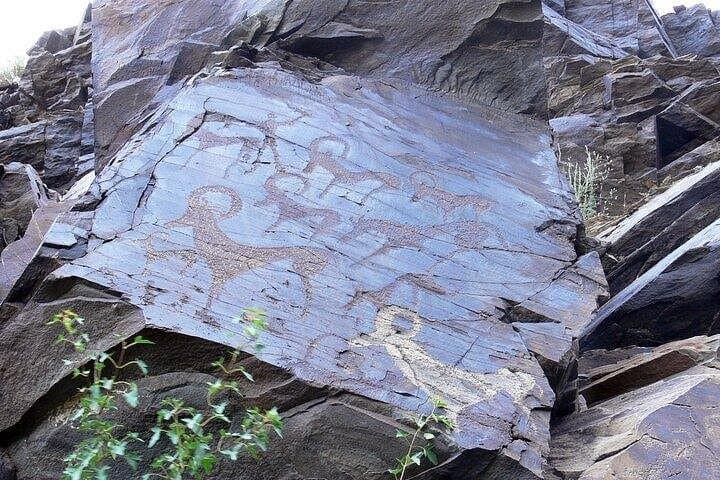
Switch between craggy, walnut‑lined valleys and ochre desert dunes on this three‑day route from Samarkand or Bukhara. Hike to fortress ruins, visit petroglyphs and spend a night in a jurta camp with camels under desert stars.
Switch between craggy, walnut‑lined valleys and ochre desert dunes on this three‑day route from Samarkand or Bukhara. Hike to fortress ruins, visit petroglyphs and spend a night in a jurta camp with camels under desert stars.
A wind-off-the-steppe morning sets the pace: you climb out of an air‑conditioned minivan into stone villages cupped by the Nurata ridges, where walnut and pistachio trees shade tracks worn by shepherds. The mountains push up from the flat Kyzyl‑Kum like a folded ridge of ochre and limestone; afternoons open to desert dunes and a jurta camp under an uncommonly bright sky.
Verified experiences and guided adventures in the surrounding area.
Operated by Silk Tour Ltd · Nurata, Navoiy Region
A wind-off-the-steppe morning sets the pace: you climb out of an air‑conditioned minivan into stone villages cupped by the Nurata ridges, where walnut and pistachio trees shade tracks worn by shepherds. The mountains push up from the flat Kyzyl‑Kum like a folded ridge of ochre and limestone; afternoons open to desert dunes and a jurta camp under an uncommonly bright sky.
The Nuratau range bears traces of ancient irrigation channels and petroglyphs—remnants of Silk Road-era communities and local fortress ruins that mark strategic watchpoints. Geologically the hills are low, marl and limestone carved into steep gullies and terraced fields; below them the Kyzyl‑Kum spreads in rust and sand, an expanse that helped shape semi-nomadic pastoral traditions still practiced by Kazakh and Tajik families.
You’ll move between guest houses, a homestay, and a yurt camp, with short drives connecting hikes, historical stops and a night of camel trekking. Expect village tracks, stone steps, and dusty desert trails rather than technical climbing—this is about varied landscapes, cultural encounters, and slow travel.
Practical guidance: pack sturdy boots with good tread for stony gullies, sun protection for open desert crossings, and a lightweight layer for cool mountain evenings. Carry at least 2–3 liters of water per day and small bills for local purchases. Timing matters—spring and autumn bring the most comfortable hiking temperatures; summer can be hot and winter cold and windy. With moderate fitness you can follow daily hikes of a few hours and enjoy close-up wildlife encounters and rural hospitality.
moderate.
3 days.
Moderate cardiovascular fitness and ability to hike 2–4 hours on uneven terrain for multiple days
Visa requirements depend on your nationality—check Uzbekistan’s current entry rules before travel and confirm with the operator.
Hikes are moderate: several days of walking 2–4 hours with some elevation gain on uneven trails, suitable for reasonably fit travelers.
Nights are split between village guest houses/homestays and one jurta (yurt) camp in the Kyzyl‑Kum desert; basic but comfortable local facilities are used.
Yes—the itinerary is customizable to start in Bukhara and finish in Samarkand or vice versa; confirm pickup and drop‑off when booking.
The Nuratau valleys sit along secondary Silk Road corridors; local water channels and small fortresses reflect centuries of rural trade and strategic settlement.
The area supports fragile steppe and mountain habitats; travel operators emphasize low‑impact camping, sticking to trails, and supporting local homestays to keep tourism benefits local.
Silk Tour Ltd operates guided outdoor trips and adventures with an emphasis on safety, stewardship, and memorable experiences.
A wind-off-the-steppe morning sets the pace: you climb out of an air‑conditioned minivan into stone villages cupped by the Nurata ridges, where walnut and pistachio trees shade tracks worn by shepherds. The mountains push up from the flat Kyzyl‑Kum like a folded ridge of ochre and limestone; afternoons open to desert dunes and a jurta camp under an uncommonly bright sky.
A wind-off-the-steppe morning sets the pace: you climb out of an air‑conditioned minivan into stone villages cupped by the Nurata ridges, where walnut and pistachio trees shade tracks worn by shepherds. The mountains push up from the flat Kyzyl‑Kum like a folded ridge of ochre and limestone; afternoons open to desert dunes and a jurta camp under an uncommonly bright sky.
The Nuratau range bears traces of ancient irrigation channels and petroglyphs—remnants of Silk Road-era communities and local fortress ruins that mark strategic watchpoints. Geologically the hills are low, marl and limestone carved into steep gullies and terraced fields; below them the Kyzyl‑Kum spreads in rust and sand, an expanse that helped shape semi-nomadic pastoral traditions still practiced by Kazakh and Tajik families.
You’ll move between guest houses, a homestay, and a yurt camp, with short drives connecting hikes, historical stops and a night of camel trekking. Expect village tracks, stone steps, and dusty desert trails rather than technical climbing—this is about varied landscapes, cultural encounters, and slow travel.
Practical guidance: pack sturdy boots with good tread for stony gullies, sun protection for open desert crossings, and a lightweight layer for cool mountain evenings. Carry at least 2–3 liters of water per day and small bills for local purchases. Timing matters—spring and autumn bring the most comfortable hiking temperatures; summer can be hot and winter cold and windy. With moderate fitness you can follow daily hikes of a few hours and enjoy close-up wildlife encounters and rural hospitality.