THE ADVENTURE COLLECTIVE® · Independent discovery and booking for outdoor travel

Visit colorful Nubian villages on Elephantine Island and glide the Nile by felucca for a close-up look at local life, ancient ruins and riverside gardens. This accessible day activity pairs short village walks with a classic sail, ideal for travelers based in Aswan.
Visit colorful Nubian villages on Elephantine Island and glide the Nile by felucca for a close-up look at local life, ancient ruins and riverside gardens. This accessible day activity pairs short village walks with a classic sail, ideal for travelers based in Aswan.
The Nile widens and slows as you approach Elephantine Island; the river seems to dare you forward, its sails puffing white against a bright Aswan sky. You step from an air-conditioned vehicle into narrow, shaded alleys where painted houses of Siou and Koti cluster along palm-lined lanes. Local children call out in Nubian Arabic, while laundry flaps like small flags above courtyards scented with citrus and river dust.
Verified experiences and guided adventures in the surrounding area.
Operated by Gate 2 Egypt Tours · Aswan, Aswan Governorate
The Nile widens and slows as you approach Elephantine Island; the river seems to dare you forward, its sails puffing white against a bright Aswan sky. You step from an air-conditioned vehicle into narrow, shaded alleys where painted houses of Siou and Koti cluster along palm-lined lanes. Local children call out in Nubian Arabic, while laundry flaps like small flags above courtyards scented with citrus and river dust.
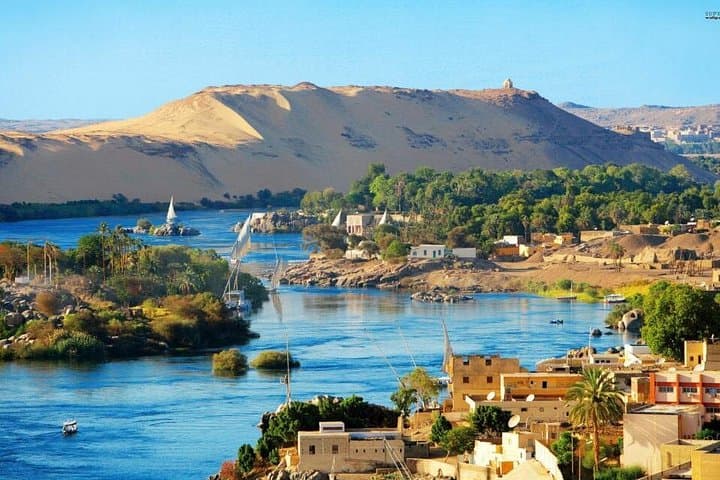
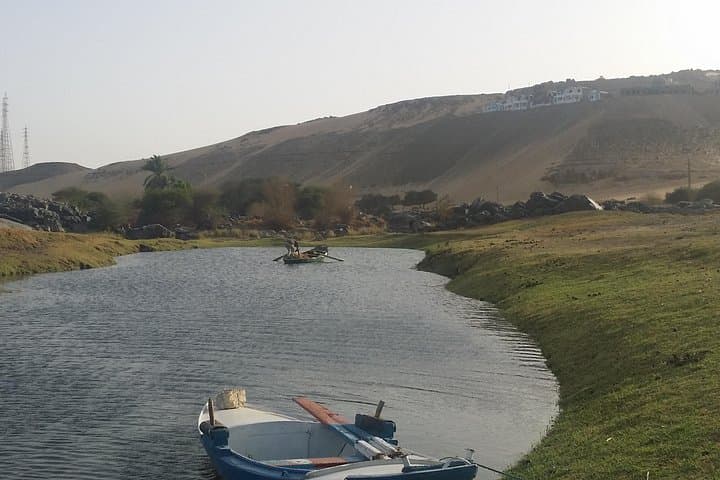
Elephantine has been a crossroads since pharaonic times — a staging point for ivory, incense and southern trade — and the island still holds ruins and temple foundations that hint at that past. The geology is blunt: granite outcrops and Nile silt create arable pockets where gardens and date palms thrive. Cultural life here is hands-on; families run tiny craft shops, and traditional music spills from doorways during afternoons. A felucca trip around the island gives a different angle — low to the water, wind steering the bamboo mast, you see the Aswan shoreline and Kitchener's Island botanical gardens slip by.
Practical side: operators typically run this as a guided visit with hotel or cruise pickup, short walking loops, and a felucca leg. Expect uneven village paths, sun exposure, and opportunities to buy pottery or tea. Wear closed shoes for alleys, bring a refillable bottle and small change for purchases and tips. Morning or late-afternoon departures are best for cooler light and softer heat.
This is an accessible, low‑impact way to meet contemporary Nubian life while sampling a centuries‑old river route — compact, human-scale, and surprisingly vivid.
easy.
3 hours.
Suitable for most fitness levels; involves gentle walking on uneven village paths and brief boat transfers.
This particular experience is organized as a short guided visit with an approximate duration of 3 hours, typically including village time and a felucca ride.
Yes—operators usually include pickup and return from Aswan hotels or cruise boats, often in air-conditioned vehicles.
Many areas and transport options are described as wheelchair accessible, but village alleys can be uneven—contact the operator ahead for specific accessibility needs.
Photography is generally welcomed, but always ask permission before photographing people inside homes or private courtyards and offer a polite greeting first.
Elephantine Island was a strategic trading post in pharaonic and later times; Nubian settlements here preserved distinct language and decorative house painting traditions.
Tourism is an important income source for local families; minimize plastic use and support community-run crafts to reduce environmental impact and keep revenue local.
Gate 2 Egypt Tours operates guided outdoor trips and adventures with an emphasis on safety, stewardship, and memorable experiences.
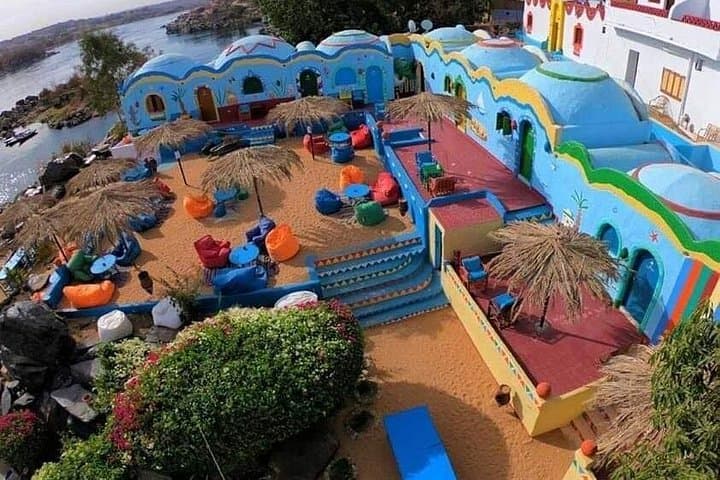
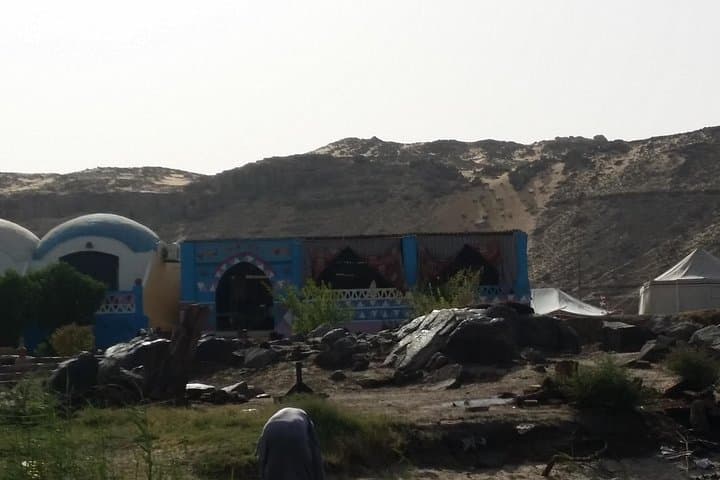
The Nile widens and slows as you approach Elephantine Island; the river seems to dare you forward, its sails puffing white against a bright Aswan sky. You step from an air-conditioned vehicle into narrow, shaded alleys where painted houses of Siou and Koti cluster along palm-lined lanes. Local children call out in Nubian Arabic, while laundry flaps like small flags above courtyards scented with citrus and river dust.
The Nile widens and slows as you approach Elephantine Island; the river seems to dare you forward, its sails puffing white against a bright Aswan sky. You step from an air-conditioned vehicle into narrow, shaded alleys where painted houses of Siou and Koti cluster along palm-lined lanes. Local children call out in Nubian Arabic, while laundry flaps like small flags above courtyards scented with citrus and river dust.
Elephantine has been a crossroads since pharaonic times — a staging point for ivory, incense and southern trade — and the island still holds ruins and temple foundations that hint at that past. The geology is blunt: granite outcrops and Nile silt create arable pockets where gardens and date palms thrive. Cultural life here is hands-on; families run tiny craft shops, and traditional music spills from doorways during afternoons. A felucca trip around the island gives a different angle — low to the water, wind steering the bamboo mast, you see the Aswan shoreline and Kitchener's Island botanical gardens slip by.
Practical side: operators typically run this as a guided visit with hotel or cruise pickup, short walking loops, and a felucca leg. Expect uneven village paths, sun exposure, and opportunities to buy pottery or tea. Wear closed shoes for alleys, bring a refillable bottle and small change for purchases and tips. Morning or late-afternoon departures are best for cooler light and softer heat.
This is an accessible, low‑impact way to meet contemporary Nubian life while sampling a centuries‑old river route — compact, human-scale, and surprisingly vivid.