THE ADVENTURE COLLECTIVE® · Independent discovery and booking for outdoor travel

Take a felucca from Aswan for a 3–4 hour stroll through Nubian villages on Soheil Island. Experience shaded alleys, a traditional Nubian house, and riverside life with practical tips for timing, gear and respectful photography.
Take a felucca from Aswan for a 3–4 hour stroll through Nubian villages on Soheil Island. Experience shaded alleys, a traditional Nubian house, and riverside life with practical tips for timing, gear and respectful photography.
The Nile moves like a slow, persistent conversation as your small sailboat slips toward Soheil Island, palms shading narrow alleys and laundry lines fluttering like flags of daily life. You step off the boat onto soft, sun-warmed stone and follow a north–south path that threads two modern Nubian villages, stopping at a shaded garden café beside a painted traditional house.
Verified experiences and guided adventures in the surrounding area.
Operated by travelconnection001 · Aswan, Aswan Governorate
The Nile moves like a slow, persistent conversation as your small sailboat slips toward Soheil Island, palms shading narrow alleys and laundry lines fluttering like flags of daily life. You step off the boat onto soft, sun-warmed stone and follow a north–south path that threads two modern Nubian villages, stopping at a shaded garden café beside a painted traditional house.
This landscape is layered—Pharaonic granite outcrops and island deposits formed by the river, a living cultural line that predates the modern Aswan town. Nubian communities here maintain distinct language, crafts and colorful painted homes, influenced by centuries of trade up and down the Nile and by the construction of the Aswan Low and later High Dam, which reshaped local waterways and agriculture.
Walks are short but rich: look for decorative mashrabiya windows, local pottery studios, and the simple geometry of courtyard houses. The felucca ride to the island is itself part of the day—sails filling with breeze and the river pushing you past reed beds and fishermen.
Practical guidance: plan for 3–4 hours, bring sun protection and a refillable water bottle, and wear closed-toe shoes for uneven alleys. Photography is welcome but ask before shooting portraits. Morning departures are cooler and offer crisper light; midafternoon visits are hotter but quieter. Support the local economy by buying a small craft or drinking tea at the Nubian Café. Respect private homes and archaeological sites: stay on marked paths and follow your guide’s directions to minimize impact and maximize the authenticity of the encounter.
easy.
3–4 hours.
Suitable for most fitness levels; requires short, gentle walking and standing.
The full experience, including the sail and village stroll, runs about 3–4 hours.
Most departures include transfer to the dock or a short meeting point in Aswan; confirm pickup at booking.
Yes—terrain is easy and the pace is gentle, but boarding the boat requires stepping from dock to hull; inform the operator of mobility needs.
Yes—small shops and artisans sell pottery, textiles and jewelry; cash in small Egyptian pounds is useful for purchases.
Elephantine and neighboring Soheil Island have been inhabited for millennia, with Nubian communities preserving customs and architecture shaped by long riverine trade and seasonal flooding.
Tourism can pressure small island communities; minimize plastic, stick to paths and buy locally to ensure direct benefit to residents.
travelconnection001 operates guided outdoor trips and adventures with an emphasis on safety, stewardship, and memorable experiences.
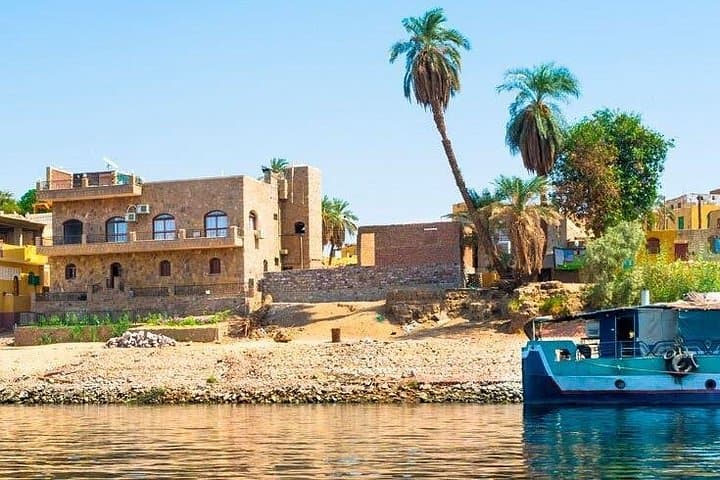
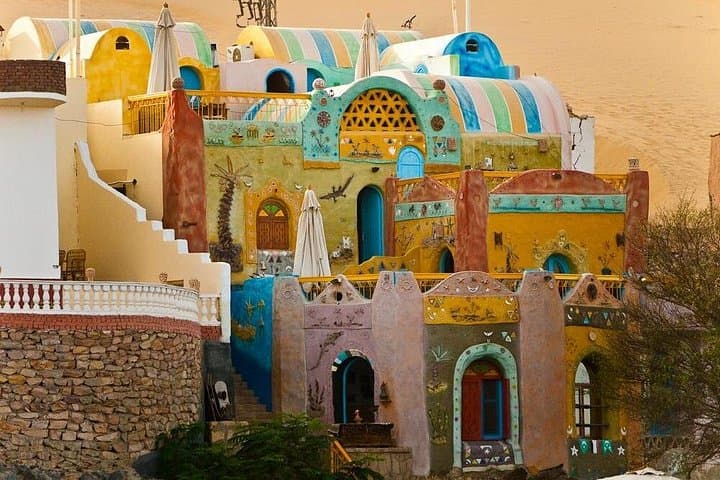
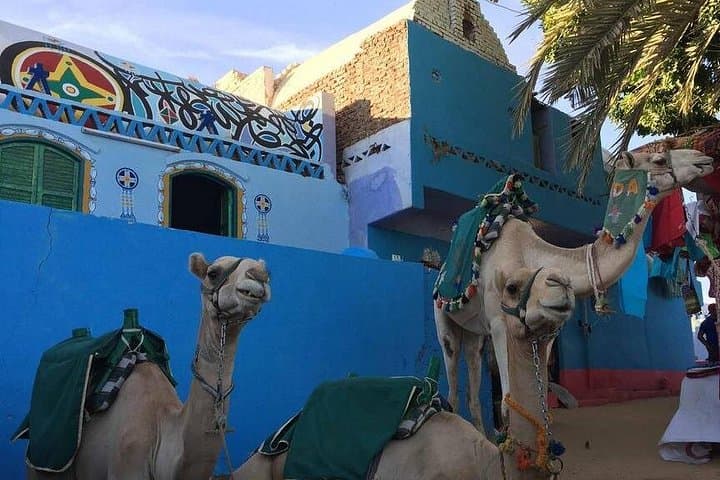
The Nile moves like a slow, persistent conversation as your small sailboat slips toward Soheil Island, palms shading narrow alleys and laundry lines fluttering like flags of daily life. You step off the boat onto soft, sun-warmed stone and follow a north–south path that threads two modern Nubian villages, stopping at a shaded garden café beside a painted traditional house.
The Nile moves like a slow, persistent conversation as your small sailboat slips toward Soheil Island, palms shading narrow alleys and laundry lines fluttering like flags of daily life. You step off the boat onto soft, sun-warmed stone and follow a north–south path that threads two modern Nubian villages, stopping at a shaded garden café beside a painted traditional house.
This landscape is layered—Pharaonic granite outcrops and island deposits formed by the river, a living cultural line that predates the modern Aswan town. Nubian communities here maintain distinct language, crafts and colorful painted homes, influenced by centuries of trade up and down the Nile and by the construction of the Aswan Low and later High Dam, which reshaped local waterways and agriculture.
Walks are short but rich: look for decorative mashrabiya windows, local pottery studios, and the simple geometry of courtyard houses. The felucca ride to the island is itself part of the day—sails filling with breeze and the river pushing you past reed beds and fishermen.
Practical guidance: plan for 3–4 hours, bring sun protection and a refillable water bottle, and wear closed-toe shoes for uneven alleys. Photography is welcome but ask before shooting portraits. Morning departures are cooler and offer crisper light; midafternoon visits are hotter but quieter. Support the local economy by buying a small craft or drinking tea at the Nubian Café. Respect private homes and archaeological sites: stay on marked paths and follow your guide’s directions to minimize impact and maximize the authenticity of the encounter.