THE ADVENTURE COLLECTIVE® · Independent discovery and booking for outdoor travel

Discover Portobello Road’s bakery scene on a two‑hour guided tasting that skips tourist traps for local favorites—sausage rolls, scones, Coronation Chicken and Indian‑spiced pastries. Perfect for food lovers who want an insider view of Notting Hill’s culinary layers.
Discover Portobello Road’s bakery scene on a two‑hour guided tasting that skips tourist traps for local favorites—sausage rolls, scones, Coronation Chicken and Indian‑spiced pastries. Perfect for food lovers who want an insider view of Notting Hill’s culinary layers.
Morning light slides across the pastel facades of Notting Hill as the first baker pulls a tray from a stone oven. Portobello Road wakes in layers of aroma—fresh butter, cinnamon, and spices borrowed from the neighborhood’s long-running immigrant kitchens. A local guide leads a small group along cobbled turns, pausing behind shopfronts where hole-in-the-wall bakers hand over warm sausage rolls, scones with jam and cream, and Coronation Chicken sandwiches that nod to postwar British culinary invention.
Verified experiences and guided adventures in the surrounding area.
Operated by London Food Tours by Eating Europe · London, England
Morning light slides across the pastel facades of Notting Hill as the first baker pulls a tray from a stone oven. Portobello Road wakes in layers of aroma—fresh butter, cinnamon, and spices borrowed from the neighborhood’s long-running immigrant kitchens. A local guide leads a small group along cobbled turns, pausing behind shopfronts where hole-in-the-wall bakers hand over warm sausage rolls, scones with jam and cream, and Coronation Chicken sandwiches that nod to postwar British culinary invention.
Portobello Road began as a 19th‑century lane serving West London’s expanding suburbs; its market grew into a patchwork of antiques, produce and fishmongers and later absorbed waves of Caribbean and South Asian migration. That cultural layering shows in the bakeries: Victorian recipes sit beside experimental, Indian‑spiced pastries that reflect living culinary exchange. Architecturally, the walk threads between Victorian terraces set on the London clay plain and narrow mews once used for stables—now painted houses give the route its character.
Practical guidance is straightforward. The two‑hour walking tasting covers roughly a mile of urban terrain—pavement and occasional cobbles—so wear comfortable shoes and bring a light jacket for unpredictable London weather. Portions are tasting-sized but bring snacks if you have a large appetite; card payments are widely accepted but smaller stalls may prefer contactless. Guests with serious allergies should notify the operator in advance; this tour is not suitable for strict gluten‑free or vegan diets. Aim for a morning slot to avoid market congestion and to try breads at peak freshness. Bring a reusable bag for pastries and a sense of curiosity: the best bites here are as much about people and place as they are about taste.
easy.
2 hours.
Light walking ability; suitable for most fitness levels who can stand and walk for short periods.
Portions are tasting-sized across 5 bakeries—enough to sample a variety but not intended as a full meal.
Yes—sidewalks and market areas are generally stroller-friendly, though cobbles and crowds may require extra care.
The tour notes it’s not suitable for strict gluten‑free or vegan diets and cannot accommodate severe, life‑threatening allergies—notify the operator when booking for minor requests.
Meet near Portobello Road (exact meeting point provided at booking); accessible by Notting Hill Gate and Ladbroke Grove stations via London Underground and local buses.
Portobello Road grew from a 19th‑century lane into one of London’s most famous markets; postwar immigration and local entrepreneurship shaped its food scene.
Support local businesses by bringing reusable bags and disposing of waste responsibly; bakeries often use limited packaging—ask before taking extra containers.
London Food Tours by Eating Europe operates guided outdoor trips and adventures with an emphasis on safety, stewardship, and memorable experiences.
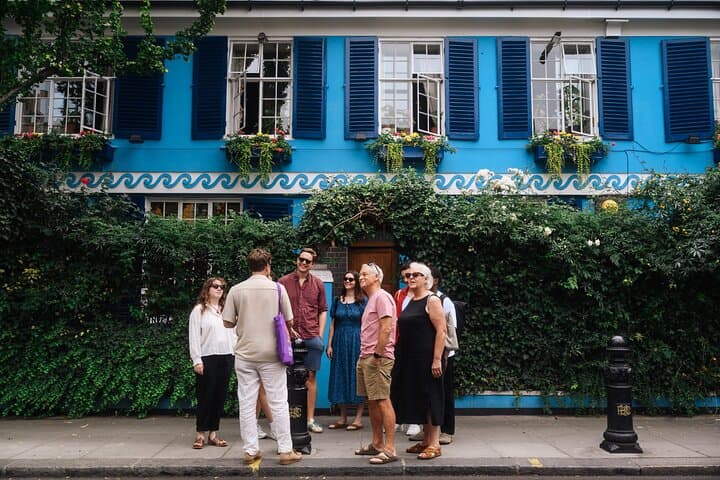
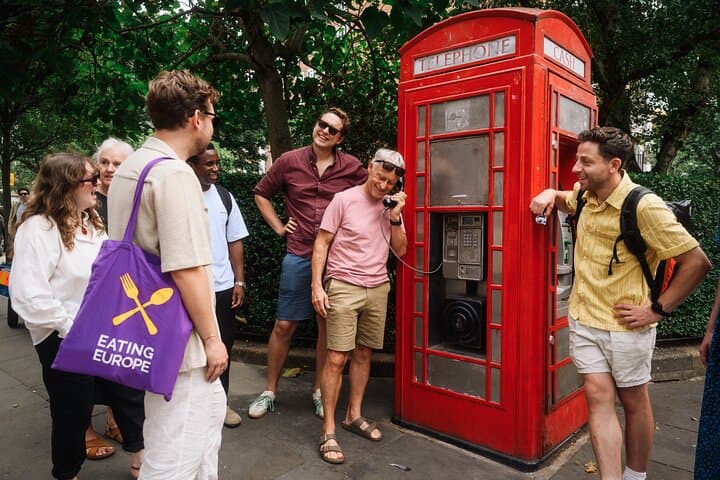
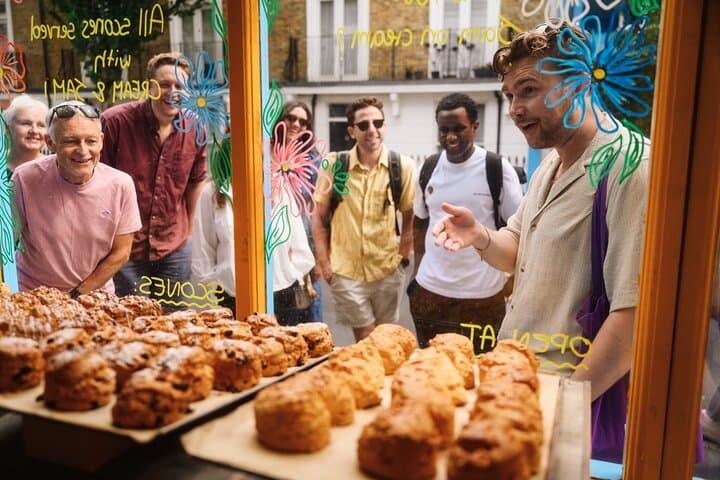
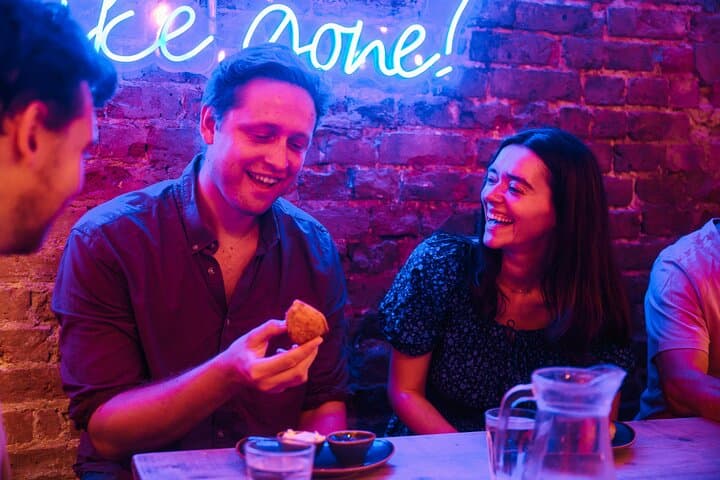
Morning light slides across the pastel facades of Notting Hill as the first baker pulls a tray from a stone oven. Portobello Road wakes in layers of aroma—fresh butter, cinnamon, and spices borrowed from the neighborhood’s long-running immigrant kitchens. A local guide leads a small group along cobbled turns, pausing behind shopfronts where hole-in-the-wall bakers hand over warm sausage rolls, scones with jam and cream, and Coronation Chicken sandwiches that nod to postwar British culinary invention.
Morning light slides across the pastel facades of Notting Hill as the first baker pulls a tray from a stone oven. Portobello Road wakes in layers of aroma—fresh butter, cinnamon, and spices borrowed from the neighborhood’s long-running immigrant kitchens. A local guide leads a small group along cobbled turns, pausing behind shopfronts where hole-in-the-wall bakers hand over warm sausage rolls, scones with jam and cream, and Coronation Chicken sandwiches that nod to postwar British culinary invention.
Portobello Road began as a 19th‑century lane serving West London’s expanding suburbs; its market grew into a patchwork of antiques, produce and fishmongers and later absorbed waves of Caribbean and South Asian migration. That cultural layering shows in the bakeries: Victorian recipes sit beside experimental, Indian‑spiced pastries that reflect living culinary exchange. Architecturally, the walk threads between Victorian terraces set on the London clay plain and narrow mews once used for stables—now painted houses give the route its character.
Practical guidance is straightforward. The two‑hour walking tasting covers roughly a mile of urban terrain—pavement and occasional cobbles—so wear comfortable shoes and bring a light jacket for unpredictable London weather. Portions are tasting-sized but bring snacks if you have a large appetite; card payments are widely accepted but smaller stalls may prefer contactless. Guests with serious allergies should notify the operator in advance; this tour is not suitable for strict gluten‑free or vegan diets. Aim for a morning slot to avoid market congestion and to try breads at peak freshness. Bring a reusable bag for pastries and a sense of curiosity: the best bites here are as much about people and place as they are about taste.