THE ADVENTURE COLLECTIVE® · Independent discovery and booking for outdoor travel

Step onto Pont Neuf and follow a guide through Ile de la Cité to the newly reopened Notre‑Dame. This 90‑minute walking experience pairs medieval history, Gothic architecture and practical visiting tips for first‑time travelers.
Step onto Pont Neuf and follow a guide through Ile de la Cité to the newly reopened Notre‑Dame. This 90‑minute walking experience pairs medieval history, Gothic architecture and practical visiting tips for first‑time travelers.
You step onto Pont Neuf as the Seine pushes a cool, steady current past the riverbanks. The statue of Henri IV presides at the bridge’s center; your guide waits with a small sign and a map of medieval Paris in their pocket. The air carries church bells, café hum and the sharp scent of river water—this is Ile de la Cité, the island that gave Paris its first shape.
Verified experiences and guided adventures in the surrounding area.
Operated by City Wonders Ltd · Paris, Île-de-France
You step onto Pont Neuf as the Seine pushes a cool, steady current past the riverbanks. The statue of Henri IV presides at the bridge’s center; your guide waits with a small sign and a map of medieval Paris in their pocket. The air carries church bells, café hum and the sharp scent of river water—this is Ile de la Cité, the island that gave Paris its first shape.
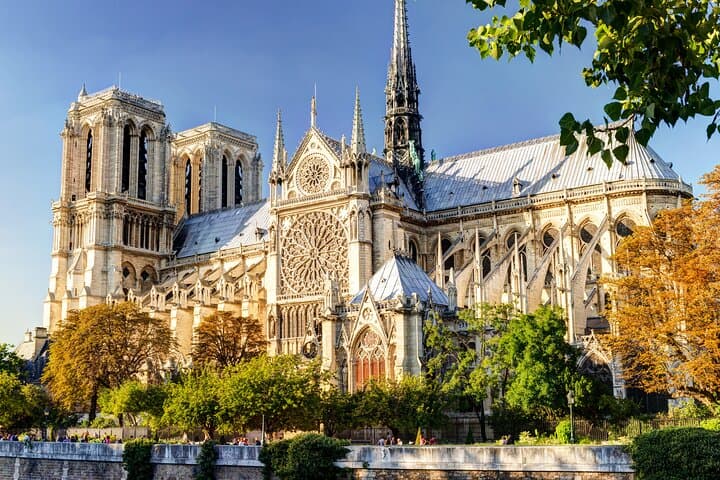
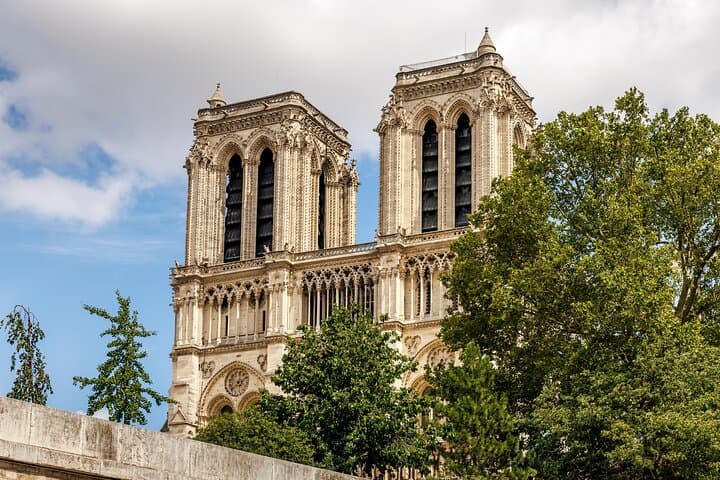
Walk with a guide and you’ll trace Roman foundations, royal processions and revolutionary streets. Buildings here were shaped by centuries of stonecutting and fire: Notre‑Dame’s Gothic ribs began rising in the 12th century, its flying buttresses responding to engineers who wanted light without collapse. Nearby, the Conciergerie recalls royal imprisonment; Sainte‑Chapelle still holds glass so richly colored it changes the angle of sunlight.
The cathedral, recently reopened after the 2019 fire and restoration, rewards a short, focused visit—stained glass, vault height, and restoration details that expose layers of time. Remember this is an active place of worship: dress modestly, expect security screening and occasional restricted access during services.
Practical guidance: plan 90 minutes—about 60 minutes guided around the island and 30 minutes inside Notre‑Dame (longer if you choose the guided interior option). Wear comfortable shoes for cobblestones, bring a small bag to pass security, and charge your phone for the official Notre‑Dame app and audio content. Morning slots avoid tour congestion; afternoons catch warmer light on the rose windows. Keep a light jacket for wind off the Seine and carry water—there are cafés nearby but limited seating inside the church.
This is a compact cultural walk that connects history, architecture and the city’s pulse—perfect for first‑time visitors who want context with the monuments.
easy.
1–1.5 hours.
Suitable for most fitness levels; involves moderate walking on cobblestones and short standing periods
Entrance to the cathedral interior is included with the access option described; general exterior viewing of Notre‑Dame is free, but escorted entry or guided interior options require the booked option.
The walking portion is on cobblestones and some access points have steps; the cathedral has limited accessible routes—contact the operator ahead to confirm accommodations.
Luggage and large backpacks are prohibited; all bags are screened and some items (tripods, sharp objects) will be refused—travel light.
This tour focuses on the island and the restored interior; tower access with close gargoyle views typically requires a separate ticket or tower‑specific visit, which may be restricted during restoration work.
Ile de la Cité is the historic core of Paris; construction of Notre‑Dame began in 1163 and the cathedral has been central to French religious and civic life ever since.
After the 2019 fire, an extensive restoration prioritized original materials and techniques; visitors are asked to respect restricted zones and support preservation through careful behavior.
City Wonders Ltd operates guided outdoor trips and adventures with an emphasis on safety, stewardship, and memorable experiences.
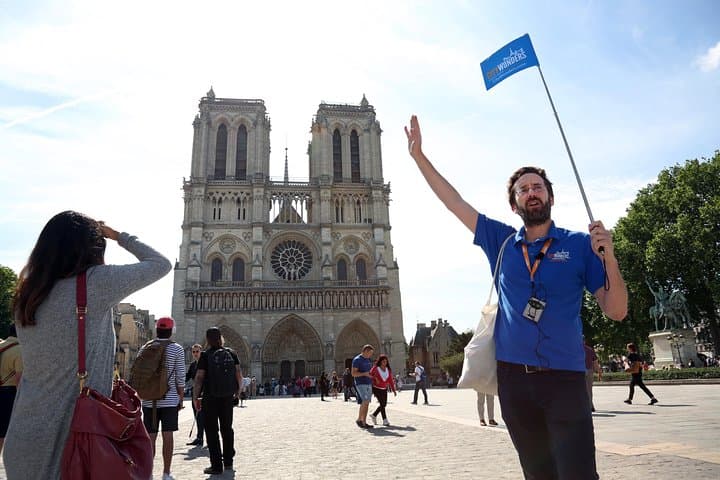
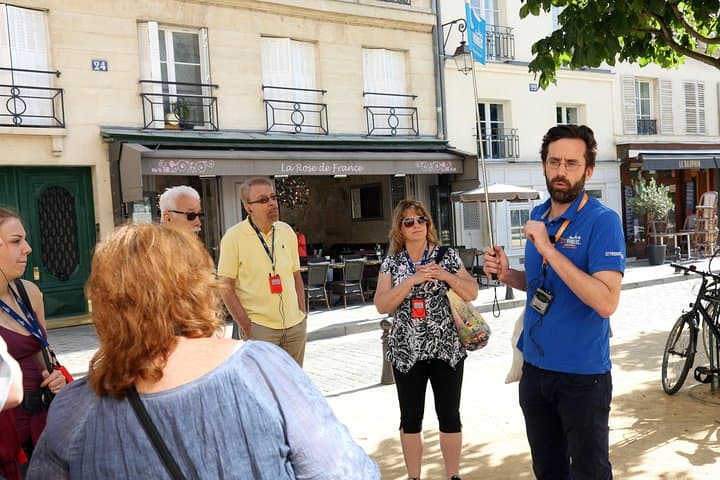
You step onto Pont Neuf as the Seine pushes a cool, steady current past the riverbanks. The statue of Henri IV presides at the bridge’s center; your guide waits with a small sign and a map of medieval Paris in their pocket. The air carries church bells, café hum and the sharp scent of river water—this is Ile de la Cité, the island that gave Paris its first shape.
You step onto Pont Neuf as the Seine pushes a cool, steady current past the riverbanks. The statue of Henri IV presides at the bridge’s center; your guide waits with a small sign and a map of medieval Paris in their pocket. The air carries church bells, café hum and the sharp scent of river water—this is Ile de la Cité, the island that gave Paris its first shape.
Walk with a guide and you’ll trace Roman foundations, royal processions and revolutionary streets. Buildings here were shaped by centuries of stonecutting and fire: Notre‑Dame’s Gothic ribs began rising in the 12th century, its flying buttresses responding to engineers who wanted light without collapse. Nearby, the Conciergerie recalls royal imprisonment; Sainte‑Chapelle still holds glass so richly colored it changes the angle of sunlight.
The cathedral, recently reopened after the 2019 fire and restoration, rewards a short, focused visit—stained glass, vault height, and restoration details that expose layers of time. Remember this is an active place of worship: dress modestly, expect security screening and occasional restricted access during services.
Practical guidance: plan 90 minutes—about 60 minutes guided around the island and 30 minutes inside Notre‑Dame (longer if you choose the guided interior option). Wear comfortable shoes for cobblestones, bring a small bag to pass security, and charge your phone for the official Notre‑Dame app and audio content. Morning slots avoid tour congestion; afternoons catch warmer light on the rose windows. Keep a light jacket for wind off the Seine and carry water—there are cafés nearby but limited seating inside the church.
This is a compact cultural walk that connects history, architecture and the city’s pulse—perfect for first‑time visitors who want context with the monuments.