THE ADVENTURE COLLECTIVE® · Independent discovery and booking for outdoor travel

Drive the dramatic Noto Peninsula on a private full-day tour from Kanazawa. Visit Wajima Morning Market, Senmaida rice terraces, traditional salt farms, and a temple complex with a local guide.
Drive the dramatic Noto Peninsula on a private full-day tour from Kanazawa. Visit Wajima Morning Market, Senmaida rice terraces, traditional salt farms, and a temple complex with a local guide.
You step from Kanazawa’s quiet streets into a car that hums north, the coastline widening like a promise. The road climbs and bends along the Noto Peninsula, where cliffs and rice terraces meet the Sea of Japan; salt-slick wind pushes the vehicle’s windows coolly, and the driver-guide reads the land like a local map.
Verified experiences and guided adventures in the surrounding area.
Operated by Kanazawa Tours · Wajima, Ishikawa
You step from Kanazawa’s quiet streets into a car that hums north, the coastline widening like a promise. The road climbs and bends along the Noto Peninsula, where cliffs and rice terraces meet the Sea of Japan; salt-slick wind pushes the vehicle’s windows coolly, and the driver-guide reads the land like a local map.
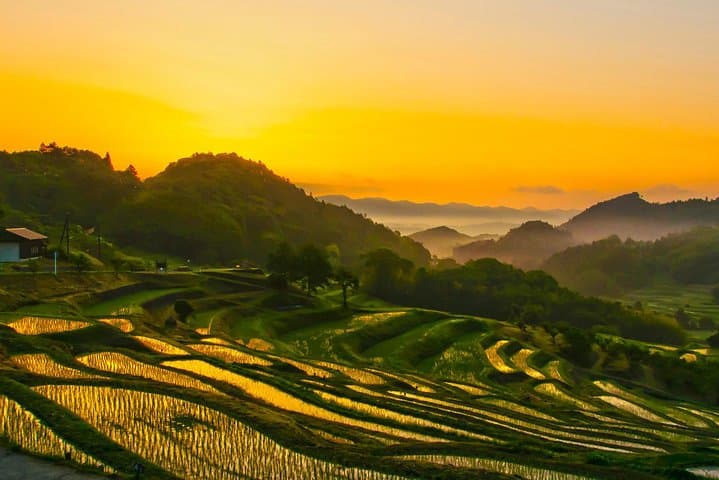
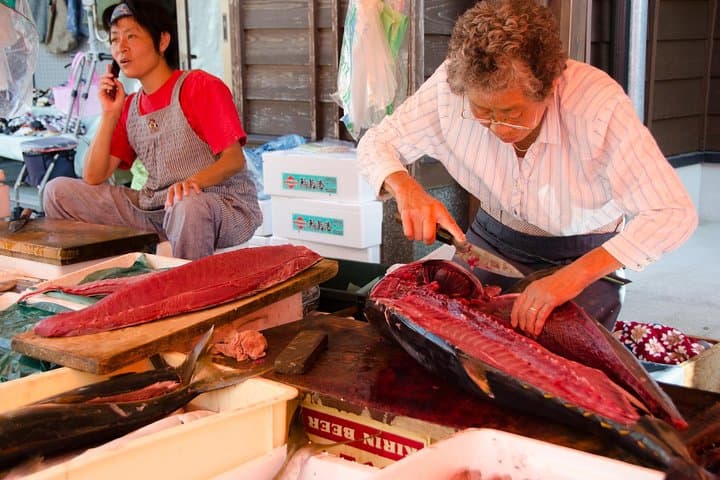
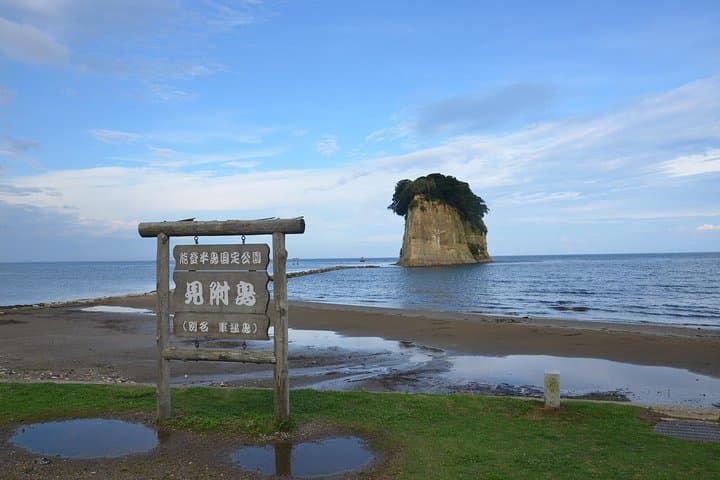
The route threads history and craft: Wajima’s morning market has traded fish and lacquerware for centuries, while Shiroyone’s senmaida rice terraces mirror ancient methods of hillside farming. Geologically the peninsula is an uplifted shelf of marine sediments and volcanic deposits, creating steep coastal bluffs, narrow coves, and beaches of unusually fine sand at Chirihama. In Suzu, the Agehama salt fields preserve a 500-year-old technique that yields mineral-rich salt by spreading seawater across clay-lined beds.
Culturally the region holds Nichiren temples and small fishing hamlets where artisans still use time-honed tools. The day-long private drive lets travelers pause at ocean outlooks, photograph geometrical paddies at golden hour, and watch salt rakers or lacquer artists at work.
Practical guidance: the tour runs roughly nine hours with moderate amounts of walking at stops; wear stable shoes for uneven terraces and shoreline sand. Carry a waterproof layer for coastal wind and compact sun protection. Allow extra time for narrow, rural roads and bring cash for small museums and local shops—many family-run sites accept only cash. Bookings commonly include air-conditioned transport and a local guide; cancellation policies typically require 24+ hours for a full refund.
easy.
9 hours.
Suitable for travelers of average fitness; minimal walking required but involves standing and short uneven trails at stops.
Most tours start in Kanazawa and return there the same day, though pickup points within Kanazawa are typically arranged during booking.
Inclusions vary by operator; common inclusions are transport and taxes, but meals and some admissions are often paid locally—confirm before booking.
The tour is by private car with short, mostly flat stops, but some sites have uneven ground and stairs; check accessibility specifics if mobility is a concern.
Expect several hours of driving over rural coastal roads across the peninsula with multiple short stops for views and visits.
Noto has long been a peripheral maritime region; its villages preserved ancient salt and rice-cultivation techniques and distinctive lacquer traditions influenced by centuries of coastal trade.
Many hillside paddies and salt fields are maintained by local communities; visitors should stick to paths, avoid trampling terraces, and respect working artisans to support heritage conservation.
Kanazawa Tours operates guided outdoor trips and adventures with an emphasis on safety, stewardship, and memorable experiences.
You step from Kanazawa’s quiet streets into a car that hums north, the coastline widening like a promise. The road climbs and bends along the Noto Peninsula, where cliffs and rice terraces meet the Sea of Japan; salt-slick wind pushes the vehicle’s windows coolly, and the driver-guide reads the land like a local map.
You step from Kanazawa’s quiet streets into a car that hums north, the coastline widening like a promise. The road climbs and bends along the Noto Peninsula, where cliffs and rice terraces meet the Sea of Japan; salt-slick wind pushes the vehicle’s windows coolly, and the driver-guide reads the land like a local map.
The route threads history and craft: Wajima’s morning market has traded fish and lacquerware for centuries, while Shiroyone’s senmaida rice terraces mirror ancient methods of hillside farming. Geologically the peninsula is an uplifted shelf of marine sediments and volcanic deposits, creating steep coastal bluffs, narrow coves, and beaches of unusually fine sand at Chirihama. In Suzu, the Agehama salt fields preserve a 500-year-old technique that yields mineral-rich salt by spreading seawater across clay-lined beds.
Culturally the region holds Nichiren temples and small fishing hamlets where artisans still use time-honed tools. The day-long private drive lets travelers pause at ocean outlooks, photograph geometrical paddies at golden hour, and watch salt rakers or lacquer artists at work.
Practical guidance: the tour runs roughly nine hours with moderate amounts of walking at stops; wear stable shoes for uneven terraces and shoreline sand. Carry a waterproof layer for coastal wind and compact sun protection. Allow extra time for narrow, rural roads and bring cash for small museums and local shops—many family-run sites accept only cash. Bookings commonly include air-conditioned transport and a local guide; cancellation policies typically require 24+ hours for a full refund.