THE ADVENTURE COLLECTIVE® · Independent discovery and booking for outdoor travel

Walk Noto’s main street and read Sicily’s Baroque in stone. This two-hour guided tour focuses on architecture, local history, and practical tips for timing and photography.
Walk Noto’s main street and read Sicily’s Baroque in stone. This two-hour guided tour focuses on architecture, local history, and practical tips for timing and photography.
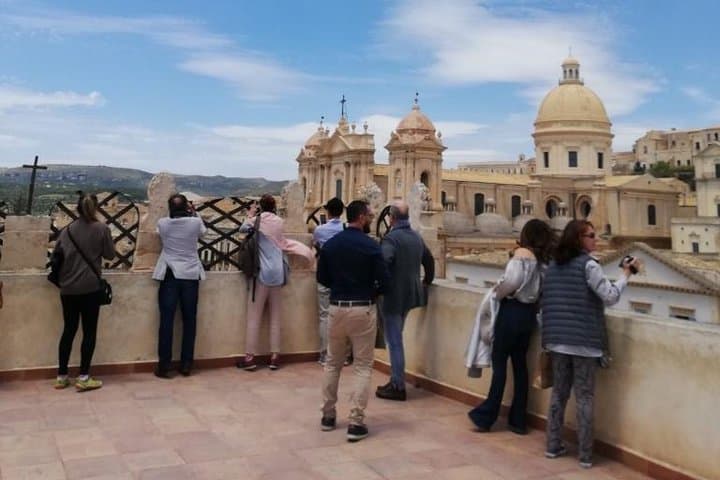
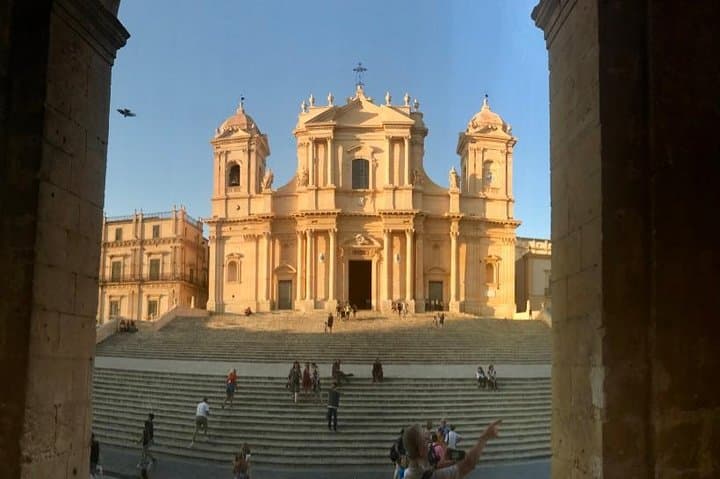
Sunlight moves across honey-colored façades and the city answers with a chorus of carved cornices and tall windows. Starting on Corso Vittorio Emanuele, this two-hour walk places you in the centre of Noto’s theatrical Baroque — a compact urban stage where churches, palaces and staircases present themselves as architectural acts.
Verified experiences and guided adventures in the surrounding area.
Operated by Italo Giordano (archeologo e tour guide) · Noto, Sicily
Sunlight moves across honey-colored façades and the city answers with a chorus of carved cornices and tall windows. Starting on Corso Vittorio Emanuele, this two-hour walk places you in the centre of Noto’s theatrical Baroque — a compact urban stage where churches, palaces and staircases present themselves as architectural acts.
The city rose from the ashes of the 1693 earthquake and was rebuilt in the early 18th century using local calcarenite, a soft limestone that takes on a warm glow at golden hour. That stone is both material and memory: it records the island’s geology and the era’s craftsmanship, visible in ornate balconies, sculpted saints, and a dominant cathedral façade.
Culturally, Noto sits within a Sicilian rhythm of markets, almond granita stands, and slow-paced afternoons. The guide introduces local anecdotes — aristocratic families who shaped the urban plan, and craftsmen who carved the details that still catch the eye.
Practical guidance follows the sightseeing. The route is paved and mostly level but includes a few stepped approaches; comfortable walking shoes and a small bottle of water will keep you focused on details instead of blisters. Aim for morning or late afternoon to avoid peak sun and to see the stone change color. Photographers should plan for sidelong light; history buffs will appreciate brief stops that anchor façades to post-earthquake urban planning.
This is an easy, archival tour of place and material: a focused way to read Sicily’s Baroque through street-level observation, local stories, and the tactile presence of warm stone underfoot.
easy.
2 hours.
Suitable for most fitness levels; requires standing and walking on paved streets for up to two hours.
The guided walk lasts approximately two hours and covers Corso Vittorio Emanuele and the primary monuments along the main street.
Yes; most areas are accessible and the operator notes wheelchair-accessible surfaces and transport options.
This walking tour focuses on exterior views and commentary; entrance fees to interiors are not included unless specified by the operator.
Language options depend on the schedule; check the operator’s booking page for current guide language availability.
Noto was rebuilt in the early 18th century after the 1693 earthquake; its urban plan and Baroque architecture reflect both the reconstruction effort and local stonecraft.
Local conservation projects focus on stabilizing calcarenite façades and managing tourist impact; visitors are encouraged to follow marked routes and avoid touching carved surfaces.
Italo Giordano (archeologo e tour guide) operates guided outdoor trips and adventures with an emphasis on safety, stewardship, and memorable experiences.


Sunlight moves across honey-colored façades and the city answers with a chorus of carved cornices and tall windows. Starting on Corso Vittorio Emanuele, this two-hour walk places you in the centre of Noto’s theatrical Baroque — a compact urban stage where churches, palaces and staircases present themselves as architectural acts.
Sunlight moves across honey-colored façades and the city answers with a chorus of carved cornices and tall windows. Starting on Corso Vittorio Emanuele, this two-hour walk places you in the centre of Noto’s theatrical Baroque — a compact urban stage where churches, palaces and staircases present themselves as architectural acts.
The city rose from the ashes of the 1693 earthquake and was rebuilt in the early 18th century using local calcarenite, a soft limestone that takes on a warm glow at golden hour. That stone is both material and memory: it records the island’s geology and the era’s craftsmanship, visible in ornate balconies, sculpted saints, and a dominant cathedral façade.
Culturally, Noto sits within a Sicilian rhythm of markets, almond granita stands, and slow-paced afternoons. The guide introduces local anecdotes — aristocratic families who shaped the urban plan, and craftsmen who carved the details that still catch the eye.
Practical guidance follows the sightseeing. The route is paved and mostly level but includes a few stepped approaches; comfortable walking shoes and a small bottle of water will keep you focused on details instead of blisters. Aim for morning or late afternoon to avoid peak sun and to see the stone change color. Photographers should plan for sidelong light; history buffs will appreciate brief stops that anchor façades to post-earthquake urban planning.
This is an easy, archival tour of place and material: a focused way to read Sicily’s Baroque through street-level observation, local stories, and the tactile presence of warm stone underfoot.