THE ADVENTURE COLLECTIVE® · Independent discovery and booking for outdoor travel

Spend a day from Nosy Be on the ethereal sandbank and beaches of Nosy Iranja, where clear water, coral gardens and nesting hawksbill turtles define the visit. Time your trip for low tide, bring reef-safe sunscreen and a snorkel to make the most of this 7-hour island escape.
Spend a day from Nosy Be on the ethereal sandbank and beaches of Nosy Iranja, where clear water, coral gardens and nesting hawksbill turtles define the visit. Time your trip for low tide, bring reef-safe sunscreen and a snorkel to make the most of this 7-hour island escape.
You step off the pirogue and the sandbank is there — a pale ribbon pushing out into the Indian Ocean, water on both sides whispering and tugging at your ankles. The larger island, Nosy Iranja Be, and its smaller twin are split by that transient spit of sand that appears at low tide, creating wide beaches and shallow, glassy lagoons ideal for a day of snorkeling and shoreline walking.
Verified experiences and guided adventures in the surrounding area.
Operated by Julien gasy guy · Andoany (Hell-Ville), Diana Region
You step off the pirogue and the sandbank is there — a pale ribbon pushing out into the Indian Ocean, water on both sides whispering and tugging at your ankles. The larger island, Nosy Iranja Be, and its smaller twin are split by that transient spit of sand that appears at low tide, creating wide beaches and shallow, glassy lagoons ideal for a day of snorkeling and shoreline walking.
Geology here is simple and dramatic: waves, currents and coral rubble build and remake the sandbank seasonally, while fringing reefs hold gardens of hard and soft coral. The human imprint includes a small fishing village and a 1909 lighthouse attributed to the same era of French engineering influence — a practical marker with surprising history that locals point out with quiet pride. The beaches are important nesting grounds for hawksbill turtles; the sea and sky feel alive, often patrolled by frigatebirds and terns.
Practical guidance: this is a day tour (about seven hours) best scheduled around the low tide so the sandbar is exposed and snorkeling has good visibility. Wear reef shoes and bring reef-safe sunscreen; coral and turtle nesting areas are fragile. Expect a simple Malagasy lunch in the village — bring small bills for souvenirs. Water temps are warm; sun exposure is intense so a sun hat and hydration are essential.
Respect the nesting beaches, avoid stepping on coral, and keep noise low near the village. For travelers after a quiet, low-effort day on spectacular white sand and clear water, Nosy Iranja delivers: easy logistics from Nosy Be, clear water for snorkelers, and the rare pleasure of a sandbar that dares you to cross it.
easy.
7 hours.
Suitable for all fitness levels; includes short walks on sand and shallow snorkeling from shore or a dock
Most itineraries are around seven hours from Nosy Be, including boat transfers, time on the islands, a village lunch and snorkeling; expect several short walks on sand and easy water entries.
Plan for low tide — the sandbank that connects the two islands is most extensive at low tide and reduces at high tide; your operator usually schedules visits accordingly.
Yes — Nosy Iranja is a known nesting area for hawksbill turtles. Do not approach nesting turtles, stay off marked nesting zones, and avoid bright lights at night.
Yes — shallow lagoons and calm days make snorkeling accessible to beginners, though conditions vary and a basic swimmer’s comfort in shallow open water is recommended.
The island’s lighthouse and colonial-era references date to early 20th-century French influence; the structure is often mentioned by guides when explaining local maritime history.
The beaches serve as turtle nesting sites and reefs are vulnerable—respect marked zones, use reef-safe products, and avoid collecting shells or coral fragments.
Julien gasy guy operates guided outdoor trips and adventures with an emphasis on safety, stewardship, and memorable experiences.
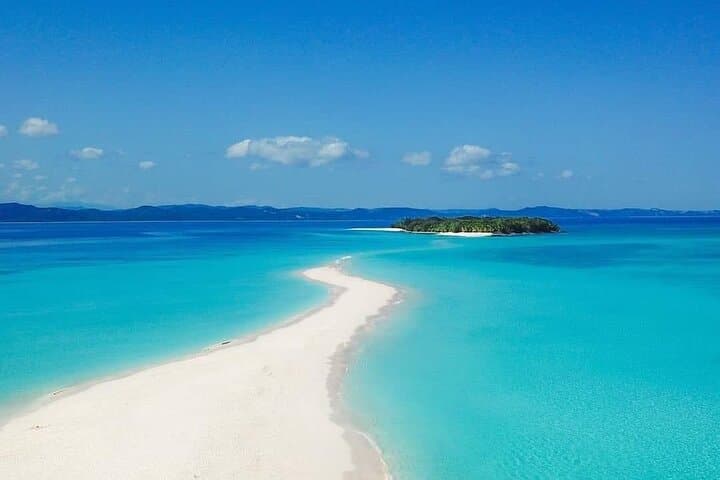


You step off the pirogue and the sandbank is there — a pale ribbon pushing out into the Indian Ocean, water on both sides whispering and tugging at your ankles. The larger island, Nosy Iranja Be, and its smaller twin are split by that transient spit of sand that appears at low tide, creating wide beaches and shallow, glassy lagoons ideal for a day of snorkeling and shoreline walking.
You step off the pirogue and the sandbank is there — a pale ribbon pushing out into the Indian Ocean, water on both sides whispering and tugging at your ankles. The larger island, Nosy Iranja Be, and its smaller twin are split by that transient spit of sand that appears at low tide, creating wide beaches and shallow, glassy lagoons ideal for a day of snorkeling and shoreline walking.
Geology here is simple and dramatic: waves, currents and coral rubble build and remake the sandbank seasonally, while fringing reefs hold gardens of hard and soft coral. The human imprint includes a small fishing village and a 1909 lighthouse attributed to the same era of French engineering influence — a practical marker with surprising history that locals point out with quiet pride. The beaches are important nesting grounds for hawksbill turtles; the sea and sky feel alive, often patrolled by frigatebirds and terns.
Practical guidance: this is a day tour (about seven hours) best scheduled around the low tide so the sandbar is exposed and snorkeling has good visibility. Wear reef shoes and bring reef-safe sunscreen; coral and turtle nesting areas are fragile. Expect a simple Malagasy lunch in the village — bring small bills for souvenirs. Water temps are warm; sun exposure is intense so a sun hat and hydration are essential.
Respect the nesting beaches, avoid stepping on coral, and keep noise low near the village. For travelers after a quiet, low-effort day on spectacular white sand and clear water, Nosy Iranja delivers: easy logistics from Nosy Be, clear water for snorkelers, and the rare pleasure of a sandbar that dares you to cross it.