THE ADVENTURE COLLECTIVE® · Independent discovery and booking for outdoor travel

Follow the cinematic footsteps of Nosferatu through Lübeck’s medieval heart on a self-guided GPS walking tour. Solve location-based puzzles, visit haunting film sites and historic alleys at your own pace.
Follow the cinematic footsteps of Nosferatu through Lübeck’s medieval heart on a self-guided GPS walking tour. Solve location-based puzzles, visit haunting film sites and historic alleys at your own pace.
A damp wind threads between brick towers as you step through Holstentor’s arched gate—the city exhales centuries of salt, soot and stories. This self-guided GPS walk follows the shadow-lines of Nosferatu and the real, darker chapters of Lübeck: plague lore, wartime scars, and merchant-era power plays. The route moves across cobbled alleys, past red-brick churches and narrow Durchgang passageways that once funneled tradesmen and, some say, restless spirits.
Verified experiences and guided adventures in the surrounding area.
Operated by Leplace - interactive self-guided app tours · Lübeck, Schleswig-Holstein
A damp wind threads between brick towers as you step through Holstentor’s arched gate—the city exhales centuries of salt, soot and stories. This self-guided GPS walk follows the shadow-lines of Nosferatu and the real, darker chapters of Lübeck: plague lore, wartime scars, and merchant-era power plays. The route moves across cobbled alleys, past red-brick churches and narrow Durchgang passageways that once funneled tradesmen and, some say, restless spirits.
Lübeck’s skyline—dominated by St. Mary’s and the Holstentor—reflects northern Germany’s Hanseatic wealth and brick Gothic geology: clay-rich soils baked into massive, enduring façades. The tour stitches cinematic locations from the 1922 film with sites like the Kaak building, the old Zeughaus and locations unearthed after WWII bombings. Cultural notes surface in small things: a marzipan-scented gin at Café Dietrich, inscriptions above gateways, and the synagogue’s contested façade, reminders of a civic past that reshaped itself every century.
Practically, expect about two hours of urban walking over uneven cobbles and occasional steps; the app paces you with GPS prompts and puzzles to unlock the next stop. Start in daylight to read plaques; return after dusk if you want atmosphere—street lamps make the alleys conspiratorial. Carry a charged phone, a lightweight rain layer, and shoes with good soles; watch for tram tracks and slick stones after rain. The self-guided format gives flexibility—pause, linger in courtyards, and follow curiosity. In Lübeck, history isn’t inert; it presses close and dares you to ask which stories are haunted and which are simply persistent.
easy.
2 hours.
Suitable for most fitness levels; requires standing and moderate walking on uneven pavements for up to two hours.
No—this is self-guided and available on demand; you can begin as soon as you install the app and activate the tour.
Yes, the app and content are provided in English; check the app settings or confirmation email for language options.
Not fully—cobblestones, steps and narrow passageways make parts of the tour unsuitable for wheelchairs or mobility-impaired visitors.
Full refund is available if canceled at least 24 hours before the booked start time; see booking terms for details.
Lübeck was the leading city of the Hanseatic League; its 15th‑century Holstentor and brick Gothic churches reflect centuries of maritime trade and mercantile wealth.
The old town is protected as a UNESCO World Heritage area—stay on marked paths, avoid graffiti and respect fragile historic masonry.
Leplace - interactive self-guided app tours operates guided outdoor trips and adventures with an emphasis on safety, stewardship, and memorable experiences.
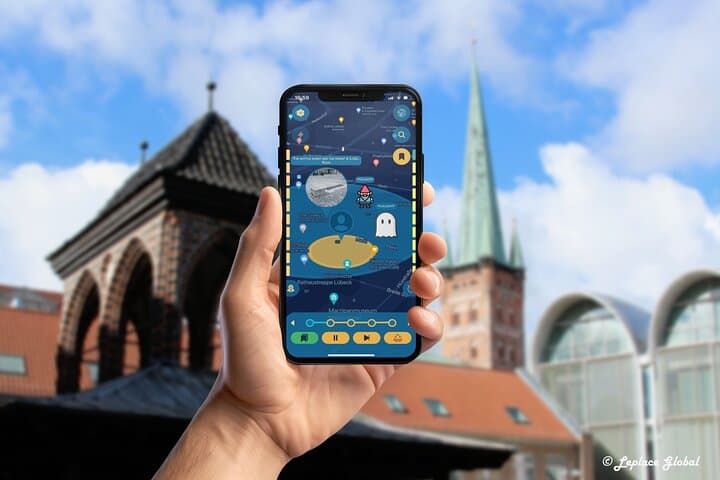
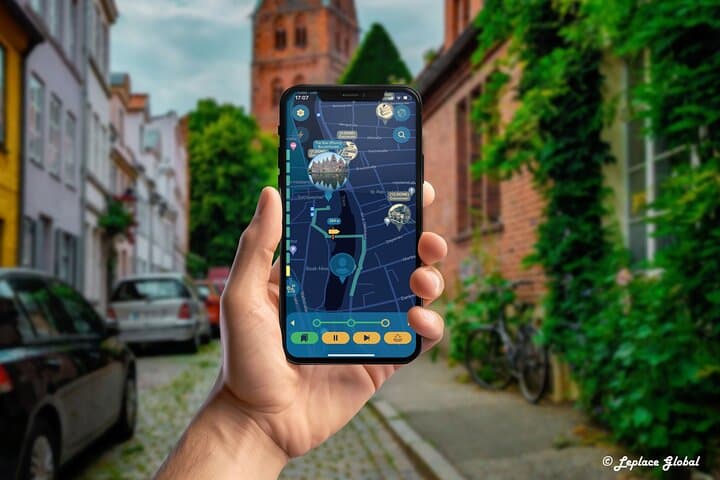
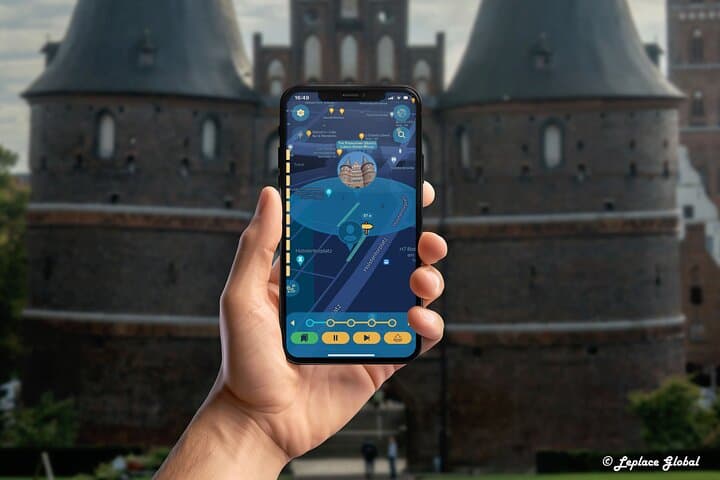
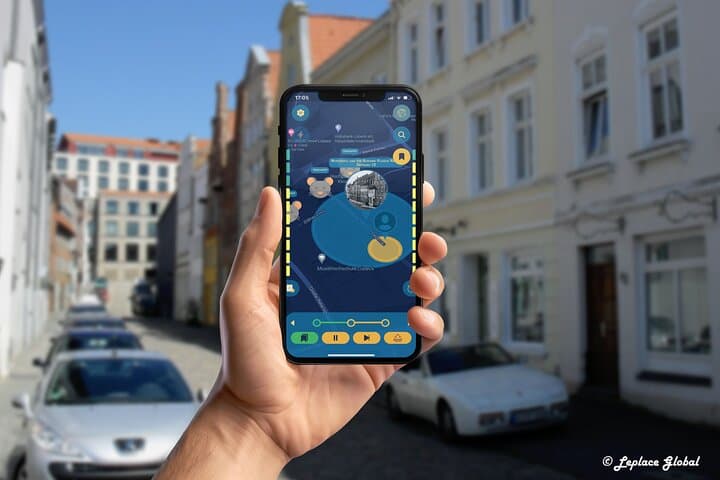
A damp wind threads between brick towers as you step through Holstentor’s arched gate—the city exhales centuries of salt, soot and stories. This self-guided GPS walk follows the shadow-lines of Nosferatu and the real, darker chapters of Lübeck: plague lore, wartime scars, and merchant-era power plays. The route moves across cobbled alleys, past red-brick churches and narrow Durchgang passageways that once funneled tradesmen and, some say, restless spirits.
A damp wind threads between brick towers as you step through Holstentor’s arched gate—the city exhales centuries of salt, soot and stories. This self-guided GPS walk follows the shadow-lines of Nosferatu and the real, darker chapters of Lübeck: plague lore, wartime scars, and merchant-era power plays. The route moves across cobbled alleys, past red-brick churches and narrow Durchgang passageways that once funneled tradesmen and, some say, restless spirits.
Lübeck’s skyline—dominated by St. Mary’s and the Holstentor—reflects northern Germany’s Hanseatic wealth and brick Gothic geology: clay-rich soils baked into massive, enduring façades. The tour stitches cinematic locations from the 1922 film with sites like the Kaak building, the old Zeughaus and locations unearthed after WWII bombings. Cultural notes surface in small things: a marzipan-scented gin at Café Dietrich, inscriptions above gateways, and the synagogue’s contested façade, reminders of a civic past that reshaped itself every century.
Practically, expect about two hours of urban walking over uneven cobbles and occasional steps; the app paces you with GPS prompts and puzzles to unlock the next stop. Start in daylight to read plaques; return after dusk if you want atmosphere—street lamps make the alleys conspiratorial. Carry a charged phone, a lightweight rain layer, and shoes with good soles; watch for tram tracks and slick stones after rain. The self-guided format gives flexibility—pause, linger in courtyards, and follow curiosity. In Lübeck, history isn’t inert; it presses close and dares you to ask which stories are haunted and which are simply persistent.