THE ADVENTURE COLLECTIVE® · Independent discovery and booking for outdoor travel

A packed 6–8 day route through northern Vietnam that links Sapa terraces, the Ha Giang Loop, Ban Gioc waterfall and Ba Be Lake. Expect mountain passes, minority villages, cave stops and homestays.
A packed 6–8 day route through northern Vietnam that links Sapa terraces, the Ha Giang Loop, Ban Gioc waterfall and Ba Be Lake. Expect mountain passes, minority villages, cave stops and homestays.
You step off the bus into a thin, cool air and the terraces of Sapa fold away beneath low cloud—green steps cut into steep limestone and shale. Guides meet you with tea; water buffalo graze, and narrow trails thread between minority villages where children wave and women in embroidered indigo work the fields.
Verified experiences and guided adventures in the surrounding area.
Operated by Authentic Adventures · Hanoi, Hanoi
You step off the bus into a thin, cool air and the terraces of Sapa fold away beneath low cloud—green steps cut into steep limestone and shale. Guides meet you with tea; water buffalo graze, and narrow trails thread between minority villages where children wave and women in embroidered indigo work the fields.
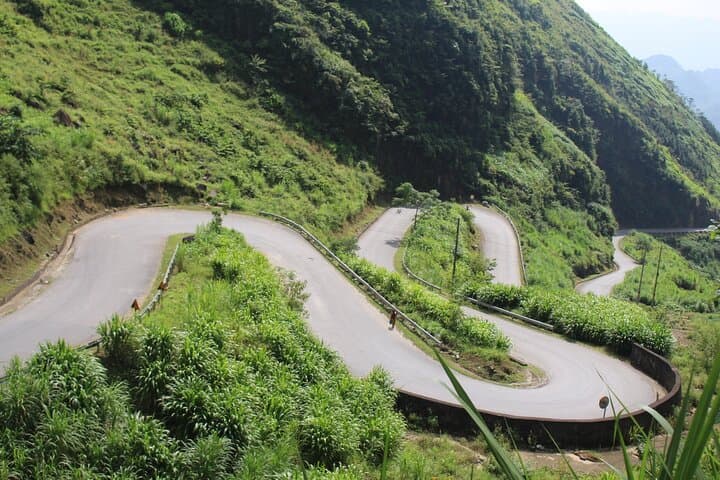
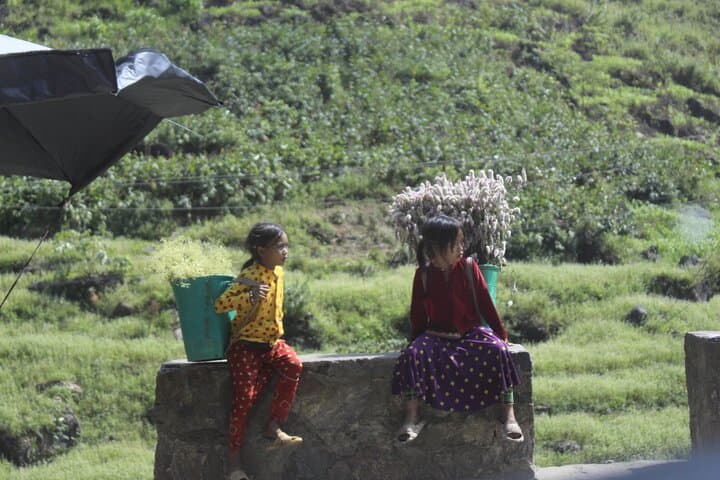
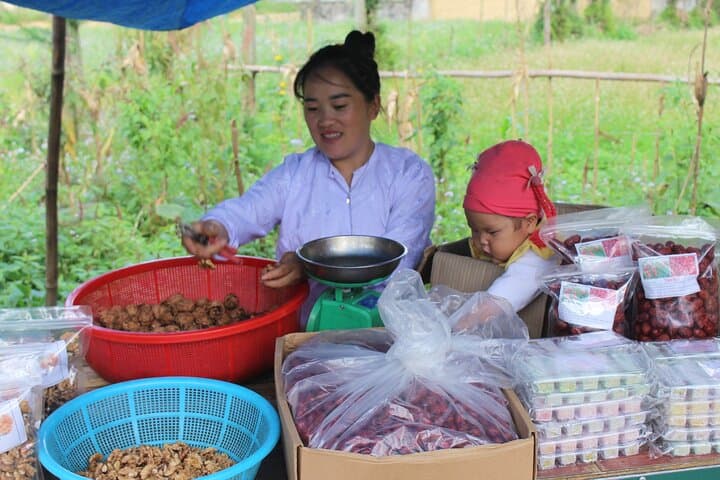
This route stitches together key northern highlights: Sapa’s highland terraces and Fansipan massif, the jagged karst and winding roads of the Ha Giang Loop and Ma Pi Leng, the thunder of Ban Gioc at the China border, and the quiet waterways of Ba Be Lake. Geologically the area is dominated by older limestone plateaus (Dong Van Karst Plateau, an UNESCO Global Geopark) and younger alluvial valleys, producing dramatic cliffs, caves and multi-tier waterfalls. Culturally the journey is shaped by Hmong, Tay and Giay minority groups—wooden stilt houses, woven costumes, and vibrant weekly markets remain central to village life.
Expect mixed terrain: 2–6 hour guided day-hikes on uneven, sometimes muddy trails; long scenic drives over mountain passes (elevations often 1,200–1,900 m); short boat trips on Ba Be; and homestay nights that favor simple comfort over luxury.
Practical guidance: carry layered waterproofs for rapid weather shifts, sturdy trail shoes for rocky sections, and cash for remote markets. Pace travel days to avoid altitude fatigue—allow extra time for photo stops on Tram Ton and Ma Pi Leng. Book through a reputable operator for local guides and homestays that directly support village economies.
moderate.
6–8 days.
Moderate fitness recommended—able to handle multiple 2–6 hour walks, long vehicle transfers and stairs; not technical but steady stamina helps.
The trip combines easy village walks, moderate day-hikes (2–6 hours) and long road transfers; it’s suitable for travelers in reasonable health but not for those requiring full accessibility.
Elevations commonly reach 1,200–1,900 m (Sapa and mountain passes); symptoms are usually mild—pace yourself, hydrate, and avoid heavy exertion the first day.
Vietnamese is primary; local minority languages are common in villages. Guides provide interpretation and cultural context and are recommended for navigation and logistics.
Yes—this itinerary typically includes private rooms in hotels or homestays and most breakfasts, lunches and dinners as listed by the operator; check specifics at booking.
The Dong Van Plateau and surrounding valleys have been home to Hmong, Tay, Giay and other groups for centuries; the Dong Van Karst Plateau is recognized as a UNESCO Global Geopark for its unique limestone history.
Tourism supports village incomes but also pressures fragile karst and riparian habitats—choose operators who follow leave-no-trace practices and support homestays.
Authentic Adventures operates guided outdoor trips and adventures with an emphasis on safety, stewardship, and memorable experiences.

You step off the bus into a thin, cool air and the terraces of Sapa fold away beneath low cloud—green steps cut into steep limestone and shale. Guides meet you with tea; water buffalo graze, and narrow trails thread between minority villages where children wave and women in embroidered indigo work the fields.
You step off the bus into a thin, cool air and the terraces of Sapa fold away beneath low cloud—green steps cut into steep limestone and shale. Guides meet you with tea; water buffalo graze, and narrow trails thread between minority villages where children wave and women in embroidered indigo work the fields.
This route stitches together key northern highlights: Sapa’s highland terraces and Fansipan massif, the jagged karst and winding roads of the Ha Giang Loop and Ma Pi Leng, the thunder of Ban Gioc at the China border, and the quiet waterways of Ba Be Lake. Geologically the area is dominated by older limestone plateaus (Dong Van Karst Plateau, an UNESCO Global Geopark) and younger alluvial valleys, producing dramatic cliffs, caves and multi-tier waterfalls. Culturally the journey is shaped by Hmong, Tay and Giay minority groups—wooden stilt houses, woven costumes, and vibrant weekly markets remain central to village life.
Expect mixed terrain: 2–6 hour guided day-hikes on uneven, sometimes muddy trails; long scenic drives over mountain passes (elevations often 1,200–1,900 m); short boat trips on Ba Be; and homestay nights that favor simple comfort over luxury.
Practical guidance: carry layered waterproofs for rapid weather shifts, sturdy trail shoes for rocky sections, and cash for remote markets. Pace travel days to avoid altitude fatigue—allow extra time for photo stops on Tram Ton and Ma Pi Leng. Book through a reputable operator for local guides and homestays that directly support village economies.