THE ADVENTURE COLLECTIVE® · Independent discovery and booking for outdoor travel

Covering Hanoi, Halong Bay, Ninh Binh and Sapa in five days, this combo tour pairs karst river cruises, a night aboard a traditional junk, and mountain treks through ethnic villages. Expect long transfers, short hikes, local meals, and a mix of coastal and highland climates.
Covering Hanoi, Halong Bay, Ninh Binh and Sapa in five days, this combo tour pairs karst river cruises, a night aboard a traditional junk, and mountain treks through ethnic villages. Expect long transfers, short hikes, local meals, and a mix of coastal and highland climates.
You step out of a Hanoi hotel before dawn and the motorbike chorus thins as the coach hums north: rice paddies unfurl, limestone teeth rise, and the air tastes faintly of salt and wood smoke. Over five days you move from the Red River Delta to the emerald scatter of Halong Bay, then inland to the karst river valleys of Ninh Binh and the terraced heights of Sapa.
Verified experiences and guided adventures in the surrounding area.
Operated by Best Of Indochina Travel · Hanoi, Hanoi
You step out of a Hanoi hotel before dawn and the motorbike chorus thins as the coach hums north: rice paddies unfurl, limestone teeth rise, and the air tastes faintly of salt and wood smoke. Over five days you move from the Red River Delta to the emerald scatter of Halong Bay, then inland to the karst river valleys of Ninh Binh and the terraced heights of Sapa.
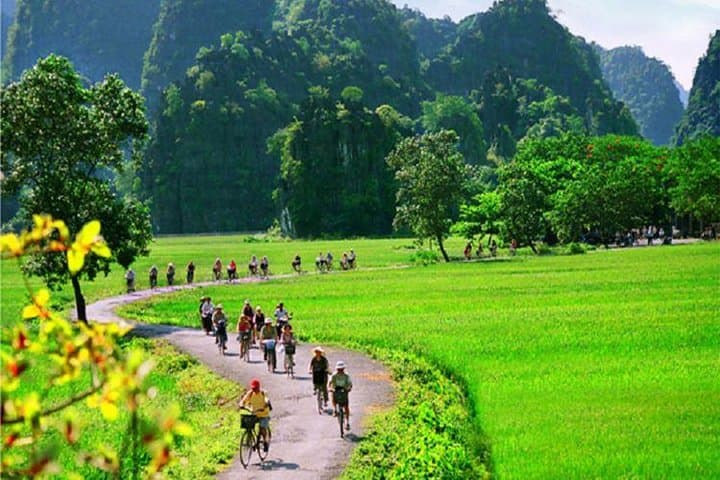
The route stitches together eras and geologies. Hoa Lu’s twin temples mark a 10th‑century capital; Tam Coc’s drowned karst—often called “Halong Bay on land”—has been carved by the Ngo Dong River into caves and cliffs. Halong’s limestone islands were sculpted by millions of years of uplift and sea, and the Hoang Lien Son range around Sapa rises toward Fansipan, the region’s 3,143‑meter high peak.
Culturally, the trip threads local markets, Black H’mong and Dzay villages, and boat communities; expect simple homestyle meals, traditional dress at market stalls, and bilingual local guides. Practically: plan for long transfers (Hanoi–Ninh Binh ≈90 km, Hanoi–Halong ≈165 km, Hanoi–Sapa ≈330 km each way), a 1‑night cruise and 1‑night Sapa hotel, short day treks (Cat Cat ≈2.5 km, Y Linh Ho→Ta Van ≈9 km), and a 2‑hour rowing boat through Tam Coc plus optional kayaking in Halong.
Pack layered clothing for coastal humidity and mountain chills, sturdy walking shoes for terraces and slick cave approaches, and a small daypack for water and rain gear. Timings favor early starts to avoid midday heat and to catch Halong sunrise views. Respect village customs, carry cash for small purchases, and leave no trace: these landscapes rely on small communities and fragile karst ecosystems.
moderate.
5 days.
Moderate fitness needed: able to walk 2–9 km on uneven trails, handle stairs and short uphill sections, and tolerate 3–4 hour bus transfers.
Visa rules depend on your nationality; many travelers need a visa for Vietnam—check consular requirements and arrange a visa or e-visa before arrival.
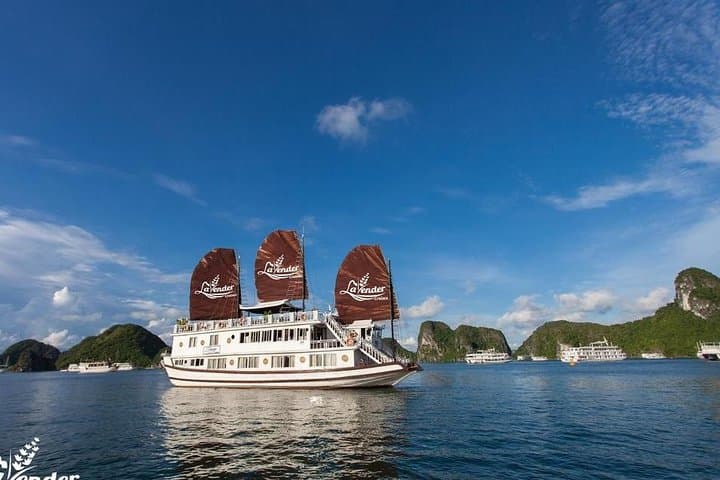
This package uses 3‑star-class boats—cabins are modest but clean, with private bathrooms; expect simple meals and shared deck space for views.
Sapa sits around 1,500 meters and includes valley walking and short ascents; altitude is mild for most travelers but bring warm layers for chilly mornings.
Local meals are included but accommodations vary—inform the operator at booking about allergies or dietary needs so guides and kitchens can adjust when possible.
Hoa Lu served as Vietnam’s 10th‑century capital; the area’s temples commemorate early dynastic rulers and the shift of power toward present-day Hanoi.
Halong and Ninh Binh karst systems are ecologically sensitive—avoid single‑use plastics, stay on established paths, and support community-run services to limit environmental impact.
Best Of Indochina Travel operates guided outdoor trips and adventures with an emphasis on safety, stewardship, and memorable experiences.


You step out of a Hanoi hotel before dawn and the motorbike chorus thins as the coach hums north: rice paddies unfurl, limestone teeth rise, and the air tastes faintly of salt and wood smoke. Over five days you move from the Red River Delta to the emerald scatter of Halong Bay, then inland to the karst river valleys of Ninh Binh and the terraced heights of Sapa.
You step out of a Hanoi hotel before dawn and the motorbike chorus thins as the coach hums north: rice paddies unfurl, limestone teeth rise, and the air tastes faintly of salt and wood smoke. Over five days you move from the Red River Delta to the emerald scatter of Halong Bay, then inland to the karst river valleys of Ninh Binh and the terraced heights of Sapa.
The route stitches together eras and geologies. Hoa Lu’s twin temples mark a 10th‑century capital; Tam Coc’s drowned karst—often called “Halong Bay on land”—has been carved by the Ngo Dong River into caves and cliffs. Halong’s limestone islands were sculpted by millions of years of uplift and sea, and the Hoang Lien Son range around Sapa rises toward Fansipan, the region’s 3,143‑meter high peak.
Culturally, the trip threads local markets, Black H’mong and Dzay villages, and boat communities; expect simple homestyle meals, traditional dress at market stalls, and bilingual local guides. Practically: plan for long transfers (Hanoi–Ninh Binh ≈90 km, Hanoi–Halong ≈165 km, Hanoi–Sapa ≈330 km each way), a 1‑night cruise and 1‑night Sapa hotel, short day treks (Cat Cat ≈2.5 km, Y Linh Ho→Ta Van ≈9 km), and a 2‑hour rowing boat through Tam Coc plus optional kayaking in Halong.
Pack layered clothing for coastal humidity and mountain chills, sturdy walking shoes for terraces and slick cave approaches, and a small daypack for water and rain gear. Timings favor early starts to avoid midday heat and to catch Halong sunrise views. Respect village customs, carry cash for small purchases, and leave no trace: these landscapes rely on small communities and fragile karst ecosystems.