THE ADVENTURE COLLECTIVE® · Independent discovery and booking for outdoor travel

Spend a flexible, private day exploring Northern Phu Quoc’s coast, forests and fishing villages—visit Ganh Dau Cape, Rach Vem, Cua Can River and a local bee farm with an English‑speaking guide. Ideal for travelers who want a paced, customizable introduction to the island’s northern landscapes.
Spend a flexible, private day exploring Northern Phu Quoc’s coast, forests and fishing villages—visit Ganh Dau Cape, Rach Vem, Cua Can River and a local bee farm with an English‑speaking guide. Ideal for travelers who want a paced, customizable introduction to the island’s northern landscapes.
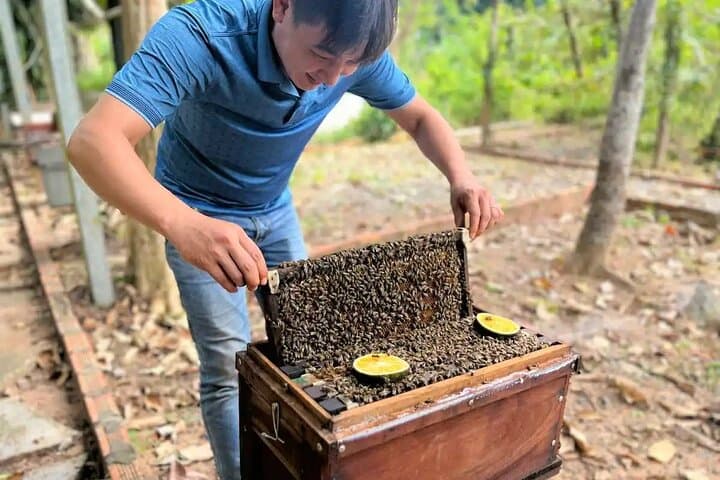
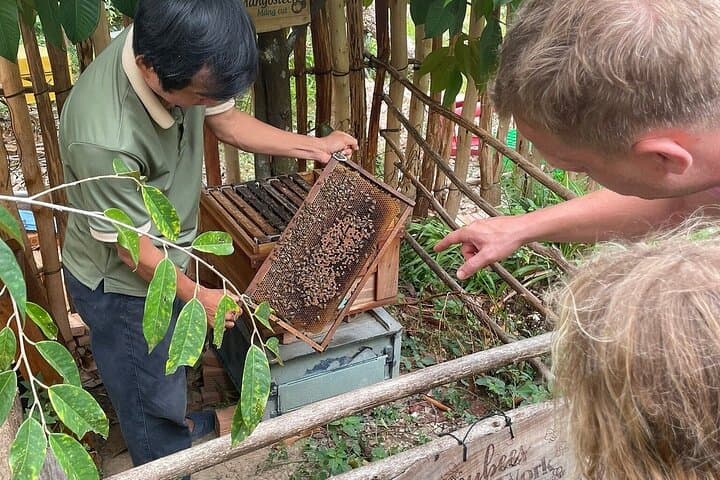
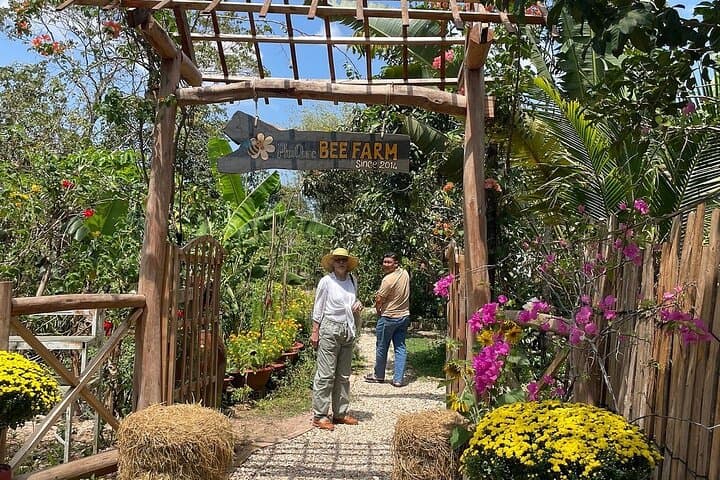
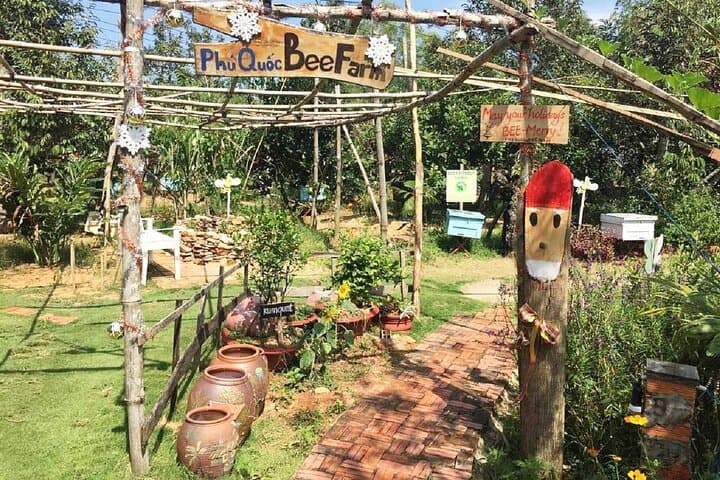
Morning light hits the combed palms and low limestone cliffs of northern Phu Quoc as an air‑conditioned car eases out of Duong Dong. The day unfolds in a careful rhythm—stretches of coastal road, a honey farm’s quiet hum, a river that threads through primeval forest, and a fishing village where nets and children move to the same pace.
Verified experiences and guided adventures in the surrounding area.
Operated by Authentic MAI CHAU · Phu Quoc, Kien Giang
Morning light hits the combed palms and low limestone cliffs of northern Phu Quoc as an air‑conditioned car eases out of Duong Dong. The day unfolds in a careful rhythm—stretches of coastal road, a honey farm’s quiet hum, a river that threads through primeval forest, and a fishing village where nets and children move to the same pace.
Geology here is simple and blunt: low granite headlands dropping to coral shelves and white sand, backed by a narrow band of primary forest that survives the island’s development. Historically the north was less trafficked than the southern tourist hubs; fishing and smallholder agriculture shaped local life and still anchor places like Rach Vem. Cultural notes: you’ll see stilt houses, floating fish farms and beekeeping that reflects traditional skills adapted for tourism.
Expect accessible walking (short beach and forest trails), straightforward boat or shore viewing at reefs, and close encounters with small‑scale fisheries. The guide explains local practices and points out how the Cua Can river nourishes mangroves and village livelihoods.
Practical edge: bring sun protection, quick‑dry swimwear for a beach stop, and sturdy sandals for rocky shoreline access. Carry cash for small seafood vendors, and plan to be mobile for about nine hours with restroom stops at scheduled points. If you want quieter moments, ask to linger at Ganh Dau for sunset views toward the Cambodian coast. This private format gives flexibility—use it to swap a beach stop for extra time in the forest if you prefer wildlife spotting over crowds.
easy.
9 hours.
Suitable for most fitness levels; minimal hiking and mostly short walks.
Yes—the private tour includes pickup and drop‑off at hotels in Phu Quoc; confirm your lobby or pickup point when booking.
Yes—private format allows swapping stops or extra time at preferred sites; discuss requests with your guide in advance.
Lunch and bottled water are included; inform the operator of vegetarian or dietary needs ahead of time.
Generally yes—activity is low intensity; however it’s not recommended for those with serious spinal, heart, or pregnancy concerns per provider guidance.
Northern Phu Quoc developed around fishing and smallholder agriculture; its remoteness historically preserved stretches of primary forest and traditional practices.
Mangrove and reef health are fragile—avoid single‑use plastics, heed guide rules for reef access, and support local operators that practice low‑impact tourism.
Authentic MAI CHAU operates guided outdoor trips and adventures with an emphasis on safety, stewardship, and memorable experiences.
Morning light hits the combed palms and low limestone cliffs of northern Phu Quoc as an air‑conditioned car eases out of Duong Dong. The day unfolds in a careful rhythm—stretches of coastal road, a honey farm’s quiet hum, a river that threads through primeval forest, and a fishing village where nets and children move to the same pace.
Morning light hits the combed palms and low limestone cliffs of northern Phu Quoc as an air‑conditioned car eases out of Duong Dong. The day unfolds in a careful rhythm—stretches of coastal road, a honey farm’s quiet hum, a river that threads through primeval forest, and a fishing village where nets and children move to the same pace.
Geology here is simple and blunt: low granite headlands dropping to coral shelves and white sand, backed by a narrow band of primary forest that survives the island’s development. Historically the north was less trafficked than the southern tourist hubs; fishing and smallholder agriculture shaped local life and still anchor places like Rach Vem. Cultural notes: you’ll see stilt houses, floating fish farms and beekeeping that reflects traditional skills adapted for tourism.
Expect accessible walking (short beach and forest trails), straightforward boat or shore viewing at reefs, and close encounters with small‑scale fisheries. The guide explains local practices and points out how the Cua Can river nourishes mangroves and village livelihoods.
Practical edge: bring sun protection, quick‑dry swimwear for a beach stop, and sturdy sandals for rocky shoreline access. Carry cash for small seafood vendors, and plan to be mobile for about nine hours with restroom stops at scheduled points. If you want quieter moments, ask to linger at Ganh Dau for sunset views toward the Cambodian coast. This private format gives flexibility—use it to swap a beach stop for extra time in the forest if you prefer wildlife spotting over crowds.