THE ADVENTURE COLLECTIVE® · Independent discovery and booking for outdoor travel

Join a heated minibus from Kiruna toward Abisko National Park for a guided hunt under the polar sky. Expect short roadside stops, warm drinks, and expert help photographing the aurora during a roughly 3.5-hour outing.
Join a heated minibus from Kiruna toward Abisko National Park for a guided hunt under the polar sky. Expect short roadside stops, warm drinks, and expert help photographing the aurora during a roughly 3.5-hour outing.
You step out of the warmed minibus into a glassy Arctic night and the sky moves—ribbons of green and violet unfurl, then fold back, as if the heavens are testing your attention.
Verified experiences and guided adventures in the surrounding area.
Operated by North Pow · Abisko, Norrbotten County
You step out of the warmed minibus into a glassy Arctic night and the sky moves—ribbons of green and violet unfurl, then fold back, as if the heavens are testing your attention.
The road to Abisko cuts through fell and birch; snow-dusted ridges and frozen lakes keep watch. Abisko National Park sits on the edge of the Scandinavian mountain range where auroral displays are often sharper because the sky here is wide and the lights pass directly over the polar oval.
This stretch of Lapland has Sami cultural roots and a history tied to mining and rail travel; the area’s granite and glacially carved valleys tell a geology of cold and time. Small villages learned long ago to read the weather and the light—skills modern guides still use when chasing aurora.
On this 3.5-hour minibus hunt you travel with a local guide who reads forecasts, moves away from light domes, and helps frame photos. The bus is heated and stops at prepared viewing spots; warm lingonberry juice and cake are served to keep fingers steady while you wait. The aurora season runs roughly from September to mid-April, but visibility is never guaranteed—this is weather and solar wind at play.
Expect short walks to viewpoints, roadside stops, and lots of sky watching. Bring insulated layers, a tripod for long exposures, a headlamp with a red filter, and patience; nights near midnight typically offer the best chances. Check aurora-index apps, dress for -10°C or colder, and plan a flexible schedule—the lights demand timing, not timetables.
easy.
3–4 hours.
Suitable for most fitness levels; requires short walks on uneven, possibly icy ground.
The minibus hunt lasts about 3.5 hours (210 minutes) including transfers and stops at multiple viewing locations.
No—aurora visibility depends on solar activity and clear skies; guides maximize chances but cannot guarantee sightings.
Yes; the tour is rated easy and the heated minibus and short on-foot sections make it accessible for most ages.
Bring a camera that allows manual exposure, a sturdy tripod, extra batteries (cold drains power), and a wide-angle lens if available.
Abisko lies along historic Sami lands and routes used for seasonal reindeer herding; later the area developed around rail and mining links to the Arctic.
The park manages visitor impact through designated roads and trails; guests are asked to pack out waste and avoid disturbing wildlife and vegetation.
North Pow operates guided outdoor trips and adventures with an emphasis on safety, stewardship, and memorable experiences.
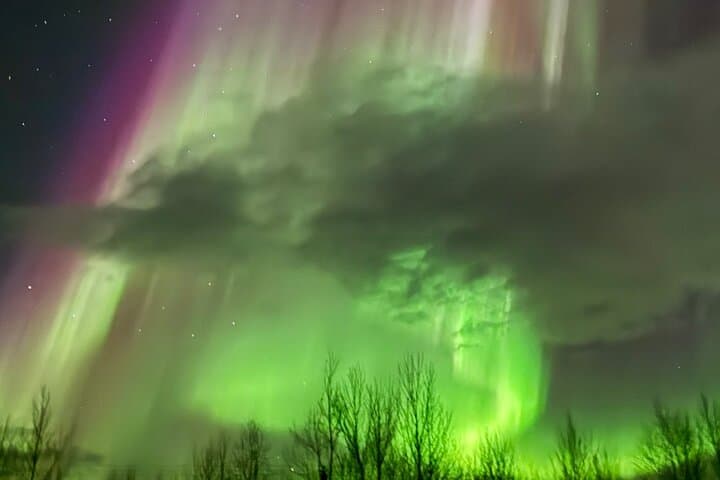
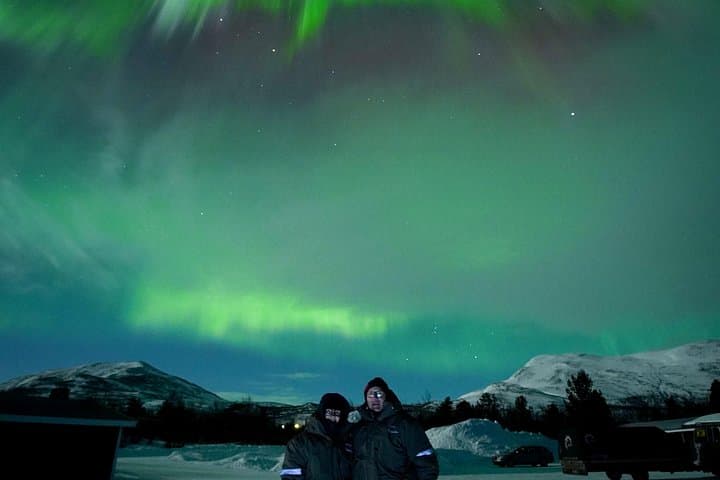
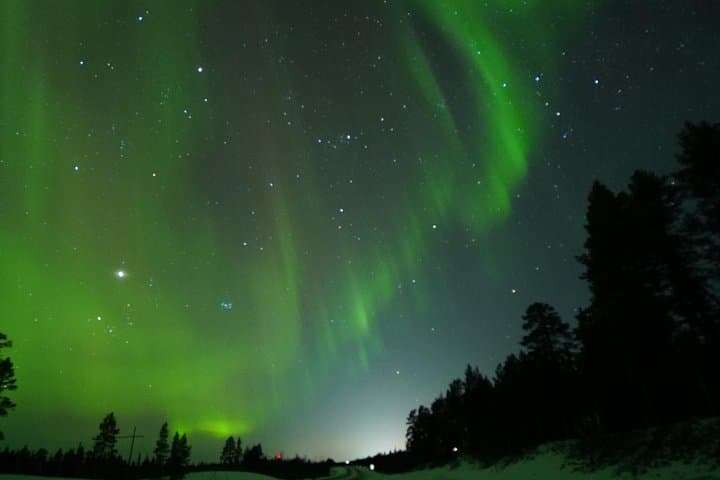
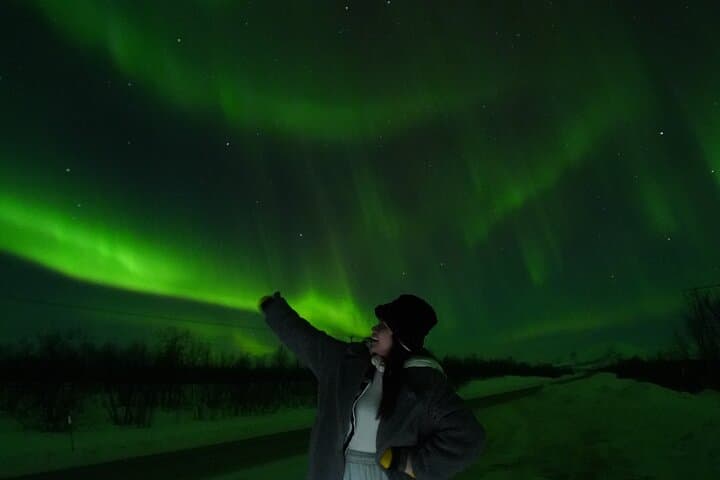
You step out of the warmed minibus into a glassy Arctic night and the sky moves—ribbons of green and violet unfurl, then fold back, as if the heavens are testing your attention.
You step out of the warmed minibus into a glassy Arctic night and the sky moves—ribbons of green and violet unfurl, then fold back, as if the heavens are testing your attention.
The road to Abisko cuts through fell and birch; snow-dusted ridges and frozen lakes keep watch. Abisko National Park sits on the edge of the Scandinavian mountain range where auroral displays are often sharper because the sky here is wide and the lights pass directly over the polar oval.
This stretch of Lapland has Sami cultural roots and a history tied to mining and rail travel; the area’s granite and glacially carved valleys tell a geology of cold and time. Small villages learned long ago to read the weather and the light—skills modern guides still use when chasing aurora.
On this 3.5-hour minibus hunt you travel with a local guide who reads forecasts, moves away from light domes, and helps frame photos. The bus is heated and stops at prepared viewing spots; warm lingonberry juice and cake are served to keep fingers steady while you wait. The aurora season runs roughly from September to mid-April, but visibility is never guaranteed—this is weather and solar wind at play.
Expect short walks to viewpoints, roadside stops, and lots of sky watching. Bring insulated layers, a tripod for long exposures, a headlamp with a red filter, and patience; nights near midnight typically offer the best chances. Check aurora-index apps, dress for -10°C or colder, and plan a flexible schedule—the lights demand timing, not timetables.