THE ADVENTURE COLLECTIVE® · Independent discovery and booking for outdoor travel

Leave Reykjavík’s glow behind and follow expert guides into dark-sky country to watch the aurora dance. This practical guide explains what to expect, how to photograph the lights, and how to prepare for Iceland’s unpredictable skies.
Leave Reykjavík’s glow behind and follow expert guides into dark-sky country to watch the aurora dance. This practical guide explains what to expect, how to photograph the lights, and how to prepare for Iceland’s unpredictable skies.
Your bus eases out of Reykjavík and the last sodium lights fall behind you. Outside, the air bites and the horizon opens: dark fields, black coastal ridges and a sky that feels close enough to touch. Guides scan the geomagnetic forecasts and point you toward breaks in the cloud; when the aurora unfurls, green curtains and violet edges roll and fold above you, reflected in snowy ground or the glassy surface of a lagoon.
Verified experiences and guided adventures in the surrounding area.
Operated by guide in Iceland · Reykjavík, Capital Region
Your bus eases out of Reykjavík and the last sodium lights fall behind you. Outside, the air bites and the horizon opens: dark fields, black coastal ridges and a sky that feels close enough to touch. Guides scan the geomagnetic forecasts and point you toward breaks in the cloud; when the aurora unfurls, green curtains and violet edges roll and fold above you, reflected in snowy ground or the glassy surface of a lagoon.
Iceland sits under frequent auroral activity because its high latitude intersects charged solar wind with Earth’s magnetic field. Icelandic folklore linked the lights to omens and ancestral voices; today local guides blend that cultural history with practical knowledge of weather windows, solar KP indices, and how volcanic topography shapes sightlines.
Expect small-group pacing, opportunistic stops in rural dark-sky pockets, and basic hot drinks to stave off the cold. Photography is a central focus: long exposures, steady tripods and manual focus unlock the best frames. Weather is the wildcard — clear skies are everything, so the tour’s strength is its flexibility to move away from city glow.
Practical tips: dress for sustained cold with insulated boots and windproof outer layers; bring a tripod and spare batteries (batteries drain fast in low temperatures); set cameras to manual and use a wide aperture and 5–30 second exposures; be prepared to wait and to relocate as conditions change. Tours typically last around three hours from Reykjavík and are suitable for most fitness levels. If you go expecting patience and adaptability rather than guarantees, a northern-lights chase delivers one of the most elemental night-sky experiences in Europe.
easy.
2–3 hours.
Minimal physical effort required; suitable for most fitness levels though standing in cold for extended periods is expected.
Prime season runs from late September through early April when nights are longest and skies are darkest; auroral activity peaks with strong solar events regardless of month.
Chances depend on solar activity and local cloud cover; reputable operators maximize odds by relocating to clear skies, but sightings are not guaranteed.
Yes — many tours accommodate families; operators often provide infant seats and allow strollers, but be prepared for cold conditions and late hours.
A camera with manual exposure, a fast wide-angle lens, and a tripod will produce the best results; smartphones can succeed with night modes but are more limited.
Icelandic sagas and sailors historically interpreted auroral displays as portents; modern guides often share folktales alongside geomagnetic explanations.
Stick to designated pullouts to avoid trampling fragile moss and soils; operators emphasize leave-no-trace practices and minimize idling to reduce emissions.
guide in Iceland operates guided outdoor trips and adventures with an emphasis on safety, stewardship, and memorable experiences.
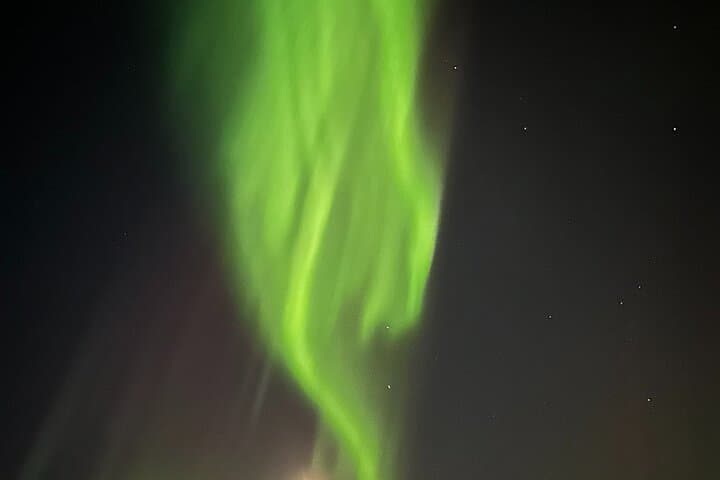
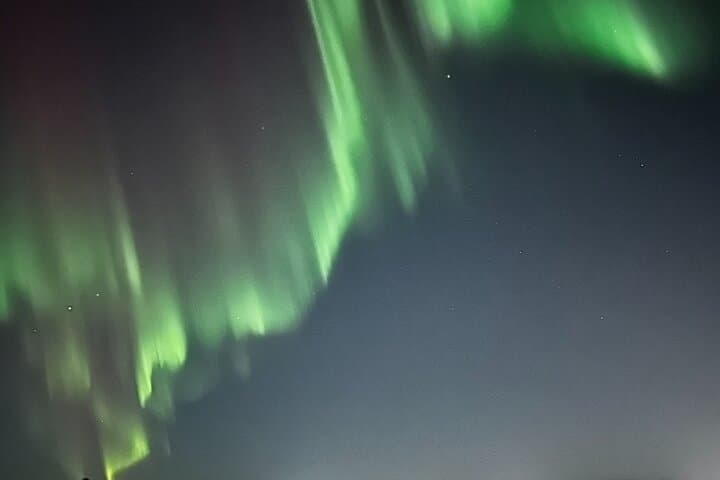
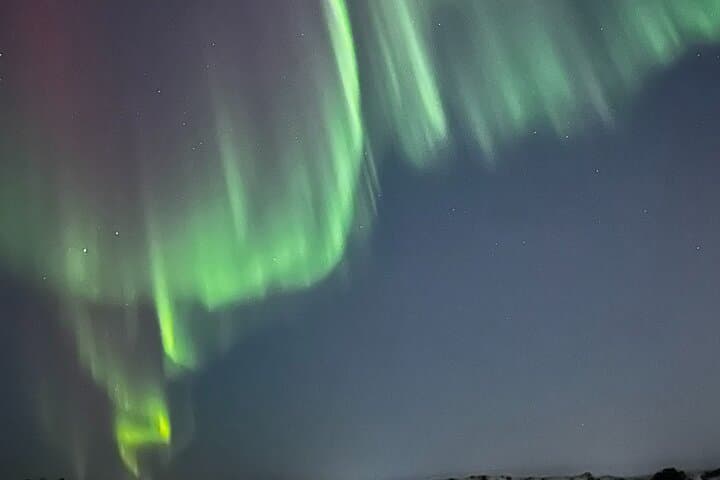
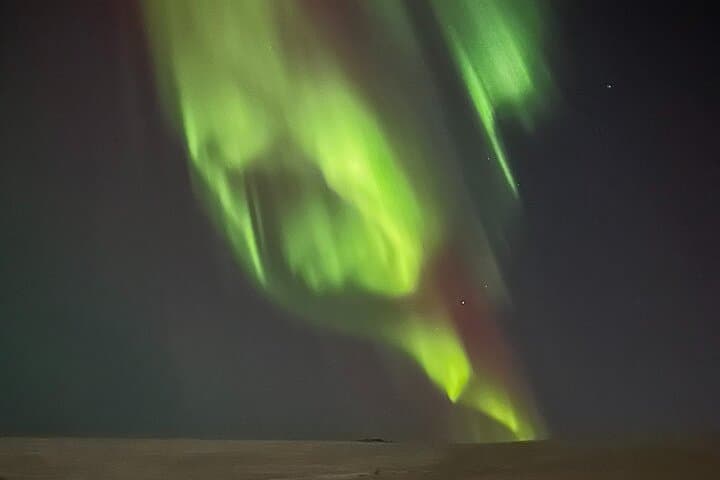
Your bus eases out of Reykjavík and the last sodium lights fall behind you. Outside, the air bites and the horizon opens: dark fields, black coastal ridges and a sky that feels close enough to touch. Guides scan the geomagnetic forecasts and point you toward breaks in the cloud; when the aurora unfurls, green curtains and violet edges roll and fold above you, reflected in snowy ground or the glassy surface of a lagoon.
Your bus eases out of Reykjavík and the last sodium lights fall behind you. Outside, the air bites and the horizon opens: dark fields, black coastal ridges and a sky that feels close enough to touch. Guides scan the geomagnetic forecasts and point you toward breaks in the cloud; when the aurora unfurls, green curtains and violet edges roll and fold above you, reflected in snowy ground or the glassy surface of a lagoon.
Iceland sits under frequent auroral activity because its high latitude intersects charged solar wind with Earth’s magnetic field. Icelandic folklore linked the lights to omens and ancestral voices; today local guides blend that cultural history with practical knowledge of weather windows, solar KP indices, and how volcanic topography shapes sightlines.
Expect small-group pacing, opportunistic stops in rural dark-sky pockets, and basic hot drinks to stave off the cold. Photography is a central focus: long exposures, steady tripods and manual focus unlock the best frames. Weather is the wildcard — clear skies are everything, so the tour’s strength is its flexibility to move away from city glow.
Practical tips: dress for sustained cold with insulated boots and windproof outer layers; bring a tripod and spare batteries (batteries drain fast in low temperatures); set cameras to manual and use a wide aperture and 5–30 second exposures; be prepared to wait and to relocate as conditions change. Tours typically last around three hours from Reykjavík and are suitable for most fitness levels. If you go expecting patience and adaptability rather than guarantees, a northern-lights chase delivers one of the most elemental night-sky experiences in Europe.