THE ADVENTURE COLLECTIVE® · Independent discovery and booking for outdoor travel

Sail from Reykjavík’s Old Harbour into Faxaflói Bay on a guided search for the aurora borealis, with an organized indoor alternative if conditions aren’t right. Expect science-backed narration, warm overalls aboard, and a local cultural primer at Whales of Iceland when the sky stays quiet.
Sail from Reykjavík’s Old Harbour into Faxaflói Bay on a guided search for the aurora borealis, with an organized indoor alternative if conditions aren’t right. Expect science-backed narration, warm overalls aboard, and a local cultural primer at Whales of Iceland when the sky stays quiet.
The boat slips away from Reykjavík’s Old Harbour under a cold, low sky. Streetlights recede as the city’s hum fades and Faxaflói Bay opens around the hull. Out here, the aurora can appear as a slow ribbon or an abrupt curtain, unfurling and folding like a living map of solar weather — the sea seems to urge you forward, the wind testing your resolve.
Verified experiences and guided adventures in the surrounding area.
Operated by Special Tours Iceland · Reykjavík, Capital Region
The boat slips away from Reykjavík’s Old Harbour under a cold, low sky. Streetlights recede as the city’s hum fades and Faxaflói Bay opens around the hull. Out here, the aurora can appear as a slow ribbon or an abrupt curtain, unfurling and folding like a living map of solar weather — the sea seems to urge you forward, the wind testing your resolve.
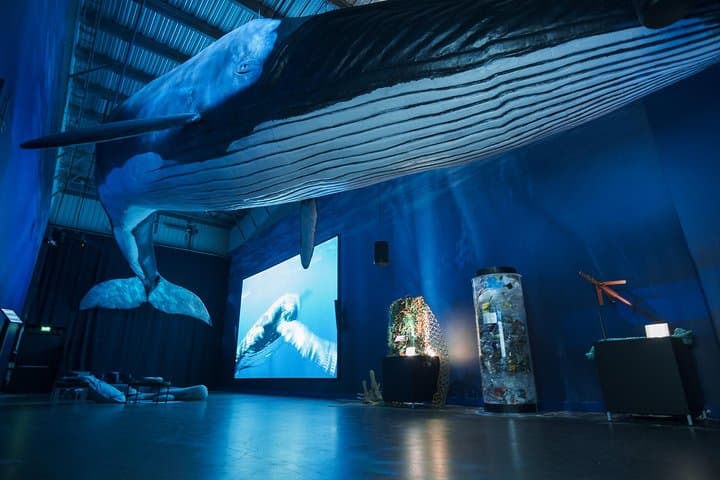
Iceland’s coastline reflects a geology of recent fire and ice: volcanic plains rise inland while glacial melt carved the bays where boats now search for light. The Old Harbour itself has evolved from a working fishing port to a gateway for marine tours and maritime exhibitions like Whales of Iceland, where an included backup program explains cetacean history and offers a northern lights primer.
Culturally, Reykjavík’s nights mix scientific curiosity with folklore; guides commonly weave modern aurora physics with old sagas and local names for bright displays. Expect clear, practical interpretation as part of the experience: how geomagnetic activity, cloud cover and light pollution determine your odds.
Practical guidance: dress in windproof, insulated layers and bring a warm hat and gloves — the sea amplifies cold. Cameras need manual settings and a steady surface or small tripod for long exposures. Tours run about 2–3 hours; if conditions prevent sailing or the lights don’t appear, the itinerary guarantees an alternate indoor program at Whales of Iceland or a rebooking option for another night. Boarding is straightforward and accessible; motion on deck can be brisk, so plan footwear with grip. Timing your visit between late autumn and early spring improves aurora odds, but the company’s backup plan makes every booking a complete evening of learning and local culture, even when the sky stays quiet.
easy.
2–3 hours.
Suitable for most fitness levels; mainly standing and short walks on and off the vessel
No — sightings depend on solar activity and cloud cover; if conditions are unsuitable you’ll be offered an alternate program or a complimentary rebooking ticket.
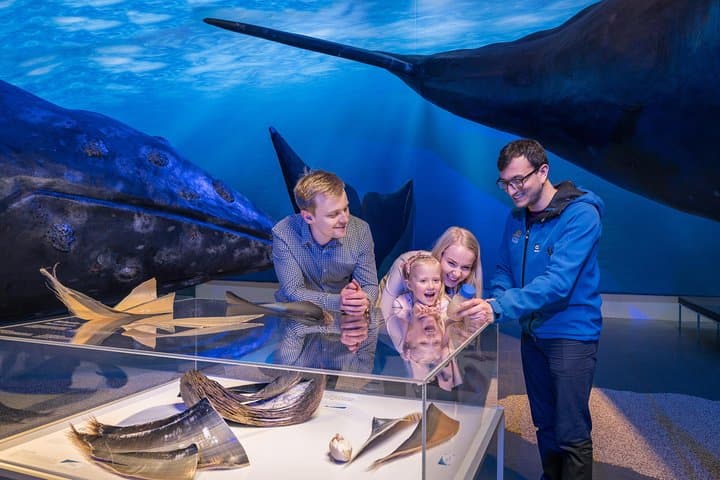
Guests are taken to Whales of Iceland for a guided tour, a northern lights video, a photography workshop, and a welcome drink as the guaranteed alternative.
Yes — the tour notes indicate wheelchair accessibility, though staff recommend advising special requirements at booking for any assistance needed.
Dress in warm, layered clothing with a windproof outer layer; the operator also provides overalls and there are indoor spaces available aboard.
Reykjavík’s Old Harbour has shifted from traditional fishing operations to a modern marine tourism hub, reflecting Iceland’s long maritime heritage and recent focus on experiential nature tourism.
Tours encourage low-impact behavior: keep noise low during wildlife sightings, avoid flash photography at close range, and the operator supports local efforts to interpret marine ecosystems responsibly.
Special Tours Iceland operates guided outdoor trips and adventures with an emphasis on safety, stewardship, and memorable experiences.
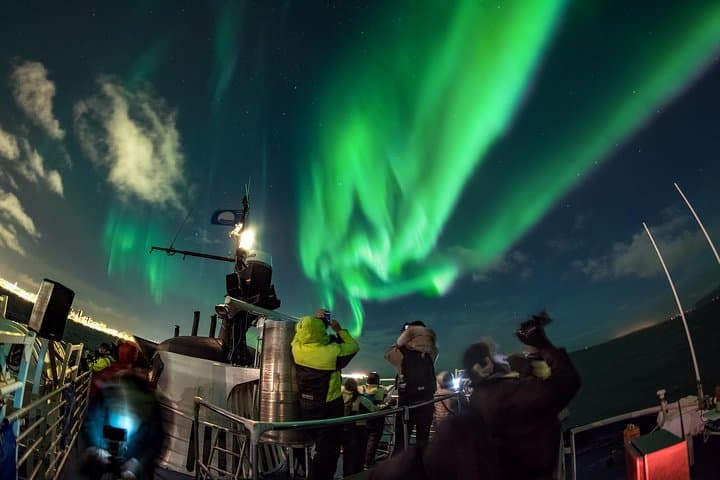
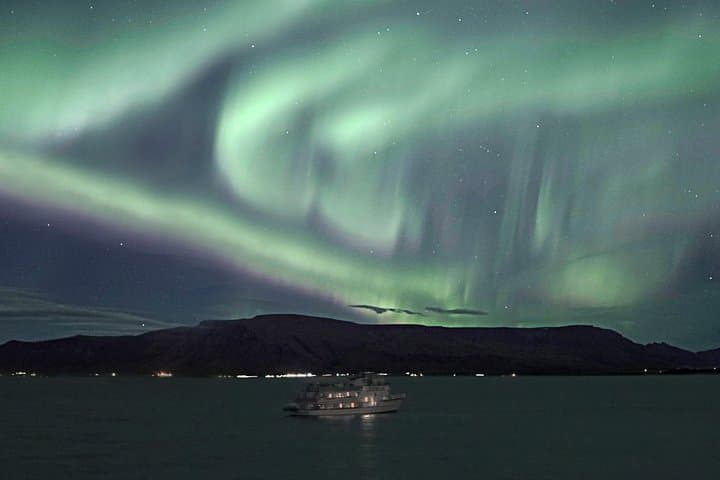
The boat slips away from Reykjavík’s Old Harbour under a cold, low sky. Streetlights recede as the city’s hum fades and Faxaflói Bay opens around the hull. Out here, the aurora can appear as a slow ribbon or an abrupt curtain, unfurling and folding like a living map of solar weather — the sea seems to urge you forward, the wind testing your resolve.
The boat slips away from Reykjavík’s Old Harbour under a cold, low sky. Streetlights recede as the city’s hum fades and Faxaflói Bay opens around the hull. Out here, the aurora can appear as a slow ribbon or an abrupt curtain, unfurling and folding like a living map of solar weather — the sea seems to urge you forward, the wind testing your resolve.
Iceland’s coastline reflects a geology of recent fire and ice: volcanic plains rise inland while glacial melt carved the bays where boats now search for light. The Old Harbour itself has evolved from a working fishing port to a gateway for marine tours and maritime exhibitions like Whales of Iceland, where an included backup program explains cetacean history and offers a northern lights primer.
Culturally, Reykjavík’s nights mix scientific curiosity with folklore; guides commonly weave modern aurora physics with old sagas and local names for bright displays. Expect clear, practical interpretation as part of the experience: how geomagnetic activity, cloud cover and light pollution determine your odds.
Practical guidance: dress in windproof, insulated layers and bring a warm hat and gloves — the sea amplifies cold. Cameras need manual settings and a steady surface or small tripod for long exposures. Tours run about 2–3 hours; if conditions prevent sailing or the lights don’t appear, the itinerary guarantees an alternate indoor program at Whales of Iceland or a rebooking option for another night. Boarding is straightforward and accessible; motion on deck can be brisk, so plan footwear with grip. Timing your visit between late autumn and early spring improves aurora odds, but the company’s backup plan makes every booking a complete evening of learning and local culture, even when the sky stays quiet.