THE ADVENTURE COLLECTIVE® · Independent discovery and booking for outdoor travel

Board a heated bus from Tromsø to one of two private basecamps—an Arctic Coast Camp near Sommarøy or a Sámi-inspired lavvu east of town—where warm meals, hot drinks, and expert guides set the stage for aurora viewing. Ideal for families and culture seekers, this 4-hour winter experience balances comfort with clear photo opportunities.
Board a heated bus from Tromsø to one of two private basecamps—an Arctic Coast Camp near Sommarøy or a Sámi-inspired lavvu east of town—where warm meals, hot drinks, and expert guides set the stage for aurora viewing. Ideal for families and culture seekers, this 4-hour winter experience balances comfort with clear photo opportunities.
A heated bus pulls out from Tromsø as the sky thins into Arctic blue. Headlights cut across fjord glass; the coast winds push a briny scent through the windows. You arrive at a low, wooden camp where the host keeps a fire lit — indoors the smell of paprika soup and hot coffee warms cold fingers while outside the aurora rehearses its slow choreography.
Verified experiences and guided adventures in the surrounding area.
Operated by Arctic Guide Service · Tromsø, Troms og Finnmark
A heated bus pulls out from Tromsø as the sky thins into Arctic blue. Headlights cut across fjord glass; the coast winds push a briny scent through the windows. You arrive at a low, wooden camp where the host keeps a fire lit — indoors the smell of paprika soup and hot coffee warms cold fingers while outside the aurora rehearses its slow choreography.
The lights themselves are a product of solar wind meeting Earth’s magnetic field, but local stories tie the glow to Sámi myth and night-time rites. Geologically, this coastline and the surrounding islands were sculpted by glaciers and sea, leaving low ridges, sheltered bays and sweeping northern horizons that make aurora spotting easier than in heavily forested regions. The two basecamps—an Arctic Coast Camp near Sommarøy built from reclaimed materials, and an east-of-Tromsø lavvu with a glass roof—offer contrasting vantage points and cultural touchstones: maritime life and Sámi-inspired architecture.
Practically, expect a roughly four-hour evening (November–March), comfortable indoor facilities and a small-group atmosphere (max 45). Guides provide scientific background and photographic pointers while meals and hot drinks keep you comfortable between sky shows. Dress in winter layers, bring a camera with manual settings and a compact tripod, and allow time for weather changes—operations shift camps based on forecasts. This is an accessible, family-friendly way to pair local cuisine and culture with one of nature’s most dramatic displays, without the cold and uncertainty of long solo vigils under the Arctic sky.
easy.
4 hours.
Suitable for all fitness levels; involves short walks at flat camps and standing outside for viewing
The experience operates seasonally from November through March, timed for the dark auroral season.
Yes—warm meals such as paprika soup plus coffee, tea and hot cocoa are included with vegetarian options available.
Yes; the basecamps have indoor facilities and the operator provides specialized infant seats, making it family-friendly.
The operator may cancel for bad weather or insufficient travelers; they will attempt to choose the best basecamp based on aurora and weather forecasts and offer refunds according to their 24-hour policy.
Tromsø grew as a trading and Arctic expedition hub; Sámi culture and coastal fishing communities have long shaped local traditions and food.
Operators emphasize minimal light pollution and responsible camp practices; visitors are asked to follow leave-no-trace principles and respect local wildlife and grazing lands.
Arctic Guide Service operates guided outdoor trips and adventures with an emphasis on safety, stewardship, and memorable experiences.
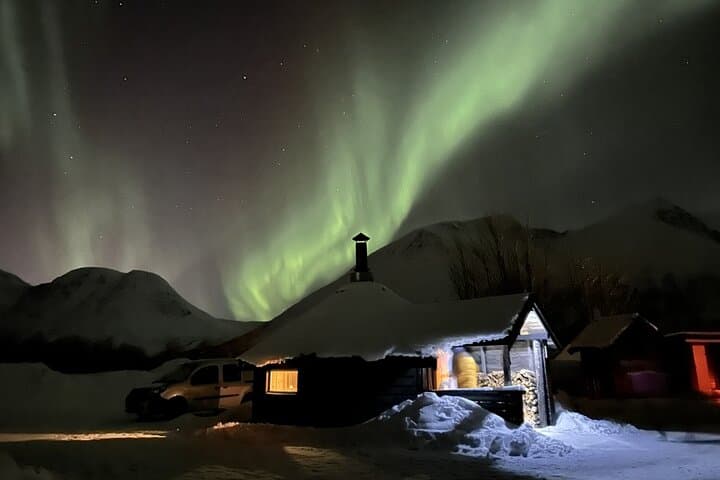
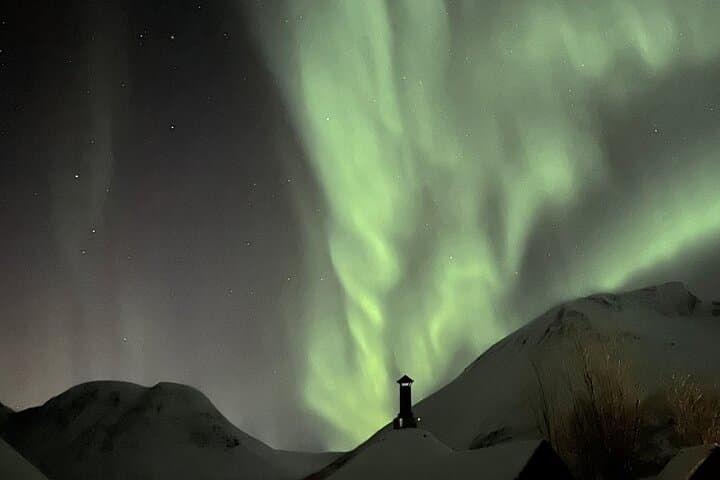
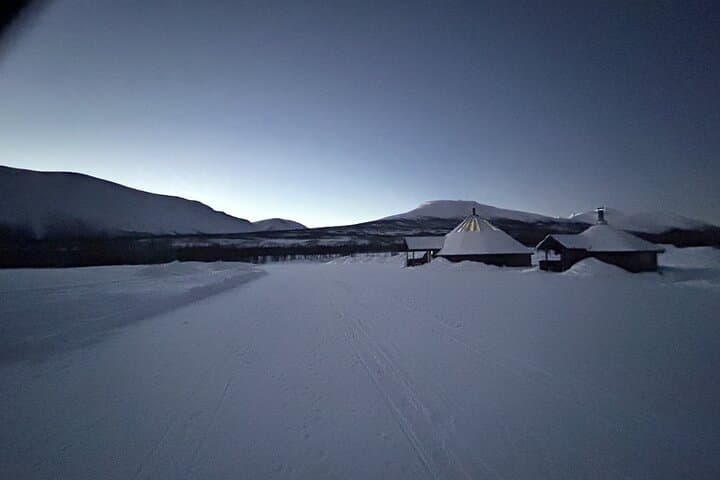
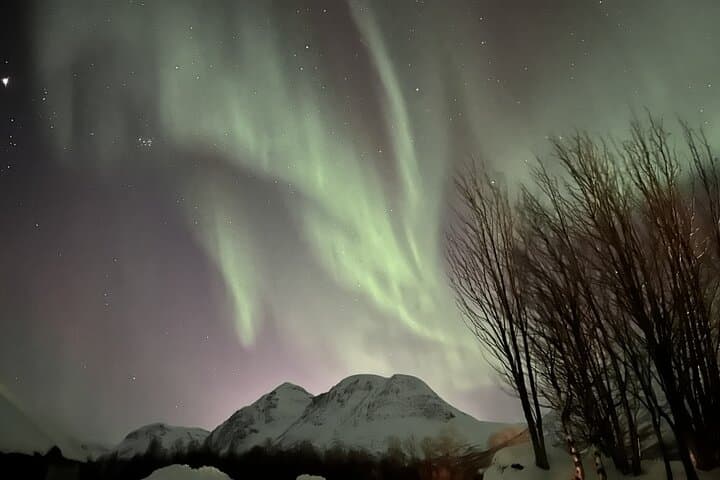
A heated bus pulls out from Tromsø as the sky thins into Arctic blue. Headlights cut across fjord glass; the coast winds push a briny scent through the windows. You arrive at a low, wooden camp where the host keeps a fire lit — indoors the smell of paprika soup and hot coffee warms cold fingers while outside the aurora rehearses its slow choreography.
A heated bus pulls out from Tromsø as the sky thins into Arctic blue. Headlights cut across fjord glass; the coast winds push a briny scent through the windows. You arrive at a low, wooden camp where the host keeps a fire lit — indoors the smell of paprika soup and hot coffee warms cold fingers while outside the aurora rehearses its slow choreography.
The lights themselves are a product of solar wind meeting Earth’s magnetic field, but local stories tie the glow to Sámi myth and night-time rites. Geologically, this coastline and the surrounding islands were sculpted by glaciers and sea, leaving low ridges, sheltered bays and sweeping northern horizons that make aurora spotting easier than in heavily forested regions. The two basecamps—an Arctic Coast Camp near Sommarøy built from reclaimed materials, and an east-of-Tromsø lavvu with a glass roof—offer contrasting vantage points and cultural touchstones: maritime life and Sámi-inspired architecture.
Practically, expect a roughly four-hour evening (November–March), comfortable indoor facilities and a small-group atmosphere (max 45). Guides provide scientific background and photographic pointers while meals and hot drinks keep you comfortable between sky shows. Dress in winter layers, bring a camera with manual settings and a compact tripod, and allow time for weather changes—operations shift camps based on forecasts. This is an accessible, family-friendly way to pair local cuisine and culture with one of nature’s most dramatic displays, without the cold and uncertainty of long solo vigils under the Arctic sky.