THE ADVENTURE COLLECTIVE® · Independent discovery and booking for outdoor travel

Head up a dark coastal ridge outside Kemi to a tepee camp for guided Aurora spotting, myths, a barbecue and hot drinks. Remote skies and a sheltering fire boost your odds of seeing the Northern Lights between August and April.
Head up a dark coastal ridge outside Kemi to a tepee camp for guided Aurora spotting, myths, a barbecue and hot drinks. Remote skies and a sheltering fire boost your odds of seeing the Northern Lights between August and April.
The cold air bites with a clean brightness as you climb the last ridge above the harbour town of Kemi. Pines crackle; the sea of stars unfurls and the guide leads you into a small tepee where a wood fire breathes warmth and orange light. Outside, the northern sky waits—sometimes patient, sometimes restless—stretching low toward the Polar Star.
Verified experiences and guided adventures in the surrounding area.
Operated by Lapland Welcome Oy · Kemi, Lapland
The cold air bites with a clean brightness as you climb the last ridge above the harbour town of Kemi. Pines crackle; the sea of stars unfurls and the guide leads you into a small tepee where a wood fire breathes warmth and orange light. Outside, the northern sky waits—sometimes patient, sometimes restless—stretching low toward the Polar Star.
This coastline of the Bothnian Bay has long been a crossroads of maritime trade and Lapland culture. The geology here is coastal bedrock scarred by the Ice Age, with flat ridges and peatlands that shape local weather; those microclimates help create clearer skies above the lookout point. Sámi folklore and early Finnish seafaring stories are woven into the guide’s evening talk, and the tour leans into local ritual with optional traditional storytelling and reflections on old shamanic practices.
Practically, the trip centers on patient sky-watching: expect a moderate walk up a hill, a sheltered tepee with a communal fire, hot drinks and a barbecue. Guides provide winter gear if needed and photographic tips for capturing faint curtains of light. Northern Lights are never guaranteed, but the site’s remoteness and its dark horizon raise your odds significantly.
Plan to arrive warm, bring camera kit and a tripod, and treat the landscape with care—this shoreline is ecologically sensitive. Time your visit between late August and mid-April for the best balance of night length and accessibility. When the aurora moves, it feels like the sky is pulling you forward—quiet, bright, and unmistakably alive.
easy.
5 hours.
Suitable for most fitness levels; requires a short uphill walk and standing outside in cold conditions
Visibility isn’t guaranteed, but the tour operates where skies are often clearer than in town; clear conditions yield sightings in roughly nine out of ten suitable nights according to local experience.
Yes, the operator provides winter adventure gear on request—inform them of sizes, weight and height when booking.
Families are welcome; infant seats and accommodations are available but check with the operator about comfort and cold-weather precautions for very young children.
All sales are final for this offering; no refunds are available, so confirm travel plans before booking.
Kemi’s coast has been shaped by maritime trade and Lapland’s Sámi heritage; local folklore connects the aurora to traditional cosmologies and storytelling.
Minimize light and noise when watching the sky, stick to established paths and avoid disturbing vegetation; local operators follow low-impact practices to protect shoreline habitats.
Lapland Welcome Oy operates guided outdoor trips and adventures with an emphasis on safety, stewardship, and memorable experiences.
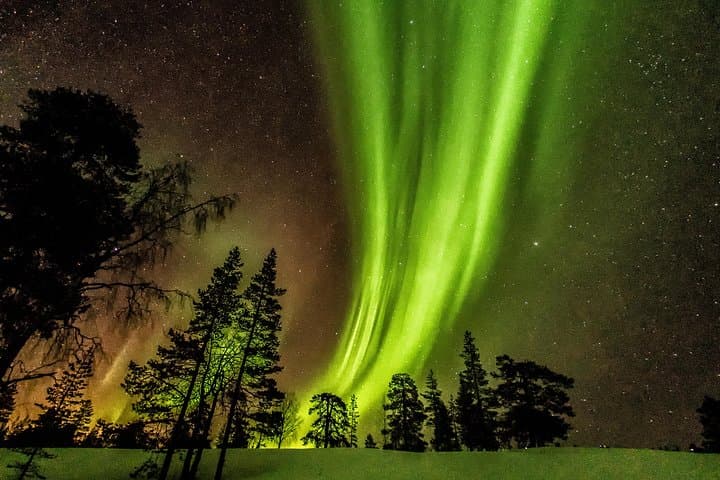
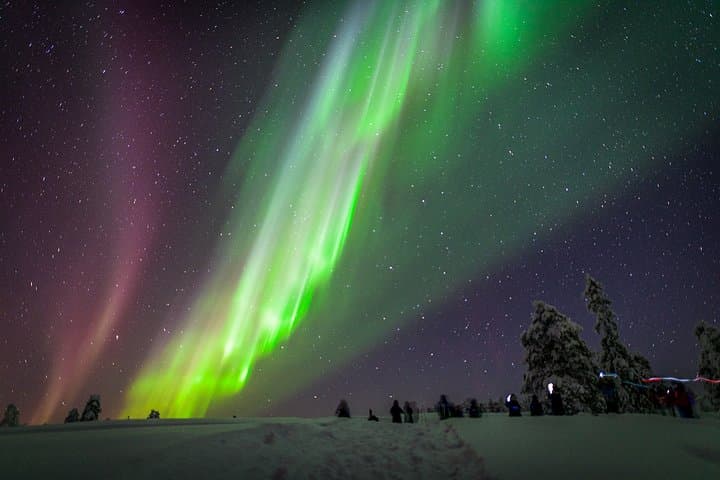
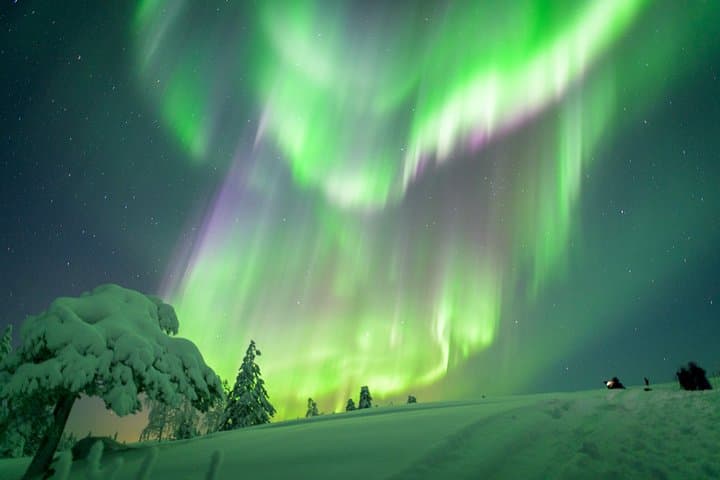
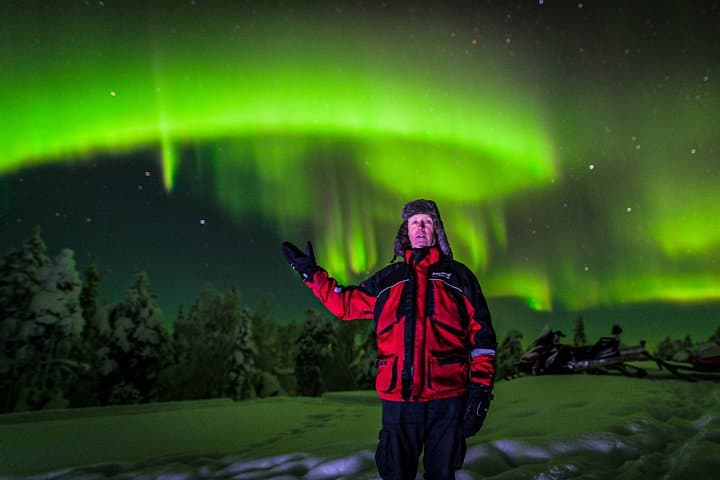
The cold air bites with a clean brightness as you climb the last ridge above the harbour town of Kemi. Pines crackle; the sea of stars unfurls and the guide leads you into a small tepee where a wood fire breathes warmth and orange light. Outside, the northern sky waits—sometimes patient, sometimes restless—stretching low toward the Polar Star.
The cold air bites with a clean brightness as you climb the last ridge above the harbour town of Kemi. Pines crackle; the sea of stars unfurls and the guide leads you into a small tepee where a wood fire breathes warmth and orange light. Outside, the northern sky waits—sometimes patient, sometimes restless—stretching low toward the Polar Star.
This coastline of the Bothnian Bay has long been a crossroads of maritime trade and Lapland culture. The geology here is coastal bedrock scarred by the Ice Age, with flat ridges and peatlands that shape local weather; those microclimates help create clearer skies above the lookout point. Sámi folklore and early Finnish seafaring stories are woven into the guide’s evening talk, and the tour leans into local ritual with optional traditional storytelling and reflections on old shamanic practices.
Practically, the trip centers on patient sky-watching: expect a moderate walk up a hill, a sheltered tepee with a communal fire, hot drinks and a barbecue. Guides provide winter gear if needed and photographic tips for capturing faint curtains of light. Northern Lights are never guaranteed, but the site’s remoteness and its dark horizon raise your odds significantly.
Plan to arrive warm, bring camera kit and a tripod, and treat the landscape with care—this shoreline is ecologically sensitive. Time your visit between late August and mid-April for the best balance of night length and accessibility. When the aurora moves, it feels like the sky is pulling you forward—quiet, bright, and unmistakably alive.