THE ADVENTURE COLLECTIVE® · Independent discovery and booking for outdoor travel

Spend the night on the Takhini River where a lodge, a kennel of 100+ huskies, and skies free from city glow combine for direct aurora viewing. Expect guided dog interactions, overnight lodging, and mirror-like river reflections when the water is unfrozen.
Spend the night on the Takhini River where a lodge, a kennel of 100+ huskies, and skies free from city glow combine for direct aurora viewing. Expect guided dog interactions, overnight lodging, and mirror-like river reflections when the water is unfrozen.
You step out onto the lodge deck and the night takes a breath — the aurora unfurls overhead while a circle of eager huskies shifts and hums like a living engine behind you. The Takhini River runs a dark ribbon below; when it’s unfrozen the water dares the sky to show itself twice, first above and then again in the river’s mirror.
Verified experiences and guided adventures in the surrounding area.
You step out onto the lodge deck and the night takes a breath — the aurora unfurls overhead while a circle of eager huskies shifts and hums like a living engine behind you. The Takhini River runs a dark ribbon below; when it’s unfrozen the water dares the sky to show itself twice, first above and then again in the river’s mirror.
This experience sits on the northern edge of Whitehorse, in a landscape shaped by glaciers and river incision where Yukon First Nations — principally the Kwanlin Dün and Ta'an Kwäch'än — have long read the land and sky. The area’s glacial deposits and bedrock valleys focus cold air and provide the clear, dark skies that make aurora viewing reliable in fall through spring. Dog-mushing is both a local livelihood and cultural pageant here: the lodge’s kennel of more than 100 dogs is social, trained, and very much part of daily life.
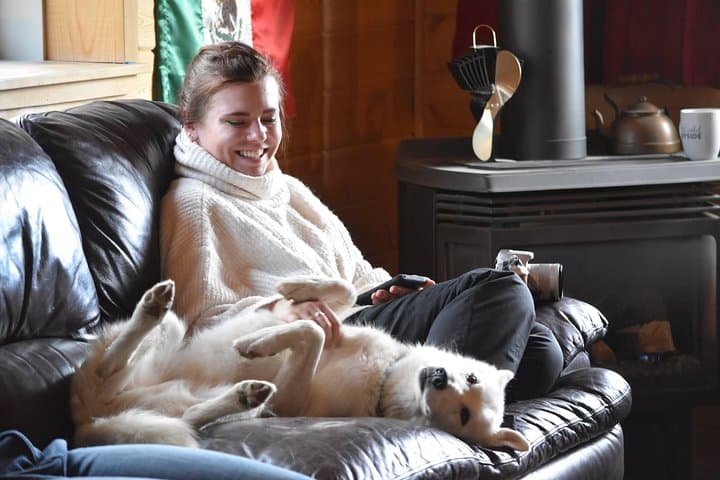
Expect an evening-to-overnight lodge stay with guided husky introductions, short walks, and dedicated aurora watches from the property. Photographers will want a tripod and wide lens; non-photographers should bring warm layers and patient eyes — displays can begin as faint ripples or explode into curtains.
Practical notes: travel from Whitehorse is short and there's no long night drive required, but temperatures drop quickly after sunset. Respect kennel routines, follow staff instructions around the dogs, and use layered insulation, glove systems, and hand warmers. If the Takhini River remains unfrozen (typically until late October), bring a low-angle perspective to capture the aurora reflected on the water.
easy.
3 days.
Low-impact: participants should be comfortable with short walks and standing outside in cold conditions for extended periods.
Aurora season runs roughly late August through April; clear, cold nights and low geomagnetic activity forecasts increase chances — statistically peak viewing is in fall and winter.
No — the lodge is positioned outside Whitehorse’s main light dome so guests can watch from the property without additional night driving.
Yes — the operation emphasizes dog interaction as part of the experience; staff will guide safe meet-and-greets and explain kennel rules and care routines.
Cold temperatures affect batteries and gear; bring spares, keep batteries warm, use a tripod, and learn basic long-exposure settings for aurora shots.
The Whitehorse region lies on traditional lands of the Kwanlin Dün and Ta'an Kwäch'än peoples; dog teams and river travel were historically important for transportation and trade.
Dark-sky quality is a local asset — minimize artificial light at the lodge, follow staff guidance to avoid disturbing wildlife, and pack out all waste to protect riparian habitat.
You step out onto the lodge deck and the night takes a breath — the aurora unfurls overhead while a circle of eager huskies shifts and hums like a living engine behind you. The Takhini River runs a dark ribbon below; when it’s unfrozen the water dares the sky to show itself twice, first above and then again in the river’s mirror.
You step out onto the lodge deck and the night takes a breath — the aurora unfurls overhead while a circle of eager huskies shifts and hums like a living engine behind you. The Takhini River runs a dark ribbon below; when it’s unfrozen the water dares the sky to show itself twice, first above and then again in the river’s mirror.
This experience sits on the northern edge of Whitehorse, in a landscape shaped by glaciers and river incision where Yukon First Nations — principally the Kwanlin Dün and Ta'an Kwäch'än — have long read the land and sky. The area’s glacial deposits and bedrock valleys focus cold air and provide the clear, dark skies that make aurora viewing reliable in fall through spring. Dog-mushing is both a local livelihood and cultural pageant here: the lodge’s kennel of more than 100 dogs is social, trained, and very much part of daily life.
Expect an evening-to-overnight lodge stay with guided husky introductions, short walks, and dedicated aurora watches from the property. Photographers will want a tripod and wide lens; non-photographers should bring warm layers and patient eyes — displays can begin as faint ripples or explode into curtains.
Practical notes: travel from Whitehorse is short and there's no long night drive required, but temperatures drop quickly after sunset. Respect kennel routines, follow staff instructions around the dogs, and use layered insulation, glove systems, and hand warmers. If the Takhini River remains unfrozen (typically until late October), bring a low-angle perspective to capture the aurora reflected on the water.