THE ADVENTURE COLLECTIVE® · Independent discovery and booking for outdoor travel

Spend a full day exploring three of northern Kyoto’s liveliest landscapes: the pine‑lined sandbar of Amanohashidate, the waterfront boathouses of Ine, and the thatched farmhouses of Miyama. This guided circuit blends scenic viewpoints, a calm bay cruise, and village walks.
Spend a full day exploring three of northern Kyoto’s liveliest landscapes: the pine‑lined sandbar of Amanohashidate, the waterfront boathouses of Ine, and the thatched farmhouses of Miyama. This guided circuit blends scenic viewpoints, a calm bay cruise, and village walks.
You step off the coach with salt in the air and a narrow ribbon of pine-topped sandbar stretching across Miyazu Bay—Amanohashidate daring you to cross it. The cable car lifts the route into a wide, wind-scoured view where the sandbar reads like a natural bridge; below, fishermen and boathouses mark the rhythm of coastal life.
Verified experiences and guided adventures in the surrounding area.
Operated by TREVOPEDIA · Miyazu, Kyoto Prefecture
You step off the coach with salt in the air and a narrow ribbon of pine-topped sandbar stretching across Miyazu Bay—Amanohashidate daring you to cross it. The cable car lifts the route into a wide, wind-scoured view where the sandbar reads like a natural bridge; below, fishermen and boathouses mark the rhythm of coastal life.
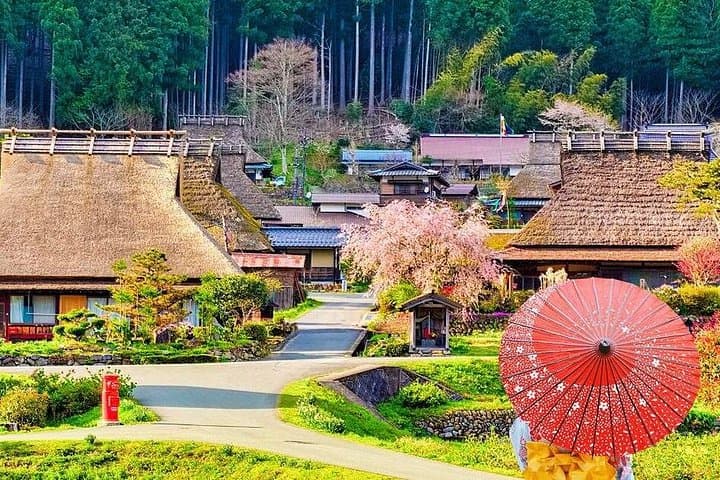
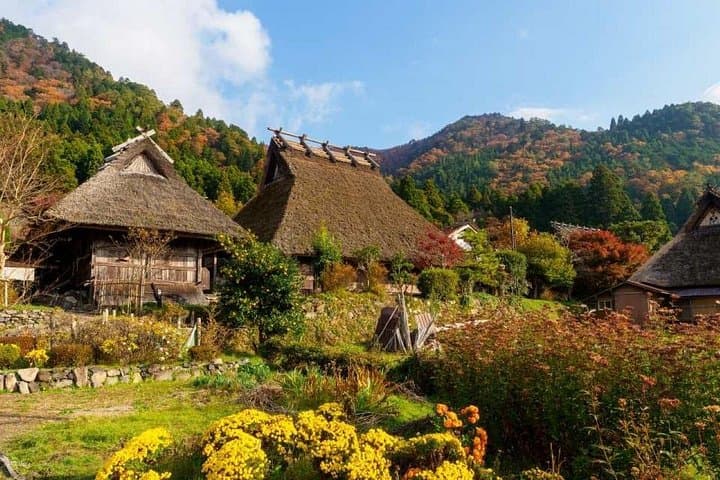
This day tour threads three distinct cultural landscapes. Amanohashidate has been counted among Japan’s “three views” since the Edo period; the sandbar is a product of longshore currents depositing sand and pine over millennia. Ine’s funaya—wooden boathouses built at the waterline—reflect a working coastal architecture adapted to tides and fishing life. Miyama’s kayabuki (thatched) roofs preserve farmhouse construction that dates back centuries and survived by communal maintenance and seasonal thatching.
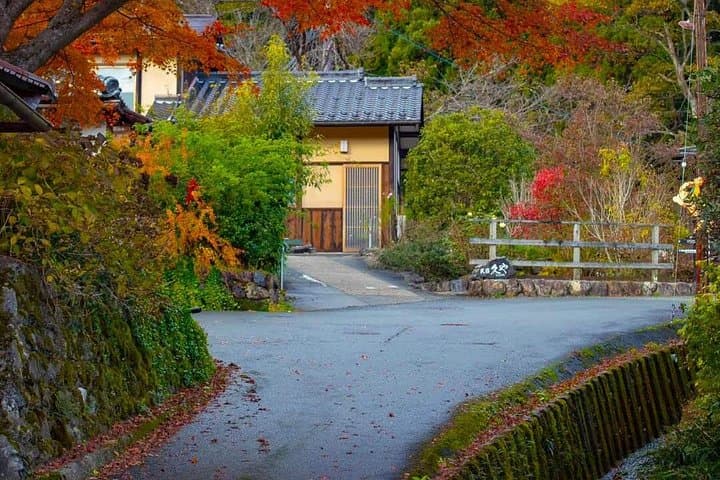
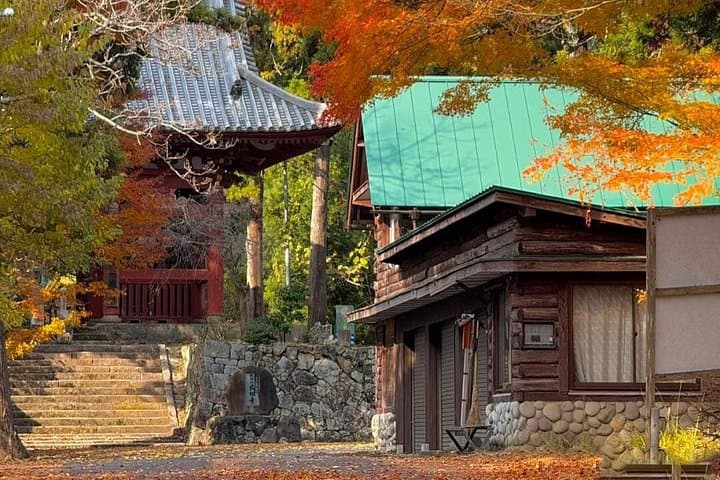
Expect a mix of short walks, a sheltered bay cruise, and village lanes where residents still hang laundry and tend small plots. The geology shifts from sedimentary sandbars to rocky coves and then to mountain-fed streams around Miyama; that variety keeps each stop visually distinct. Locally made sweets, small sake breweries, and temple offerings add cultural layers between viewpoints.
Practical guidance: wear sturdy walking shoes and layers—coastal wind can be brisk even on warm days. Carry cash; some village shops are card-free. Time your visit for morning or late afternoon light for photos and quieter stretches along the sandbar. Bring a light rain shell in spring and autumn, and be prepared for a long, full day—this itinerary is a 9–10 hour circuit that rewards planning and a relaxed pace.
easy.
9–10 hours.
Suitable for most fitness levels; involves short walks, standing during viewpoints, and a gentle boat cruise.
The full day runs about 9–10 hours (approximately 540–600 minutes) including round‑trip transfers from the meet‑up point.
Round-trip transfers are included; short admissions and the Amanohashidate cable car and the Ine bay cruise are covered as described by the operator.
The tour notes wheelchair access and stroller-friendly options for transport and many sites, though some village lanes and boats may have limited accessibility—check with the operator for specifics.
Lunch is not specified as included; plan to buy food at local restaurants or bring snacks—options exist in Amanohashidate and Miyama but can be limited in Ine.
Amanohashidate has been celebrated as one of Japan’s top scenic spots since the Edo era; Ine’s funaya evolved over centuries as a coastal fishing adaptation, and Miyama’s thatched homes reflect communal agrarian traditions.
These sites are living communities—minimize litter, stay on designated paths across the sandbar, and support local businesses to help preserve traditional architecture and shoreline habitats.
TREVOPEDIA operates guided outdoor trips and adventures with an emphasis on safety, stewardship, and memorable experiences.
You step off the coach with salt in the air and a narrow ribbon of pine-topped sandbar stretching across Miyazu Bay—Amanohashidate daring you to cross it. The cable car lifts the route into a wide, wind-scoured view where the sandbar reads like a natural bridge; below, fishermen and boathouses mark the rhythm of coastal life.
You step off the coach with salt in the air and a narrow ribbon of pine-topped sandbar stretching across Miyazu Bay—Amanohashidate daring you to cross it. The cable car lifts the route into a wide, wind-scoured view where the sandbar reads like a natural bridge; below, fishermen and boathouses mark the rhythm of coastal life.
This day tour threads three distinct cultural landscapes. Amanohashidate has been counted among Japan’s “three views” since the Edo period; the sandbar is a product of longshore currents depositing sand and pine over millennia. Ine’s funaya—wooden boathouses built at the waterline—reflect a working coastal architecture adapted to tides and fishing life. Miyama’s kayabuki (thatched) roofs preserve farmhouse construction that dates back centuries and survived by communal maintenance and seasonal thatching.
Expect a mix of short walks, a sheltered bay cruise, and village lanes where residents still hang laundry and tend small plots. The geology shifts from sedimentary sandbars to rocky coves and then to mountain-fed streams around Miyama; that variety keeps each stop visually distinct. Locally made sweets, small sake breweries, and temple offerings add cultural layers between viewpoints.
Practical guidance: wear sturdy walking shoes and layers—coastal wind can be brisk even on warm days. Carry cash; some village shops are card-free. Time your visit for morning or late afternoon light for photos and quieter stretches along the sandbar. Bring a light rain shell in spring and autumn, and be prepared for a long, full day—this itinerary is a 9–10 hour circuit that rewards planning and a relaxed pace.