THE ADVENTURE COLLECTIVE® · Independent discovery and booking for outdoor travel

Spend a day exploring northern Bali’s highlights: Tanah Lot’s sea-hugged temple, the UNESCO rice terraces at Jatiluwih, a swim at Leke Leke Waterfall and the lakeside Ulun Danu Beratan. This private day trip pairs cultural insight with accessible hiking and scenic stops.
Spend a day exploring northern Bali’s highlights: Tanah Lot’s sea-hugged temple, the UNESCO rice terraces at Jatiluwih, a swim at Leke Leke Waterfall and the lakeside Ulun Danu Beratan. This private day trip pairs cultural insight with accessible hiking and scenic stops.
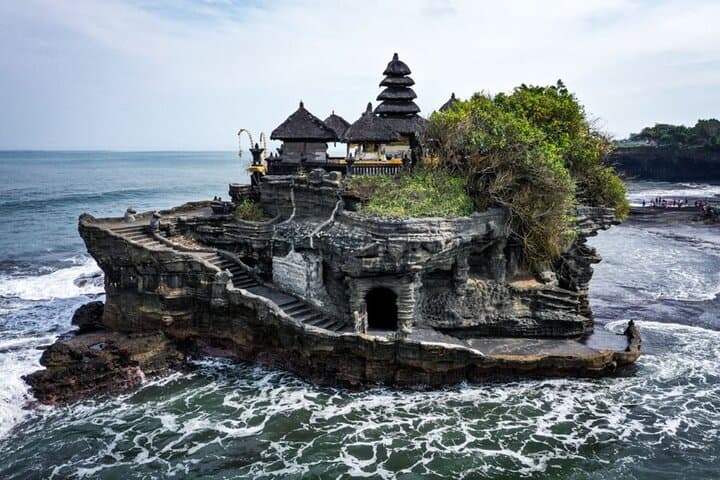
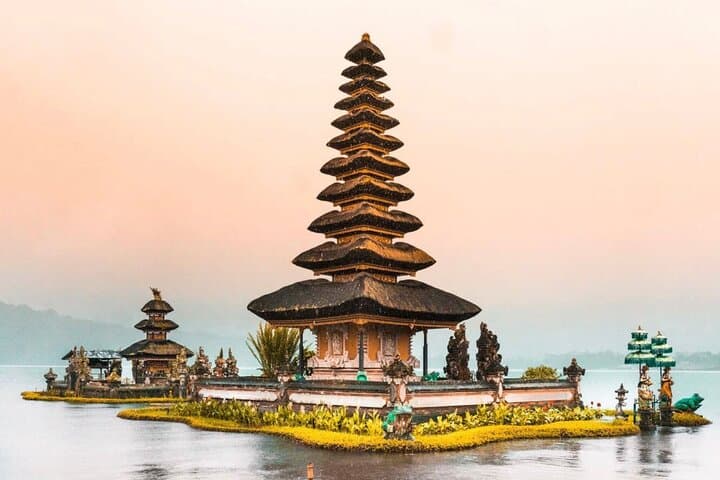
You step out of the air-conditioned car and the sea winds push a spray of salt across the rocks — Tanah Lot rises like a ritual, its silhouette carved against a bright sky. Later, the road climbs into green folds of terraced rice at Jatiluwih where water threads through stone walls and seems to deliberate before feeding the paddies. Inland, a cool mist hangs over Lake Beratan and Ulun Danu’s gates sit half-submerged, as if the lake itself keeps time.
Verified experiences and guided adventures in the surrounding area.
Operated by Bali Local Host · Bedugul, Bali
You step out of the air-conditioned car and the sea winds push a spray of salt across the rocks — Tanah Lot rises like a ritual, its silhouette carved against a bright sky. Later, the road climbs into green folds of terraced rice at Jatiluwih where water threads through stone walls and seems to deliberate before feeding the paddies. Inland, a cool mist hangs over Lake Beratan and Ulun Danu’s gates sit half-submerged, as if the lake itself keeps time.
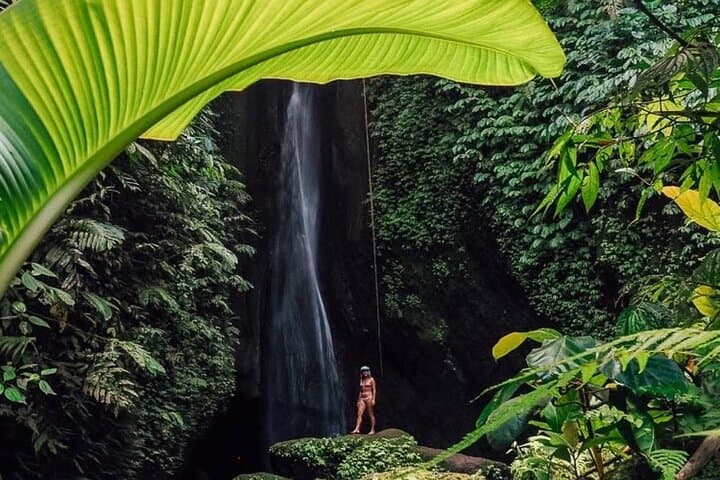
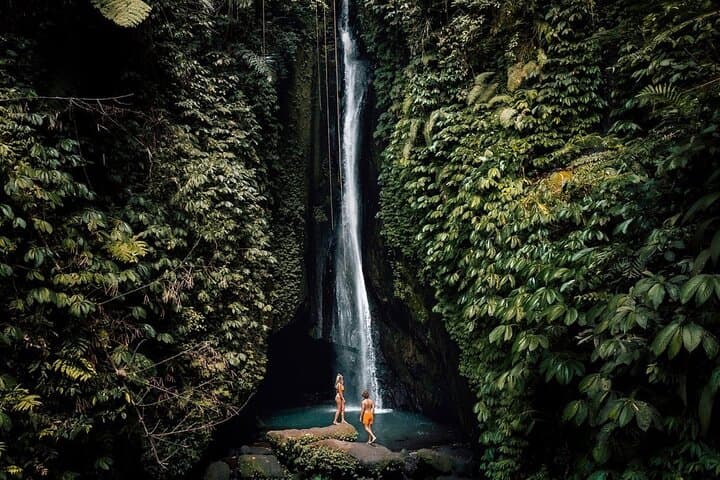
These stops trace centuries: Tanah Lot linked to the 15th-century priest Nirartha, Jatiluwih’s terraces are part of Bali’s UNESCO-listed Subak irrigation tradition, and Ulun Danu Beratan has long been a center of water cult worship. Geology here is volcanic—lava-formed coastlines and fertile volcanic soil feed the ricefields and waterfalls like Leke Leke, where streams have carved narrow plunges through basalt.
Expect a mix of coastal rock, stepped agricultural slopes, short rainforest trails and lakefront boardwalks. Cultural rules are straightforward: modest dress at temples and quiet respect during ceremonies. The private format means door-to-door transfers from Ubud or southern hotels, bottled water, and an English-speaking driver-guide, but entrance fees are typically out of pocket.
Practical edge: wear sturdy walking shoes that dry quickly, pack swimwear and a towel for Leke Leke, bring cash for small temples and local snacks, and schedule the trip outside mid-day heat or heavy rain. Hydrate before the Jatiluwih climbs; the Subak terraces are exposed and relentless under the sun. This eight-hour loop is approachable for most travelers and delivers a concentrated slice of northern Bali’s landscape, culture and geology.
easy.
8 hours.
Suitable for most fitness levels; involves short walks, a few steps and brief rainforest trails.
No; the tour typically covers transport and a driver-guide, but temple and attraction admissions are paid on-site by travelers.
Yes for confident swimmers; pools are shallow and natural, but currents and slippery rock require caution and supervision for children.
Private transfers normally pick up from hotels in Ubud or southern Bali; confirm your pickup point and time when booking.
Tipping is customary but discretionary—small appreciation for a good guide (cash) is appreciated and common.
Tanah Lot is associated with 15th-century Hindu priest Nirartha; Jatiluwih exemplifies Bali’s centuries-old Subak communal irrigation system recognized by UNESCO.
Visitors should stay on marked paths to protect rice terraces and shoreline habitats; support local guides and small warungs to circulate income through village communities.
Bali Local Host operates guided outdoor trips and adventures with an emphasis on safety, stewardship, and memorable experiences.
You step out of the air-conditioned car and the sea winds push a spray of salt across the rocks — Tanah Lot rises like a ritual, its silhouette carved against a bright sky. Later, the road climbs into green folds of terraced rice at Jatiluwih where water threads through stone walls and seems to deliberate before feeding the paddies. Inland, a cool mist hangs over Lake Beratan and Ulun Danu’s gates sit half-submerged, as if the lake itself keeps time.
You step out of the air-conditioned car and the sea winds push a spray of salt across the rocks — Tanah Lot rises like a ritual, its silhouette carved against a bright sky. Later, the road climbs into green folds of terraced rice at Jatiluwih where water threads through stone walls and seems to deliberate before feeding the paddies. Inland, a cool mist hangs over Lake Beratan and Ulun Danu’s gates sit half-submerged, as if the lake itself keeps time.
These stops trace centuries: Tanah Lot linked to the 15th-century priest Nirartha, Jatiluwih’s terraces are part of Bali’s UNESCO-listed Subak irrigation tradition, and Ulun Danu Beratan has long been a center of water cult worship. Geology here is volcanic—lava-formed coastlines and fertile volcanic soil feed the ricefields and waterfalls like Leke Leke, where streams have carved narrow plunges through basalt.
Expect a mix of coastal rock, stepped agricultural slopes, short rainforest trails and lakefront boardwalks. Cultural rules are straightforward: modest dress at temples and quiet respect during ceremonies. The private format means door-to-door transfers from Ubud or southern hotels, bottled water, and an English-speaking driver-guide, but entrance fees are typically out of pocket.
Practical edge: wear sturdy walking shoes that dry quickly, pack swimwear and a towel for Leke Leke, bring cash for small temples and local snacks, and schedule the trip outside mid-day heat or heavy rain. Hydrate before the Jatiluwih climbs; the Subak terraces are exposed and relentless under the sun. This eight-hour loop is approachable for most travelers and delivers a concentrated slice of northern Bali’s landscape, culture and geology.