THE ADVENTURE COLLECTIVE® · Independent discovery and booking for outdoor travel

See Bali’s highland highlights in a single day: UNESCO rice terraces, a floating temple on Lake Bratan, and a twin waterfall with a refreshing plunge. This practical guide outlines what to expect, what to pack, and how to make the most of a long but rewarding day.
See Bali’s highland highlights in a single day: UNESCO rice terraces, a floating temple on Lake Bratan, and a twin waterfall with a refreshing plunge. This practical guide outlines what to expect, what to pack, and how to make the most of a long but rewarding day.
A cool mist clings to the windshield as the minivan threads mountain roads toward Lake Bratan. By midmorning the air sharpens: terraced fields step down like folded green roofs, the Ulun Danu temple appears to float on a silver surface, and farther north the jungle lowers its voice into the roar of a twin waterfall.
Verified experiences and guided adventures in the surrounding area.
Operated by MyBaliTrips · Bedugul, Bali
A cool mist clings to the windshield as the minivan threads mountain roads toward Lake Bratan. By midmorning the air sharpens: terraced fields step down like folded green roofs, the Ulun Danu temple appears to float on a silver surface, and farther north the jungle lowers its voice into the roar of a twin waterfall.
This one-day circuit stitches together three distinct landscapes: the UNESCO-listed Jatiluwih rice terraces shaped by the centuries-old Subak irrigation system; the 17th‑century Pura Ulun Danu Bratan, a lakeside water temple dedicated to Dewi Danu; and the woodland gorge that feeds Banyumala Twin Waterfalls. Geologically the route runs along volcanic flanks and crater lakes—soil rich in volcanic ash makes the terraces explosively green, while narrow ravines carry clear, cool streams.
Culture and commerce are visible in the small roadside warungs selling kopi and handwoven sarongs; the Subak cooperative still governs water-sharing and rice schedules here. Conservation is active—the Jatiluwih landscape is protected under UNESCO for its communal irrigation and cultural landscape.
Practically: expect a long, guided day (10–12 hours) with multiple short walks—40 minutes at terraces, an hour at Ulun Danu, and a 20–40 minute trail to the waterfall basin with uneven, often slippery rock. Elevation around Bedugul is roughly 1,200 m, so mornings can be cool. Bring layered clothing, good traction shoes for the waterfall approach, sun protection for open viewpoints, and small bills for temple donations, parking and food. Start early to beat traffic, and plan for a full day of driving between stops.
easy.
10–12 hours.
Suitable for most fitness levels but expect a long day with multiple short walks; be comfortable standing and walking on uneven ground.
The tour runs about 10–12 hours; most operators pick up early morning (around 7:00–8:00) and return late afternoon or early evening.
This tour lists temple tickets and some admissions as included for specific sites, but confirm whether lunch and optional photo props at Wanagiri are covered before booking.
Yes—many visitors enter the pool, but conditions vary; check with your guide about currents, slippery access, and safety before swimming.
Generally yes—the itinerary is low-impact with short walks, but mobility-limited travelers should note steps and uneven trails at the waterfall and terraces.
Jatiluwih’s rice terraces are part of the Subak irrigation system recognized by UNESCO in 2012; Ulun Danu Bratan is a historic water temple complex tied to Balinese Hindu rituals for agriculture.
The Subak system is both cultural and ecological—stay on marked paths, avoid single-use plastics, and follow local guidance to reduce erosion and disturbance.
MyBaliTrips operates guided outdoor trips and adventures with an emphasis on safety, stewardship, and memorable experiences.
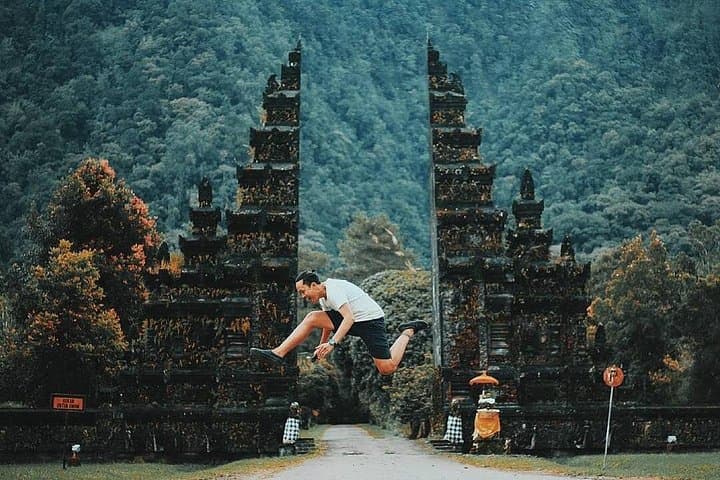
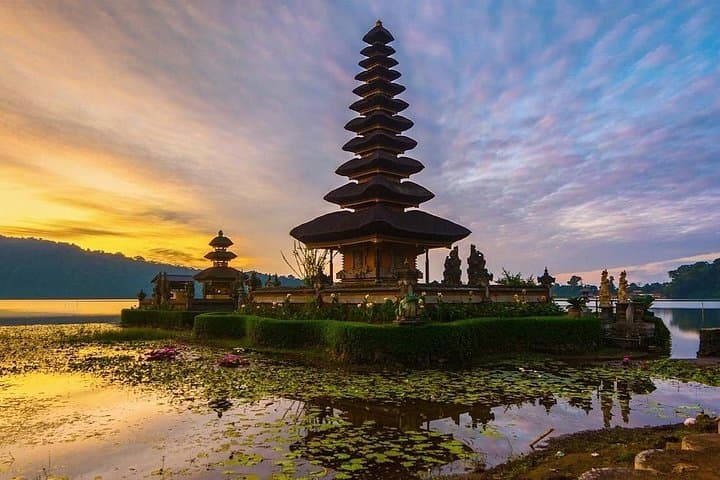
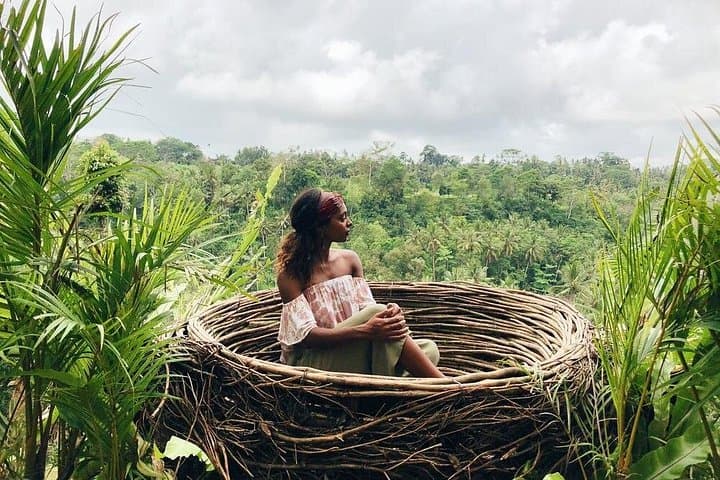

A cool mist clings to the windshield as the minivan threads mountain roads toward Lake Bratan. By midmorning the air sharpens: terraced fields step down like folded green roofs, the Ulun Danu temple appears to float on a silver surface, and farther north the jungle lowers its voice into the roar of a twin waterfall.
A cool mist clings to the windshield as the minivan threads mountain roads toward Lake Bratan. By midmorning the air sharpens: terraced fields step down like folded green roofs, the Ulun Danu temple appears to float on a silver surface, and farther north the jungle lowers its voice into the roar of a twin waterfall.
This one-day circuit stitches together three distinct landscapes: the UNESCO-listed Jatiluwih rice terraces shaped by the centuries-old Subak irrigation system; the 17th‑century Pura Ulun Danu Bratan, a lakeside water temple dedicated to Dewi Danu; and the woodland gorge that feeds Banyumala Twin Waterfalls. Geologically the route runs along volcanic flanks and crater lakes—soil rich in volcanic ash makes the terraces explosively green, while narrow ravines carry clear, cool streams.
Culture and commerce are visible in the small roadside warungs selling kopi and handwoven sarongs; the Subak cooperative still governs water-sharing and rice schedules here. Conservation is active—the Jatiluwih landscape is protected under UNESCO for its communal irrigation and cultural landscape.
Practically: expect a long, guided day (10–12 hours) with multiple short walks—40 minutes at terraces, an hour at Ulun Danu, and a 20–40 minute trail to the waterfall basin with uneven, often slippery rock. Elevation around Bedugul is roughly 1,200 m, so mornings can be cool. Bring layered clothing, good traction shoes for the waterfall approach, sun protection for open viewpoints, and small bills for temple donations, parking and food. Start early to beat traffic, and plan for a full day of driving between stops.